The Hidden Legacy of the Treaty of Guadalupe Hidalgo: 7 States Born from War
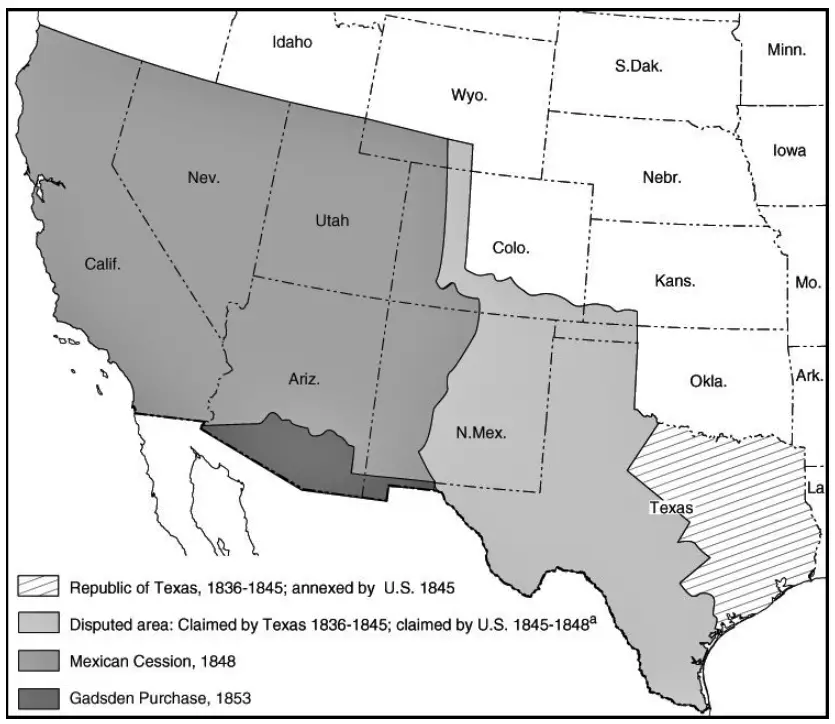
Imagine a vast land of mountains, deserts, and rivers. This land stretched from the Rocky Mountains to the Pacific Ocean. It belonged to Mexico. Then, in 1848, everything changed. The Treaty of Guadalupe Hidalgo ended the Mexican-American War. It gave the United States a huge chunk of the West. This included Colorado, Texas, New Mexico, Arizona, Nevada, Utah, and California. The deal cost the US $15 million. That is over $500 million in today’s money. This treaty shaped Western expansion. It opened doors for settlers, miners, and dreamers. But it came from a bitter war.
Key Points
- War’s Spark: The Mexican-American War started in 1846 over Texas. Mexico saw Texas as its land. The US wanted it for growth.
- Key Battle: At the Alamo in 1836, 200 Texan fighters died. Their cry “Remember the Alamo!” fueled the fight.
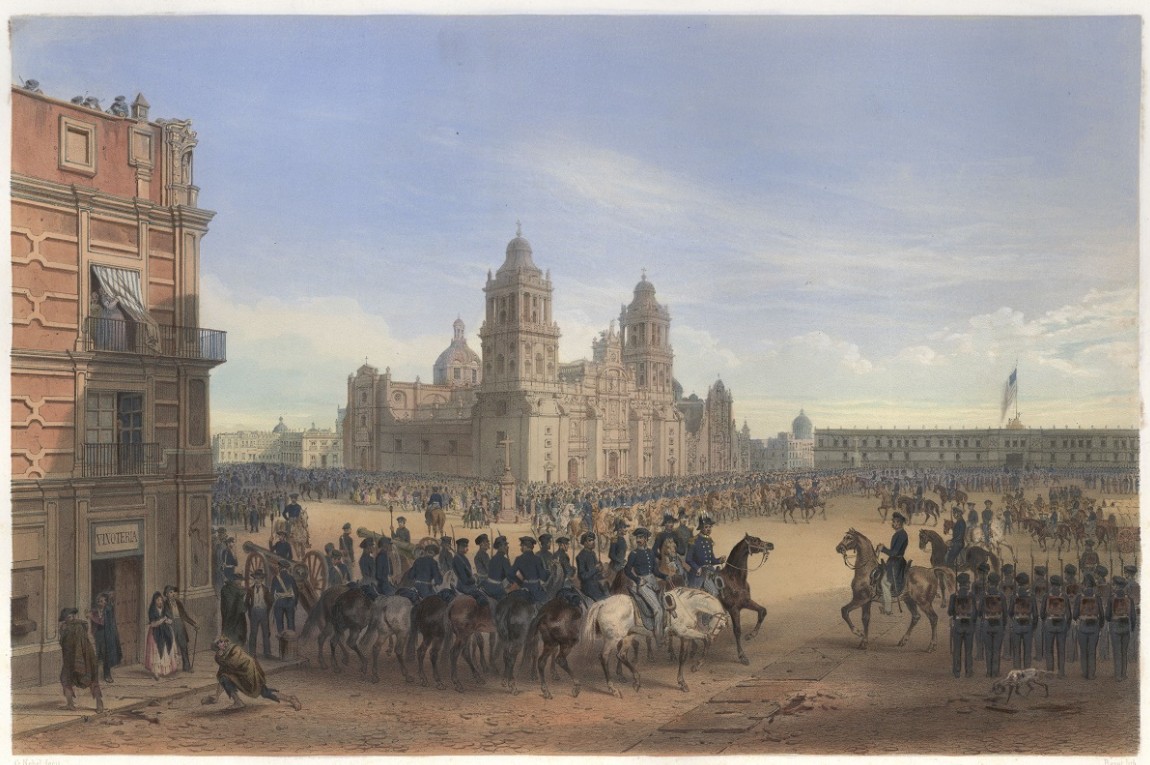
- Treaty Signed: On February 2, 1848, in a village near Mexico City. It ended the war after US troops took the capital.
- Land Gained: Over 500,000 square miles. That’s bigger than France, Spain, and Germany combined.
- Cost and Claims: US paid $15 million and settled $3.25 million in Mexican debts.
- Gold Rush Tie: Gold was found in California just nine days before the treaty. It drew thousands west.
- Lasting Impact: Created seven US states. Changed Native American lives and boosted railroads.
Roots of the Mexican-American War
Mexico’s hold on the Western North America began long ago. Spain claimed it in the 1500s. They built missions and towns. By the 1800s, Mexico won freedom from Spain. But the young United States looked west. In 1803, President Thomas Jefferson bought Louisiana from France. This doubled the size of the US. It pushed the borders of the US toward Mexico.
Settlers poured in. Many went to Texas. Mexico welcomed them at first. But rules clashed. Texans wanted slavery. Mexico banned it. Tensions grew. In 1836, Texas broke away. The Battle of the Alamo became legend. Mexican General Santa Anna led 1,800 troops. They killed all the defenders at the Alamo, including Davy Crockett. This loss united Texans. They won independence later that year.
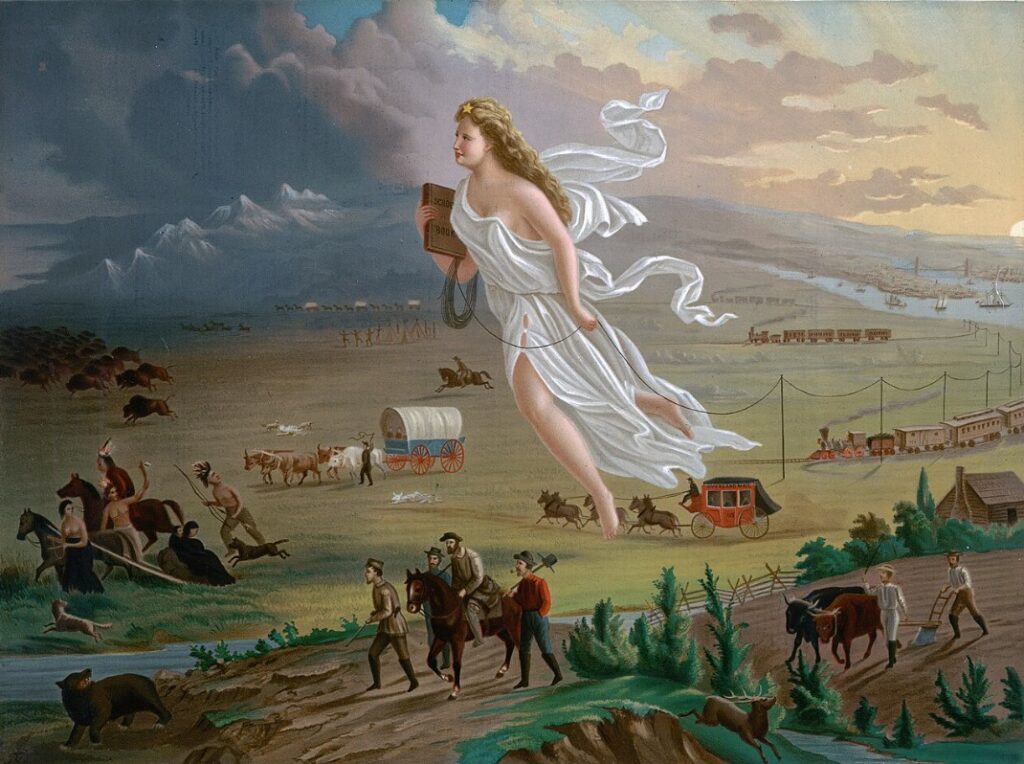
The US annexed Texas in 1845. Mexico saw this as theft and border fights erupted. In 1846, US troops clashed with Mexicans near the Rio Grande. Eleven Americans died. President James Polk used this to declare war. He believed in “Manifest Destiny.” This idea said the US should span the continent from the Atlantic to the Pacific.
The Secret Negotiation of Nicholas Trist
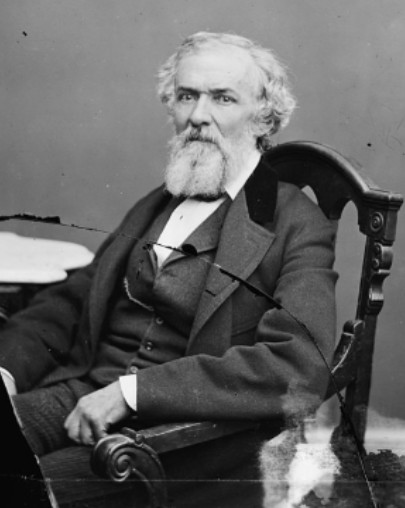
One of the most incredible stories behind the Treaty of Guadalupe Hidalgo involves a man named Nicholas Trist. President James K. Polk sent Trist to Mexico to talk about peace terms. However, as the war dragged on, the President became impatient. He sent a letter to Trist ordering him to stop talking and come home immediately.
Trist did something that took a lot of courage. He chose to disobey the President. He believed that if he left, the window for peace would close and more people would die in battle. He stayed in Mexico in secret and finished writing the Treaty of Guadalupe Hidalgo. He made sure the U.S. got the land it wanted. He also insisted that Mexico be paid $15 million for the land. When Trist finally returned to Washington, D.C., the President was so angry that he fired him! It took many years for the government to finally pay Trist for his hard work, but his “secret” treaty became the foundation of the Western US.
The Birth of the “Centennial State”
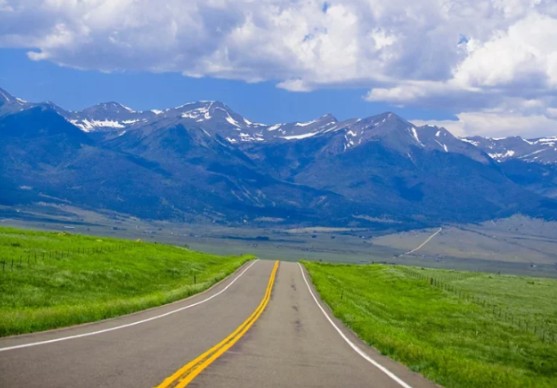
The Treaty of Guadalupe Hidalgo had an immediate and important impact on the territory of Colorado. Before 1848, only the northeastern part of Colorado was part of the U.S., thanks to the Louisiana Purchase. The rest, including the towering peaks of the Rocky Mountains and the San Luis Valley, was still Mexican territory.
When the treaty was signed, these lands officially became part of the United States. This opened the door for pioneers and families to move into the mountains. In southern Colorado, many families lived on “Spanish Land Grants” given by the Mexican government. The Treaty of Guadalupe Hidalgo promised that the U.S. would protect the property of these families. However, many landowners spent decades in court trying to keep their homes. Towns like San Luis, which is now the oldest town in Colorado, are living reminders of this complex history.
For more on the settling of Colorado, see this article.
A Golden Timing for the United States
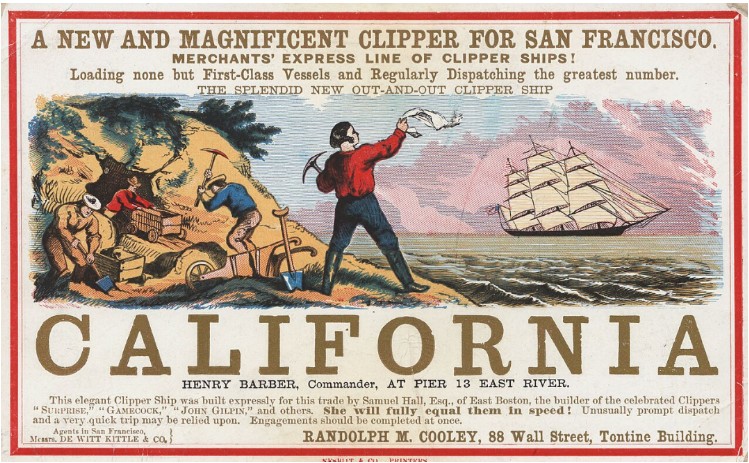
The timing of the Treaty of Guadalupe Hidalgo changed history in a significant way. Only nine days before the treaty was signed in 1848, gold was found in a river in California. Because the treaty was signed shortly after, California was now officially part of the United States.
If the news of the gold had reached Mexico sooner, they might never have signed the treaty at all. Instead, the “Gold Rush” began under the American flag. This brought hundreds of thousands of people across the land that was part of the Treaty of Guadalupe Hidalgo. They built trails and new mining towns in the mountains. The treaty didn’t just add land, it added the wealth that helped the United States become a global power.
Echoes of the Past
The Treaty of Guadalupe Hidalgo changed the map forever. It fueled Western expansion. Railroads linked coasts. Mines boomed in Colorado and Nevada. Cities like Denver and Los Angeles grew. This deal shaped the Intermountain West. Colorado’s gold rush started in 1858. It drew settlers. Mormons found a home in Utah’s mountains.
Today, the treaty’s legacy lives in borders and cultures. Spanish names dot maps. Festivals celebrate shared history. It reminds us how war built the nation. The American West grew from conflict. Yet it became a place of opportunity. From Colorado’s peaks to California’s shores, this story ties the region together. It shows how one agreement shaped a continent’s fate.
More details about the Treaty of Guadalupe Hidalgo can be found here.

Discover more from TheCuriousOnlooker
Subscribe to get the latest posts sent to your email.