The Forgotten Story of Esther Hobart Morris: Wyoming’s Bold First
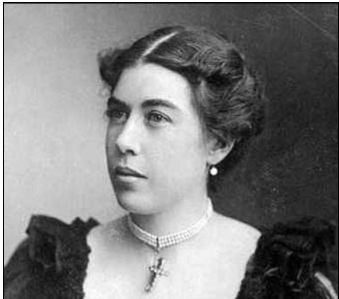
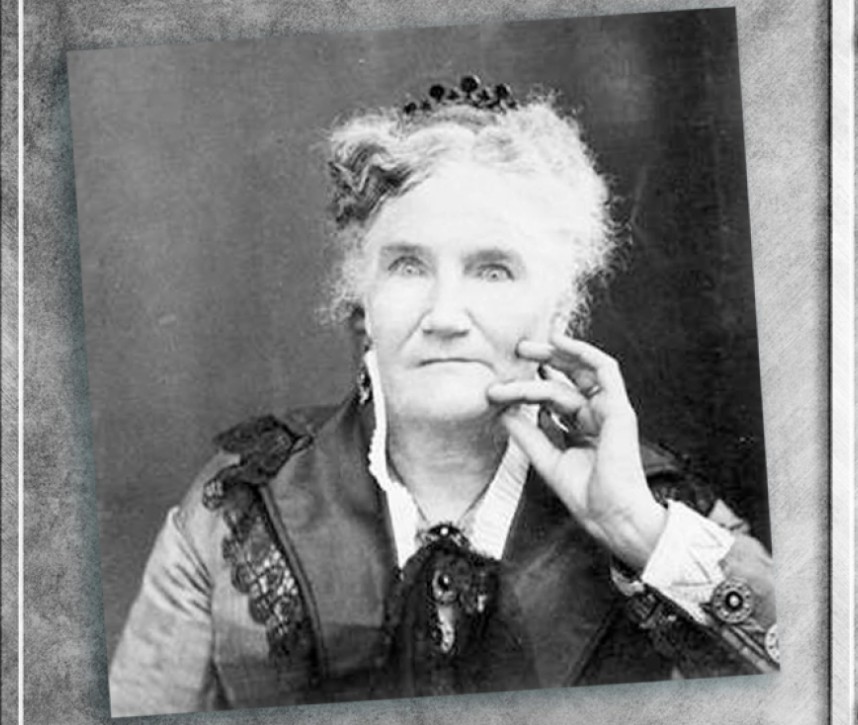
Esther Hobart Morris lived in a rough mining town in Wyoming at a time when women were expected to stay quiet and remain at home. Still, in 1870, Esther Hobart Morris became the first woman in the United States to serve as a justice of the peace. Her appointment shocked many people across America. Newspapers wrote about her. Critics doubted her. But Morris proved that women could serve in public office just as well as men. Her story helped turn Wyoming into one of the most important places in the history of women’s rights in the American West.
Table of Contents
From New York Seamstress to Western Pioneer
Esther Hobart Morris was born near Spencer, New York, in 1814. Her mother died when she was young. She later learned to work as a seamstress and hat maker. Life was not easy for Esther. She married a civil engineer named Artemus Slack, but he died only a few years later. Esther was left to raise her son by herself.
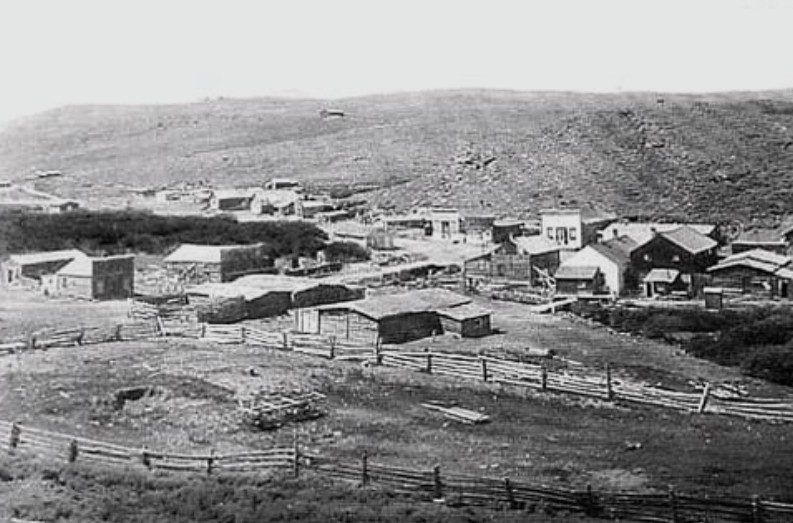
Later, she married John Morris and moved west with her family. In 1869, they traveled to South Pass City, Wyoming Territory. The town sat high in the mountains near gold mines. Thousands of people had rushed there hoping to become rich. Most never did.
South Pass City was rough and noisy. There were many saloons, gambling halls, and mining camps. The Morris family lived in a small log cabin with a dirt floor and sod roof. Esther was already in her fifties when she arrived. Even so, she quickly became interested in the political debates happening in the territory.
Esther Hobart Morris and Women’s Suffrage
The Wyoming Territory made history in December 1869 when it gave women the right to vote. It was the first territory or state in America to do so. Some leaders supported the law because they believed in equal rights. Others thought the law would bring attention and settlers to Wyoming.
Esther Hobart Morris strongly supported women’s suffrage. Many stories claim she held tea parties in South Pass City to convince lawmakers to support the idea. Historians still debate exactly how much influence she had. Even so, Morris became closely tied to Wyoming’s early women’s rights movement.
Only two months after women won voting rights in Wyoming, an unexpected event changed Esther’s life forever. A local justice of the peace resigned in protest because women could now vote and hold office. County leaders needed a replacement. On February 14, 1870, they appointed Esther Hobart Morris to the job. (The National Park Service has more details about Esther Hobart Morris.)
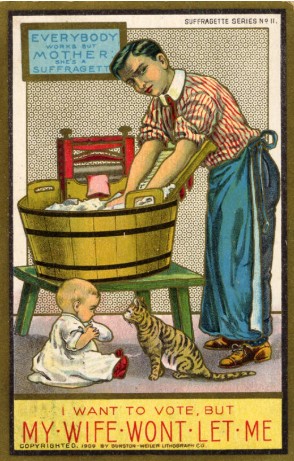
(US National Park Service)
The First Woman Judge in America
Esther’s appointment made headlines across the nation. Many people believed a woman could not handle court cases. Some expected Morris to fail quickly.
Instead, she impressed nearly everyone who appeared before her court. Esther Hobart Morris handled civil disputes, criminal matters, warrants, and legal records in South Pass City. During her time in office, she heard dozens of cases. Only a small number of her decisions were appealed, and higher courts upheld them.
One famous story says her own husband caused trouble in her courtroom. According to local accounts, John Morris loudly objected to her authority. Esther reportedly ordered him jailed for disturbing the court! Whether every detail is true or not, the story spread widely and added to her growing legend.
Morris served for a little more than eight months. She hoped to continue in office, but political parties refused to nominate her for another term. Even so, she had already changed American history.
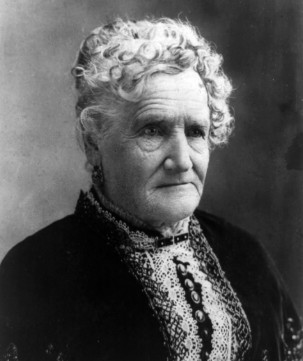
Photo: Wikimedia Commons
A Symbol of Wyoming’s Independent Spirit
After leaving South Pass City, Esther Hobart Morris continued supporting women’s rights. She attended national suffrage meetings and spoke publicly about equal rights for women. By the late 1800s, she had become one of Wyoming’s best-known citizens.
Wyoming proudly embraced its image as the “Equality State.” The territory refused to give up women’s voting rights even when Congress questioned the policy before the territory became a state. When Wyoming entered the Union in 1890, equal voting rights for women remained part of its constitution.
Morris lived long enough to see her own fame grow. She attended state celebrations and became an honored guest at public events. In 1960, Wyoming placed a statue of Esther Hobart Morris in the United States Capitol in Washington, D.C. The statue still stands in the Hall of Columns today. (* This is another story about Wyoming’s independent spirit and its early support of women.)
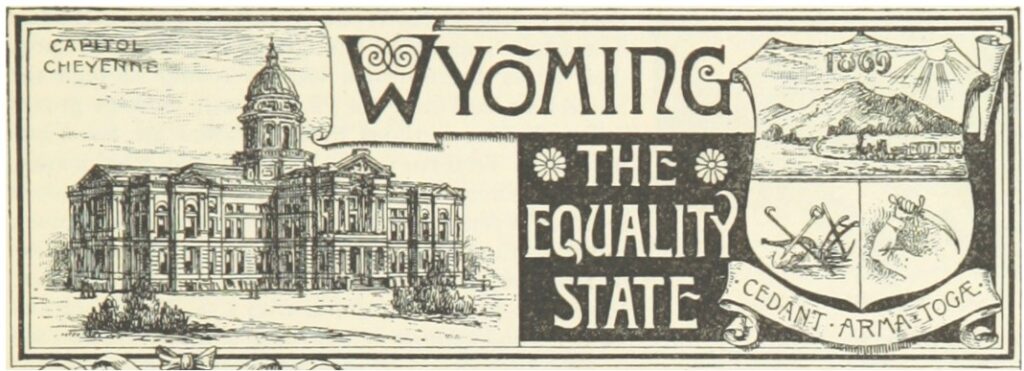
Photo: Wikimedia Commons
Why Esther Hobart Morris Still Matters
The story of Esther Hobart Morris is larger than one court case or one mining town. Her life showed that the American West was sometimes more open to change than the older, more established cities in America. Wyoming’s frontier towns could be harsh and dangerous, but they also gave people opportunities that did not exist elsewhere.
Today, Morris is remembered as a pioneer for women in government and law. She became the first woman judge in America. It was decades before women gained the right to vote nationwide in 1920. Her work helped inspire future generations of women to become lawyers, judges, governors, and lawmakers.
Visitors can still explore South Pass City, where wooden buildings and dusty streets help bring her world back to life. The quiet mining town now stands as a reminder that major moments in American history do not always happen in large cities. Sometimes they happen in small frontier camps high in the Wyoming mountains.
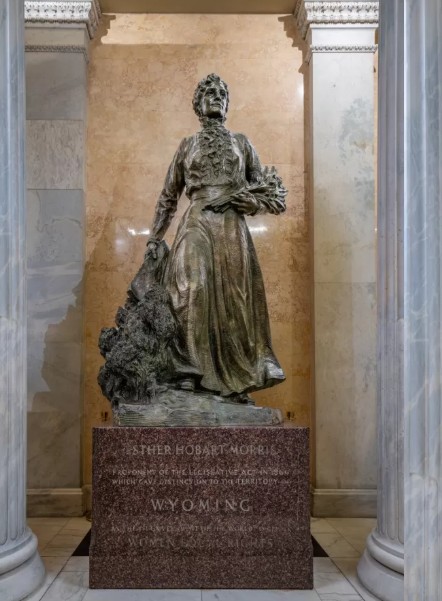
US Capitol – Hall of Columns
Discover more from TheCuriousOnlooker
Subscribe to get the latest posts sent to your email.