
Why are Joshua Trees in Nevada so mysterious?
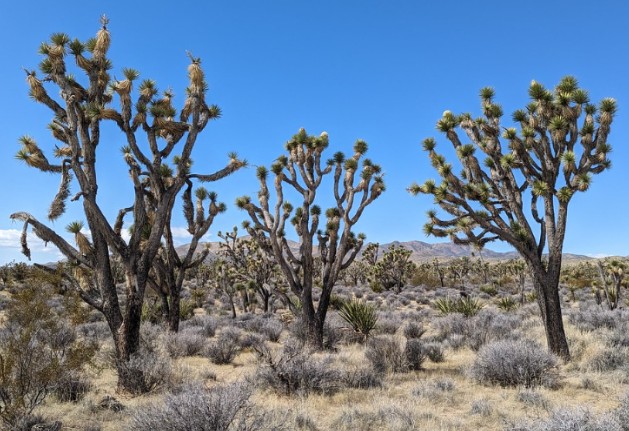
Joshua trees in Nevada are flowering yucca plants that grow in the Mojave Desert, especially across southern Nevada. Their stiff leaves, twisted branches, and pale spring flowers make Nevada Joshua tree forests look unlike ordinary woods. Some Joshua trees stand only a few feet tall. Others only rise to about 40 feet. Near Searchlight, Pahrump, and the Wee Thump Joshua Tree Wilderness, these slow-growing desert plants create a scene that feels both strange and ancient. Nevada Joshua trees are also fragile survivors.
Key Takeaways
- Joshua trees are flowering yucca plants that thrive in the Mojave Desert of southern Nevada.
- Some Nevada Joshua trees may live for hundreds of years and do not have traditional growth rings.
- Joshua tree flowers depend on yucca moths for pollination and seed production.
- Visitors can see Joshua trees at places such as Wee Thump Joshua Tree Wilderness and along Nevada State Route 164 near Searchlight.
- Nevada’s Joshua tree forests are vulnerable to hotter conditions, drought, invasive grasses, and wildfire.
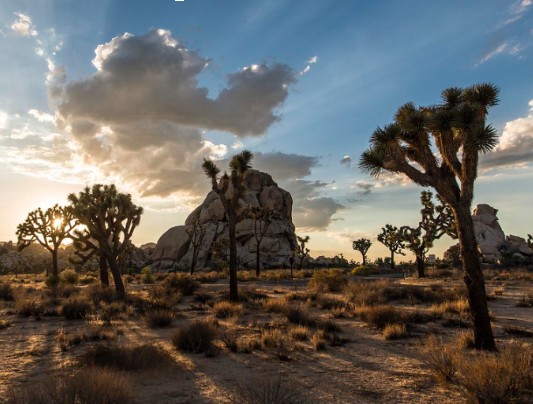
Photo – Christopher Michel
Where to see Joshua Trees in Nevada
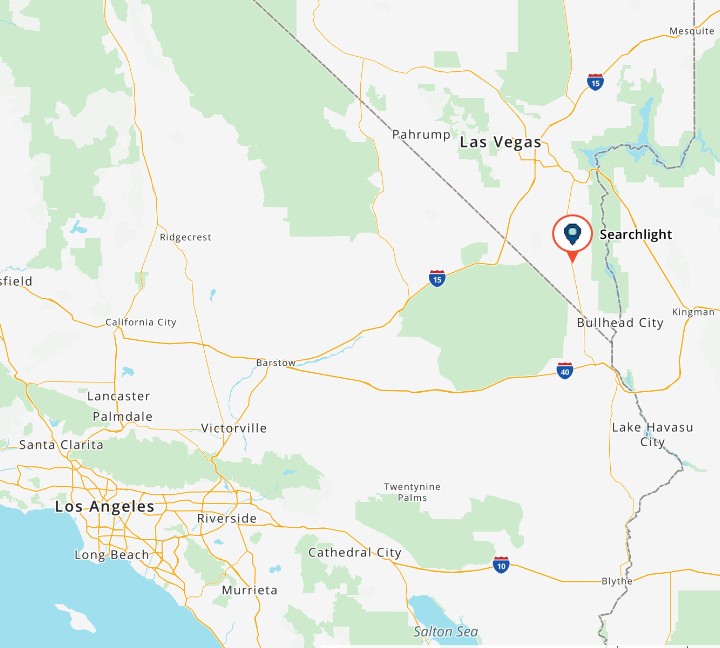
In Nevada, you can find them in places like the Wee Thump Joshua Tree Wilderness and the Desert National Wildlife Refuge. The road to the small town of Pahrump passes through a thick forest of them. The Joshua Tree Highway (Nevada State Route 164), near Searchlight, is another good place to find them. Here, the Joshua Trees grow in thick groups across the desert floor.
Map – Mapquest.com
The strange botany of Joshua Trees
Joshua Trees grow very slowly. In their first 10 years, they may grow just a few inches. After that, they grow about three inches a year. Unlike many trees, they do not have growth rings. Instead, scientists look at their height and branches to estimate their age. Some Joshua Trees in Nevada may be hundreds of years old. Their flowers are pale and waxy. They bloom in springtime, but only if the winter has been cold enough. The blossoms depend on a special moth called the Yucca Moth. Without this moth, the flowers would never turn into seed pods. Plants and insects need each other to survive.
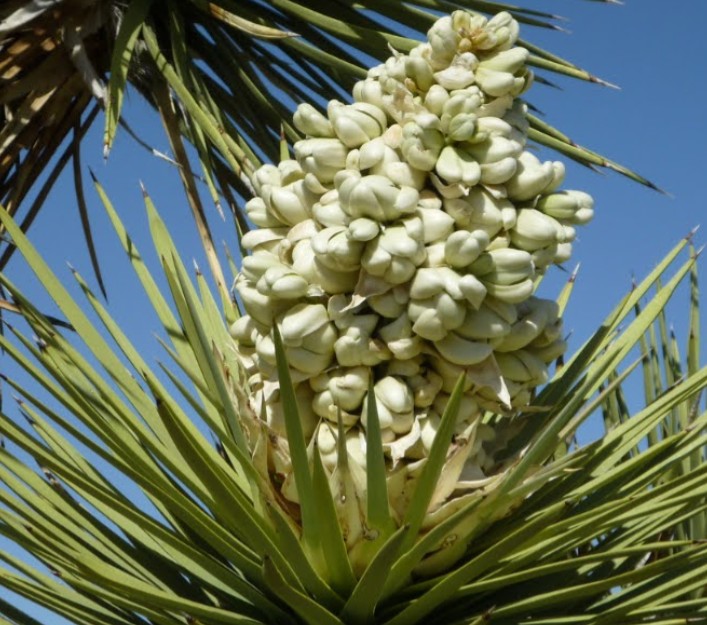
Photo – Bill Petersen
A landscape shaped by climate
Joshua trees in Nevada forests show signs of climate change. Scientists estimate that thousands of years ago, these plants grew in places much cooler and wetter than today. As the Earth warmed, the Joshua Trees moved higher and farther north. Today, they survive in the driest deserts of North America. Scientists worry about the future of Nevada’s Joshua Trees. If the desert gets hotter, the young Joshua Trees might not survive. Fires are also a danger to them. Unlike many desert plants, Joshua Trees do not grow back easily after being burned in fires. This makes Nevada’s Joshua Tree forests precious and fragile.
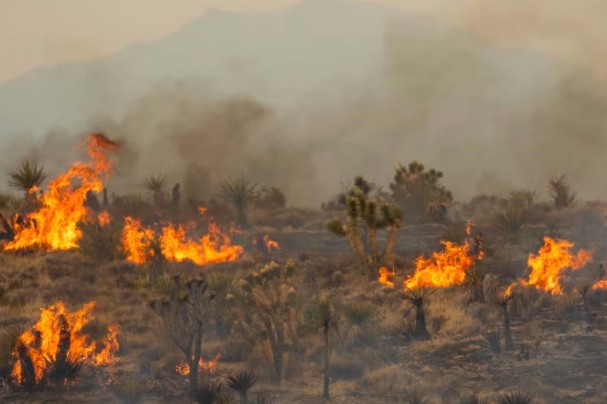
Joshua Trees and the Long Story of the West
Joshua Trees in Nevada tell a larger American West story because land, climate, animals, and people have always shaped one another. The Mojave Desert holds a record of colder ages, Native knowledge, insect pollination, and modern concern about wildfire and warming. A visit to a Nevada Joshua tree forest near Searchlight or the Wee Thump Joshua Tree Wilderness is more than a chance to see an unusual plant. Joshua trees show how much natural history can stand quietly on a dry hillside.
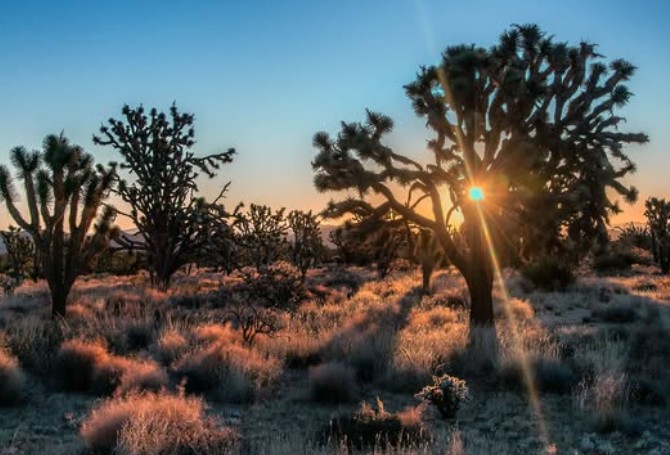
Photo: Kurt Kuznicki
- If you’re curious, here are more articles about interesting people, places, and things in Nevada.
Discover more from TheCuriousOnlooker
Subscribe to get the latest posts sent to your email.

I drove through Mojave National Preserve (from 1-15/Nipton Rd to 29 Palms) before and after the recent wild fire. It was very sad. Where there was a beautiful Joshua tree forest, there was literally nothing left; the forest was completely destroyed and was not show signs of recovery. Hopefully with time it will come back.
Thanks for the comment, Paul. I know what you mean. Linda and I drove through that area too. The wildfire devastation was…sad. Where the Joshua Trees are from the Agave family, it’s definitely going to take a lot of time for any regrowth to happen.