
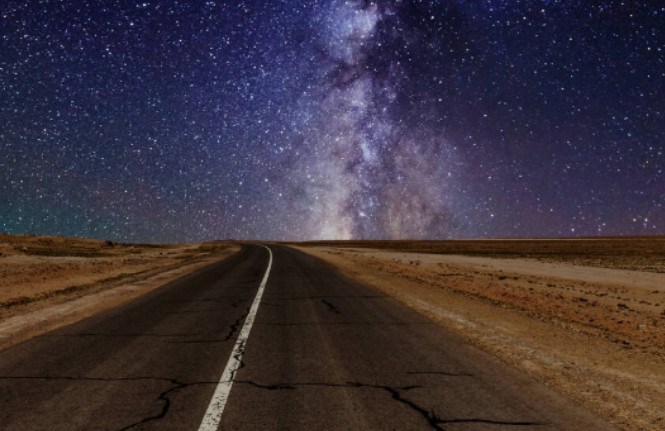
Who became Nevada’s legendary late-night voice?
Art Bell was the Nevada radio host who made Coast to Coast AM one of North America’s best-known late-night talk shows. From a home studio in Pahrump, Art spoke with callers about UFOs, ghosts, strange events, and unexplained science. He did not need a major city studio to reach millions of people. Art’s calm voice, patient questions, and open phone lines made the Nevada desert an important place in radio history.
Key Takeaways
- Art Bell built his legendary late-night radio career from Pahrump, Nevada.
- He launched West Coast AM in 1986 and renamed it Coast to Coast AM in 1993.
- Bell became famous for exploring UFO sightings, ghost stories, strange events, mysteries, and unexplained science.
- Broadcasting from the Nevada desert, Bell turned a regional radio program into a nationally syndicated show with millions of listeners.
- Bell changed late-night talk radio by welcoming ordinary callers and giving unusual ideas and personal experiences a national audience.
How Did Art Bell’s Early Life Lead Him to Radio?
Art Bell was born in North Carolina in 1945. As a boy, he loved radios. He built small radios and listened to stations far away. This early hobby became an important part of his future. As a young man, Art joined the U.S. Air Force. While in the Air Force, he became a radio technician. He learned to repair equipment and learned how far radio signals could travel across great distances. What Art learned also helped him think of having his own radio show someday.
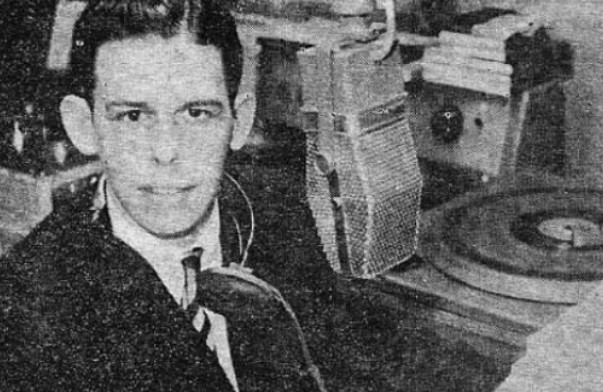
Photo: IMDB
Why Did Art Bell Move to Pahrump, Nevada?
In the 1980s, Art moved to Pahrump, a small town in Southern Nevada. He wanted a place where he could set up a powerful radio station on his own property. Laws in Nevada made it easier for Art to work with a minimum amount of government hassles. Pahrump was the kind of town that respected Art’s privacy. It was “out in the desert,” but still only about an hour away from Las Vegas.
Pahrump gave Art more than space for antennas and equipment. The Nevada desert added a sense of mystery to Art Bell’s broadcasts. Secret military bases, wide empty land, dark skies, and stories from the American West gave callers a lot to discuss. Art made Pahrump part of the program’s identity. Listeners could picture Art speaking from a quiet desert studio while callers described lights in the sky, ghostly events, and other unusual experiences.
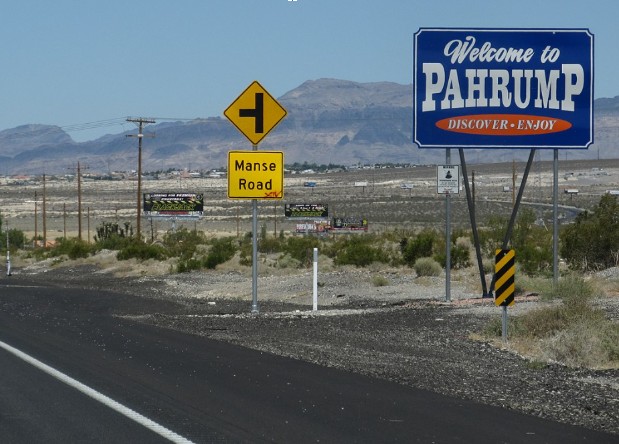
Photo: Wikimedia Commons
How Did Art Bell Create Coast to Coast AM?
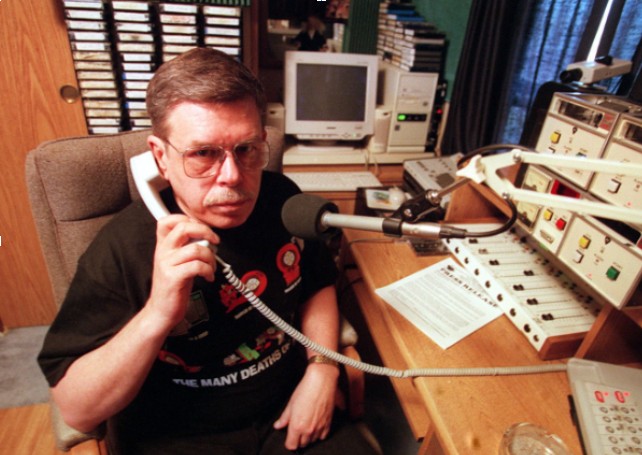
In 1986, Art made his dream become reality. He started a late-night radio show called: West Coast AM. The topics he covered included strange events, UFO sightings, ghost stories, and unexplained science. His listeners included truck drivers, night-shift workers, curious thinkers and people that couldn’t sleep. Art’s listeners knew Nevada and the American West was full of mysteries. There were secret military bases, vast empty lands, and clear desert skies. These places inspired callers to share strange things they had seen and experienced. Art welcomed them. His listeners came to trust his calm voice and simple questions.
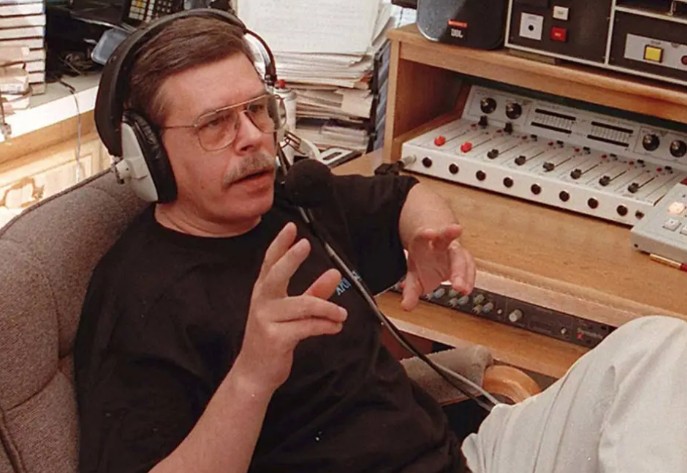
Photo: Las Vegas Review-Journal
Art’s early shows transmitted from his studio in Pahrump to a 50,000-watt clear channel station in Las Vegas: KDWN-AM 720. With that strong power behind his audio, Art’s program could be heard for hundreds of miles into the night. The show became very successful. In 1993, Art changed the name of the show to Coast to Coast AM. A national media company offered to broadcast Art’s show nationally. Soon hundreds of stations transmitted Art’s late-night show across the US and Canada. Later, the Internet and the Worldwide Web carried his shows to listeners around the world.
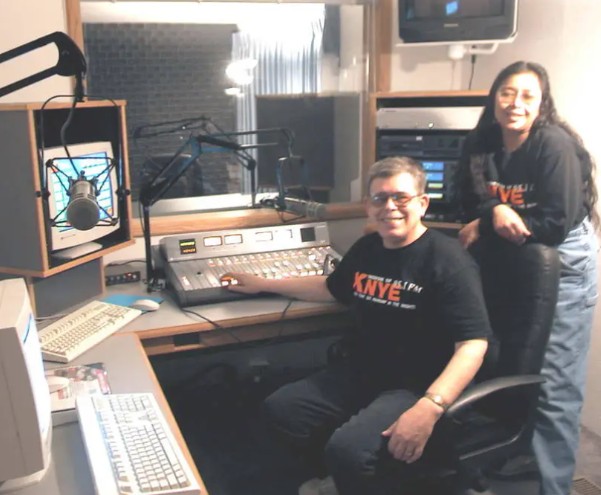
Photo: Las Vegas Review-Journal
What Made Art Bell Different From Other Radio Hosts?
Art Bell changed late-night talk radio by treating ordinary callers as an important part of the show. Many radio programs depended on famous guests, political arguments, or fast-moving jokes. Art Bell made room for people with strange stories and unusual beliefs. Art Bell did not promise that every story was true. Instead, Art Bell showed curiosity and let listeners decide what they thought. That approach gave Coast to Coast AM a quiet and unusual tone.
Art also proved that an influential radio program could come from rural Nevada rather than New York, Los Angeles, or another major media center. His studio in Pahrump became one of the best-known broadcast locations in American radio. Coast to Coast AM brought attention to the mysteries often linked with Nevada and the American West. Art made listeners feel that a distant desert town could sit at the center of a national conversation.
Photo: Fred Jorgensen
Art Bell’s Desert Signal Still Shapes Late-Night Radio Today
The legacy of Art Bell is tied strongly to Nevada and to radio broadcasting. He reached millions of listeners, not just in America but also around the world. Art proved that a radio voice did not need a big city or a major network studio. Under Nevada’s late-night sky, Art helped shape the calm, curious tone that made his broadcasts famous. Art changed late-night talk forever. He trusted callers to the show. He let ordinary people share strange ideas without judgement. He showed that curiosity could unite millions of listeners across long distances. Art turned the Nevada desert into one of the most influential broadcast locations in American radio history.
- If you’re curious, here are more articles about interesting people, places, and things in Nevada.
Discover more from TheCuriousOnlooker
Subscribe to get the latest posts sent to your email.
I was one of Art’s biggest fans. The fact he did not judge or argue endeared him to me even more. C2C has more conspiracies come to fruition than any other out-of-the-box radio programs. George Noory is trying to fill his shoes.
I can remember more than once traveling south from Salt Lake City to Southern California in the middle of the night and hearing Art on Coast to Coast AM. Ocassionally, I’d be driving in the middle of the night across Nevada over to the Bay Area. Hearing Art on the radio was like hearing the voice of a friend. You’re right about George Noory….and filling Art’s shoes. I think George does a good job too.