Hadji Ali: The Arizona Camel Driver Who Became Hi Jolly
Hadji Ali, also known as Hi Jolly, helped lead the U.S. Army’s camel experiment across the American Southwest. He came from the Ottoman Empire and joined the Army’s unusual camel project in the 1850s. Soon, he was guiding camels through deserts, mountains, and dry country. The camels could carry heavy loads and go long distances without water. Still, the strange Army plan did not last. Hadji Ali did. He stayed in the West, worked for decades, married, raised a family, mined, scouted, and became part of Arizona legend.
Key Takeaways
- Hadji Ali, better known as Hi Jolly, helped the U.S. Army test camels in the American Southwest.
- His exact origins remain uncertain. Historical records connect him with the Ottoman Empire and several different names.
- Camels performed well in difficult desert travel, but the Army never made them a permanent transport force.
- After the camel experiment, Hadji Ali remained in Arizona as a packer, scout, miner, husband, father, and citizen.
- His camel-topped monument in Quartzsite keeps both the man and the experiment in public memory.
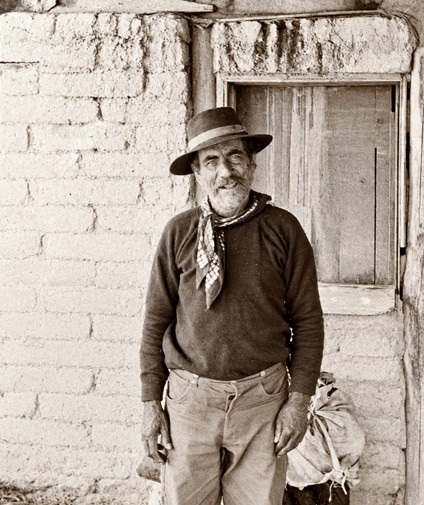
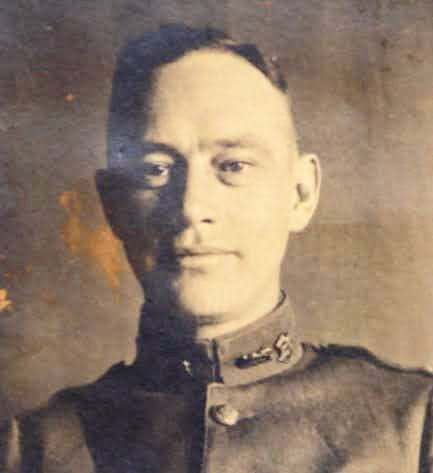
Photo – Arizona Historical Society
Hadji Ali Before Arizona
Hadji Ali was born around 1828 in the Ottoman Empire, probably near Smyrna (what is now İzmir, Turkey). His early life is not fully clear. Records and later stories give different accounts of his parents, birthplace, faith, and original name. Some sources call him Philip Tedro. Others describe him as Syrian, Greek, Arab, or Turkish. Even Arizona historians have noted that the full story may never be known.
What is clearer is that Hadji Ali knew camels well. He also made the Muslim pilgrimage to Mecca. (Muslim men who complete the pilgrimage to Mecca are called “Hajj” or “Hadji”.) In 1855, American agents started to buy camels around the Mediterranean for the U.S. Army. They also needed skilled men who could handle the camels. Hadji Ali joined the project and came to the United States. American soldiers had trouble saying his name. “Hadji Ali” slowly became “Hi Jolly.” That is the nickname that followed him across the West. The different names he had reflected a life lived between several cultures and countries.
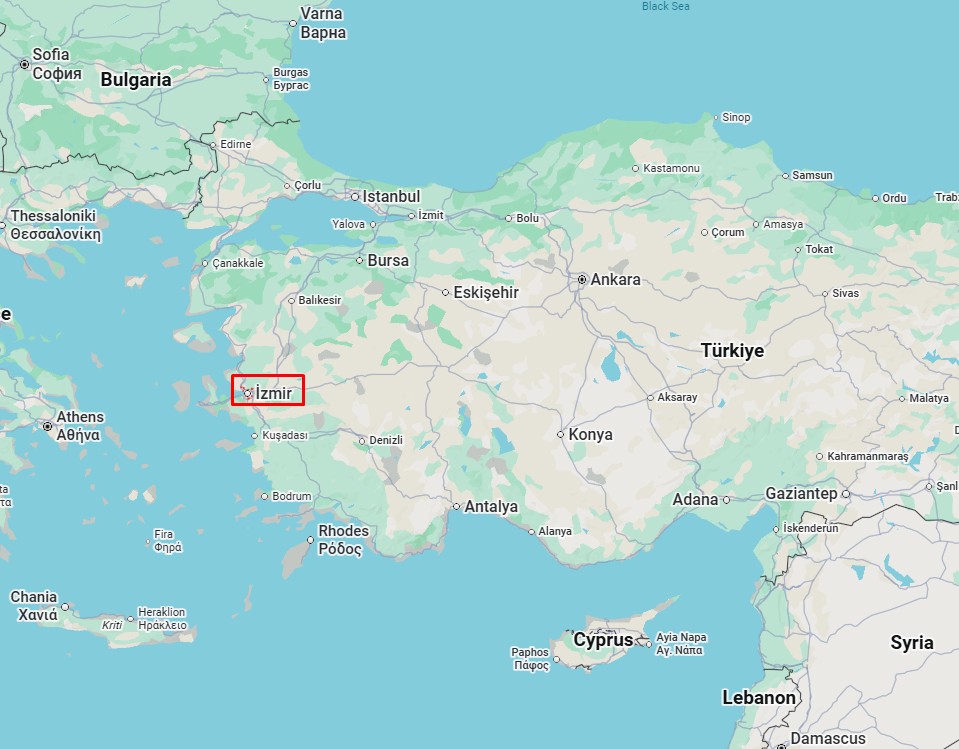
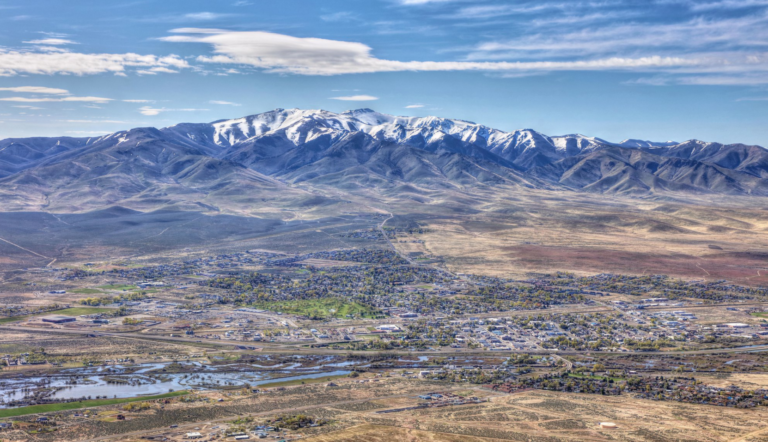
Map: Google Maps
Hi Jolly and the U.S. Camel Corps
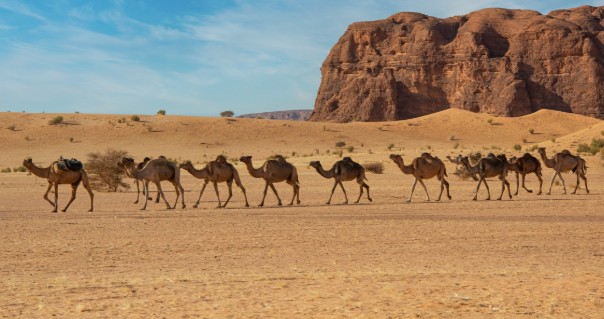
Hi Jolly became one of the best-known handlers in the U.S. Army camel experiment. The Army wanted to learn whether camels could carry supplies across the dry Southwest. In 1857, explorer Edward Fitzgerald Beale led a wagon-road survey west from Camp Verde, Texas. Twenty-five camels traveled with his party, along with mules, wagons, sheep, and men.
The journey tested both animals and people. The route crossed New Mexico and Arizona through rough, waterless country. At first, Edward Fitzgerald Beale doubted the camels. Soon, he changed his mind. They kept pace, carried heavy loads, and handled dry stretches better than mules. During one hard period near present-day Winslow, Arizona, the mules suffered badly from thirst while the camels stayed calm and browsed on plants. Hi Jolly helped manage the unfamiliar animals. The experiment showed that camels could work in the Southwest. Still, the Army never built a lasting camel service. The problem was not simply whether the animals could survive.
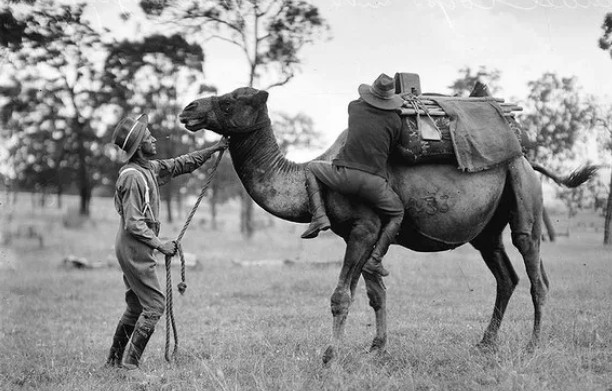
Photo: Wikimedia Commons
What Happened to Hi Jolly After the Camels?
Hi Jolly remained in the American West after the camel program ended. He continued working for the U.S. government as a packer, guide, and scout. Arizona records place Hadji Ali at Fort,). McDowell, northeast of Phoenix, from the late 1860s into 1870. He later tried to build businesses using camels, but those efforts did not succeed. Some of the animals were sold, while others were turned loose.
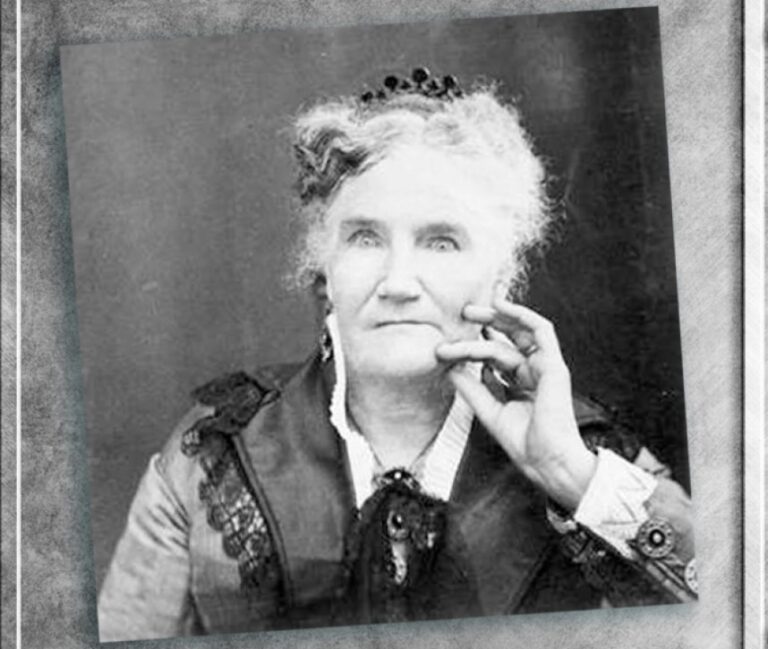
His life also became more settled. In 1880, using the name Philip Tedro, Hadji Ali became a U.S. citizen and married Gertrudis Serna in Tucson, Arizona. They had children. In 1885, the Army hired him again. This time he worked with pack mules during Brigadier General George Crook’s campaign against Geronimo. Later, Hi Jolly lived around Quartzsite, Arizona. He worked as a miner and sometimes as a government scout. The man once known for camels ended his working life doing many ordinary frontier jobs. His work changed as the frontier changed around him.
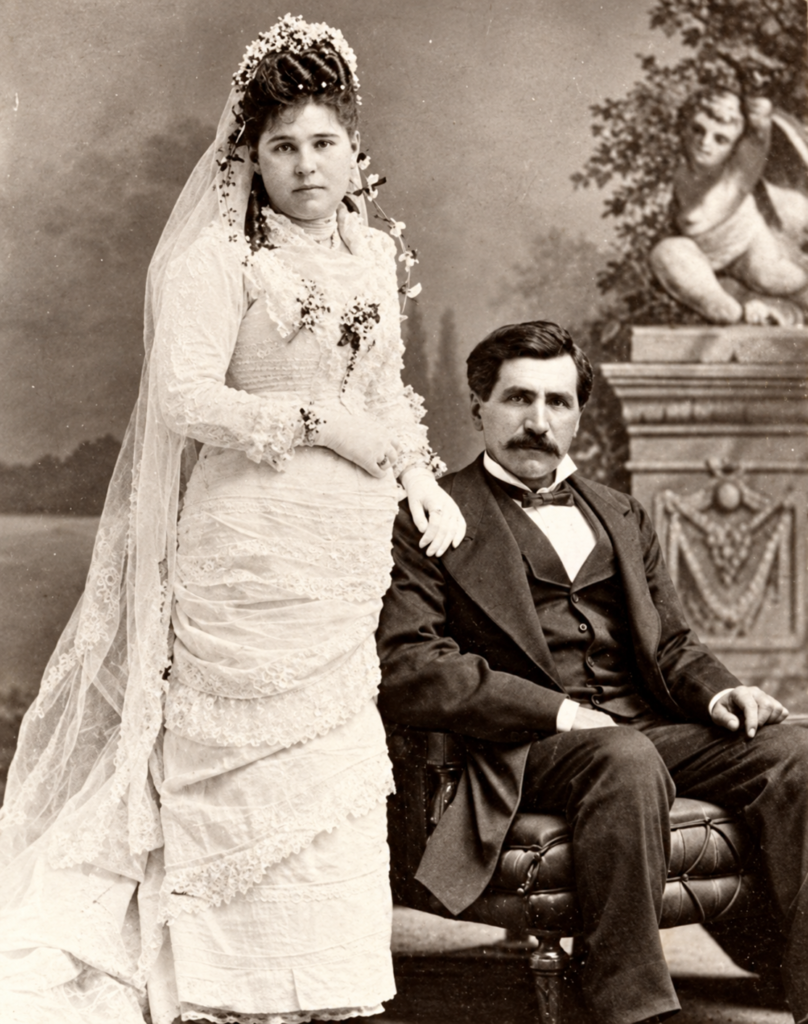
Photo: Marfa Public Library, University of North Texas Libraries
Why Arizona Still Remembers Hi Jolly
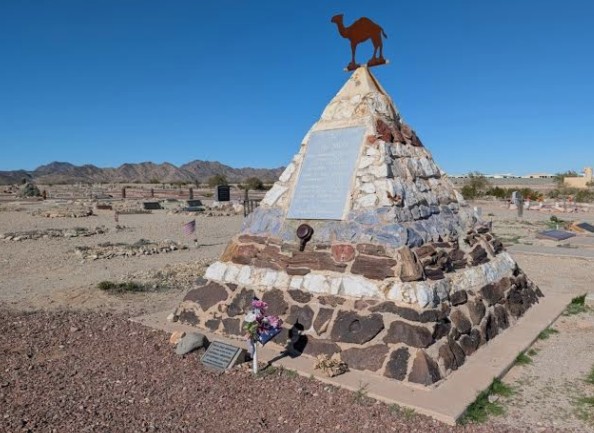
Hi Jolly died in Quartzsite, Arizona, on December 16, 1902. He was buried in the local cemetery. More than thirty years later, Arizona residents built a stone pyramid near his grave. A metal camel stands on top. The memorial honors both Hadji Ali and the Army’s camel experiment. It remains one of Arizona’s most unusual frontier monuments.
The monument tells only part of his story. Hi Jolly became famous because camels seem strange in Arizona history. Yet his life was larger than one Army experiment. Hadji Ali crossed an ocean, learned a new country, served the U.S. government, became a citizen, married, worked, failed at some ventures, and kept going. Even basic facts about his birth remain disputed. That uncertainty has helped legends grow around him. The camel experiment ended, and most of the animals disappeared. The camel driver, however, became the part people remembered. The mystery around his origins has also kept readers asking who he really was.
Hadji Ali: A Man Between Two Worlds
Hadji Ali’s life tied the Middle East to the deserts of the American West. His story also shows how experimental the frontier could be. The U.S. Army tried camels because old methods did not always fit new land. The plan faded, but Hi Jolly stayed. Today, his grave in Quartzsite carries a camel above the desert. It marks both a failed experiment and a lasting life. The strange animal drew attention. The man beside it earned the memory.
- If you’re curious, here are more articles about interesting people, places and things in Arizona.
Discover more from TheCuriousOnlooker
Subscribe to get the latest posts sent to your email.