Wyoming Cowboy Logo: The Bucking Horse Story Revealed
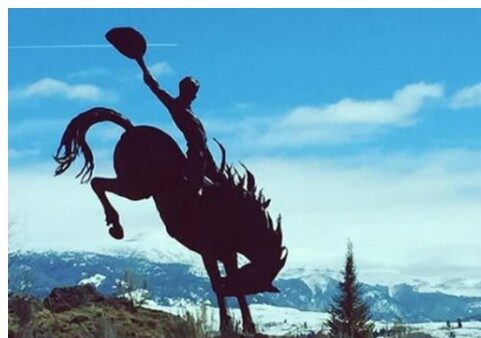
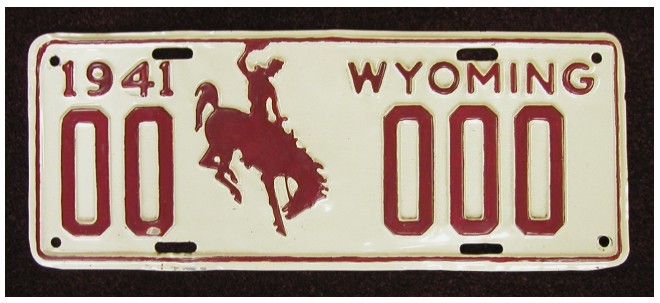
The Wyoming cowboy logo is the bucking horse and rider that appears on every state license plate. It shows a cowboy clinging to a wild horse. This simple picture has been a symbol of Wyoming since 1936. It is the longest-running license plate design in the world. The image originated from real rodeo horses and wartime drawings. People still argue about which horse and rider it shows. That mystery keeps the symbol alive and full of stories from the past.
Key Points
- Wyoming’s bucking horse and rider first appeared on license plates in 1936.
- The design traces back to a World War I insignia drawn by George N. Ostrom.
- Many people link the logo to the famous bronc Steamboat, though that link is not certain.
- Secretary of State Lester C. Hunt chose the image to stop fake license plates.
- The symbol now represents Wyoming on coins, signs, and sports gear.
A Wartime Drawing Starts the Wyoming Cowboy Logo
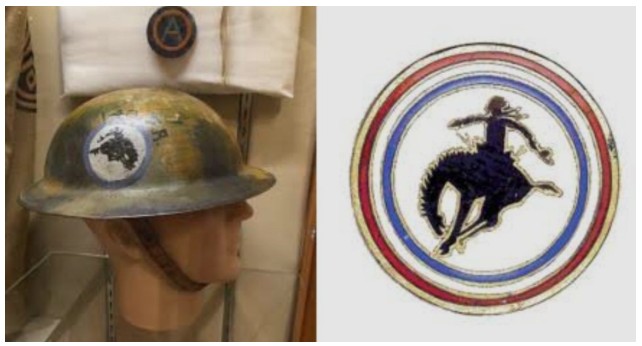
First Sergeant George N. Ostrom of the Wyoming National Guard created the first known bucking-horse design in 1918. He served with the 148th Field Artillery Regiment in France during World War I. Officers asked for a unit emblem. Ostrom painted a cowboy on a bucking horse onto a bass drum. He based the horse on his own horse called: Redwing. Ostrom had purchased Redwing from Crow Indians near Sheridan, Wyoming, years earlier. Ostrom’s design was the contest winner. Soldiers painted it on trucks, guns, and helmets. The image traveled across Europe with Wyoming’s troops. It became a proud reminder of home for the men serving overseas.
After World War I, the emblem stayed in people’s minds. Wyoming soldiers kept using versions of it on gear and signs. The design showed the tough spirit of the West. It was not yet the official state logo. Still, it planted the idea of a cowboy on a wild horse as an image to remember Wyoming. The wartime drawing gave the logo its strong start.
Steamboat the Horse and the Rodeo Mystery
Steamboat was a black horse born in 1896 on the Foss Ranch near Chugwater, Wyoming. He had three white stockings on his legs. Cowboys tried to break him for ranch work. He threw nearly every rider who climbed on his back. People named him Steamboat for the whistling sound he made when he breathed. A broken nose caused the noise. Steamboat became a star at rodeos across the region. In 1903 a photographer named B.C. Buffum took a picture of cowboy Guy Holt riding Steamboat at the Albany County Fair. The photo showed Holt holding on while the horse twisted high in the air.
That picture later inspired the University of Wyoming’s early athletic logo. Many people now believe the state license-plate horse is also Steamboat. Others name different riders such as Clayton Danks or Stub Farlow. The truth remains a mystery. No single photo matches the final design exactly. The debate itself shows how deeply Wyoming people care about the image and its meaning today.
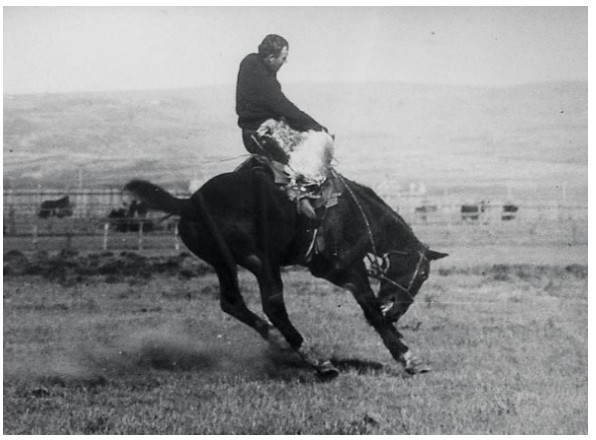
Photo – Professor B. C. Buffum
How the Wyoming Cowboy Logo Reached License Plates
In 1935 Wyoming faced a problem with fake license plates on its roads. Secretary of State Lester C. Hunt needed a new design that would be hard to copy. He asked Denver artist Allen T. True to draw a bucking horse and rider. True had already painted murals in the Wyoming Capitol building years before. Hunt paid him seventy-five dollars for the finished work. The new plates appeared in 1936 across the state. They showed a cowboy with one rein and one foot visible. The simple outline could be seen from far away on any road.
Hunt later said he had no particular horse in mind for the picture. He did think of his friend A.J. “Stub” Farlow of Lander as a typical cowboy. The state copyrighted the image that same year. Hunt held the copyright at first and later gave it to the state in 1942. The Wyoming cowboy logo has stayed on the license plates ever since. It is the longest continuous license-plate design in the world today.
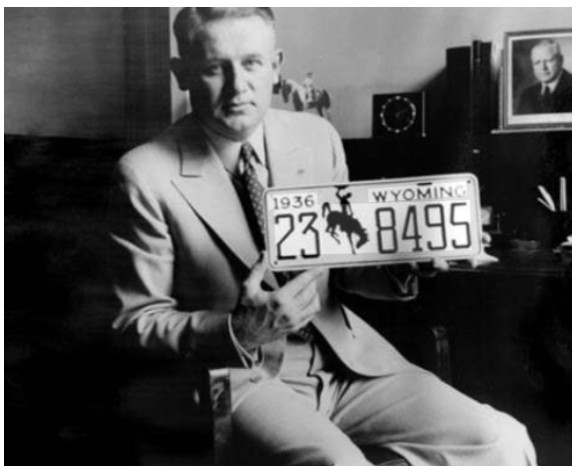
Photo – Wyoming State Archives
Why the Bucking Horse Still Matters Today
The Wyoming cowboy logo appears on the state’s highway signs, university gear, and more. It stands for grit and independence in daily life across the state’s rugged plains. Visitors see it the moment they cross the state border on any highway. Local people wear it on hats, shirts, and jackets with pride. The image links modern Wyoming to the open-range days of the late 1800s when cattle still ruled the land.
Rodeo horses like Steamboat once tested every cowboy’s skill and nerve in dusty corrals. That same spirit lives in the simple black outline on every car plate today. The symbol reminds people that the West was hard work and required quiet courage in demanding conditions. The Wyoming cowboy logo is stil a reminder of a place where toughness and freedom matter. Children learn the picture early and carry it with them as they grow up in the “Cowboy State.”
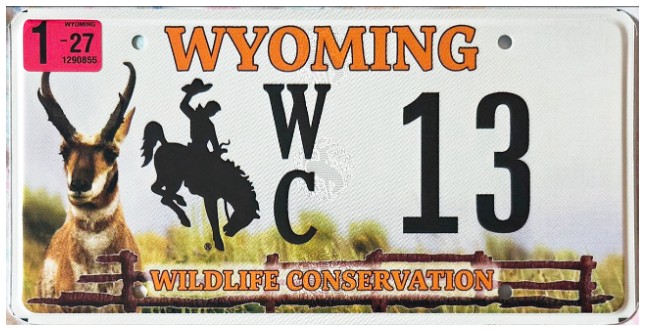
A Lasting Mark of the American West
Wyoming’s bucking horse and rider grew from wartime paint and rodeo dust. It moved from army trucks to everyday cars across the state. The image carries stories of real horses and real riders from long ago. The Wyoming cowboy logo also carries the quiet pride of a state that still values toughness and hard work. Across the Intermountain West there aren’t many symbols that speak so clearly to travelers and locals. The cowboy on the wild horse keeps telling the same short story: Hold on and keep going!
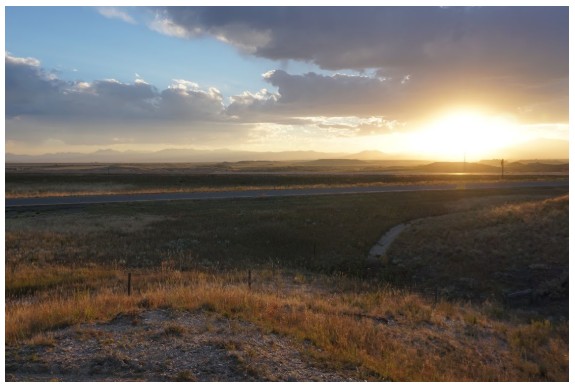
Photo – F R Lambrechtsen
- If you’re curious, more articles about interesting people, places and things in Wyoming can be found here.
Discover more from TheCuriousOnlooker
Subscribe to get the latest posts sent to your email.