Bear Spray: How A Montana Invention Has Become An Amazing Lifesaver
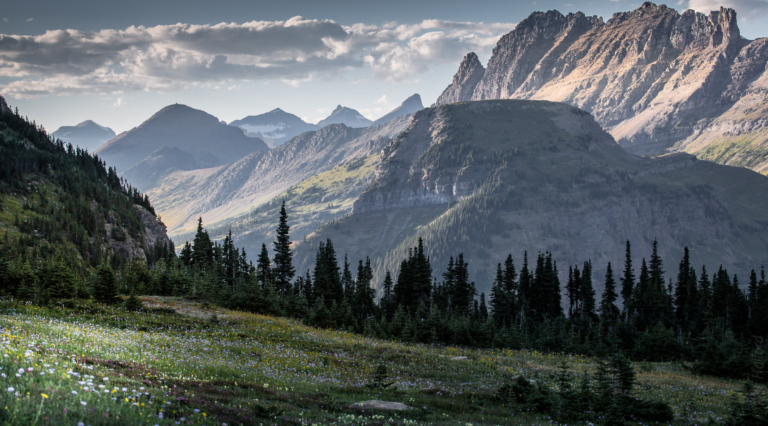
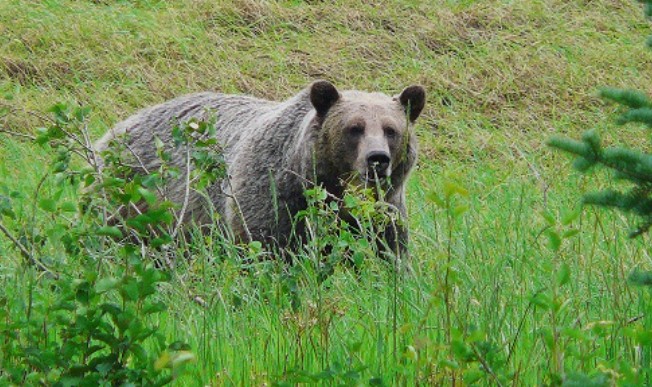
Imagine standing in a high forest in Montana. The air smells of pine needles and cold mountain stream water. High snow peaks rise into the blue sky. Suddenly, a giant grizzly bear steps out from the green trees. Long ago, a hiker or hunter in this situation had only a rifle or bad luck. But today, outdoor travelers carry a special red canister on their belts. That canister holds bear spray. This simple tool was born in the state of Montana. It changed forever how humans share the wild mountains with giant animals.
Highlights…
- What is modern bear spray? Modern bear spray is a large canister that sends out a wide cloud of capsaicin, the hot compound found in chili peppers, to deter a nearby bear.
- Who developed bear spray in Montana? University of Montana researcher Dr. Charles “Charlie” Rice led the early work that shaped modern bear deterrent spray.
- When was bear spray developed? Dr. Charles “Charlie” Rice began this important Montana research in 1980. Bear-spray products reached the market after Environmental Protection Agency registration in the mid-1980s.
- Why is bear spray different from ordinary pepper spray? Bear spray is built to create a wider cloud at a greater distance, because a bear is larger, faster, and harder to stop than a human attacker.
- Does bear spray always work? No deterrent is certain, especially in wind or surprise encounters. Its strongest value comes when it is carried ready to use alongside careful bear-aware behavior.
The Idea That Started in a Montana Lab
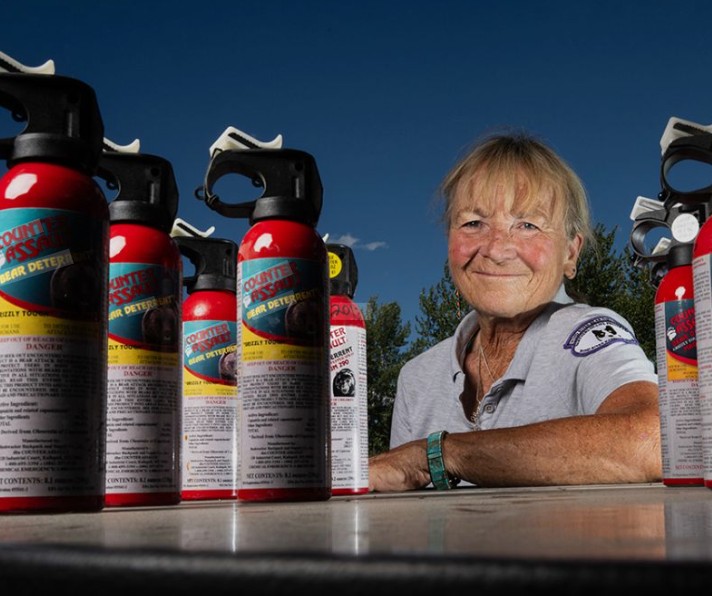
In the late 1970s, a young student named Carrie Hunt studied wildlife at the University of Montana. She wanted to save both people and grizzly bears. She knew that when a bear attacked a human, wildlife rangers usually had to shoot the bear. Carrie wondered if a safe tool could stop an angry animal without hurting it permanently.
Carrie began testing different household spices and red pepper sprays on captive bears. She worked with tiny budgets and simple equipment in her university lab. After many careful trials, she found that capsaicin made bears back away quickly. Capsaicin is the natural hot oil found inside chili peppers. The strong red pepper caused instant burning in the eyes and noses of the large animals. The bears turned away without suffering any lasting harm.
A Hunter’s Survival Leads to Safety Canisters
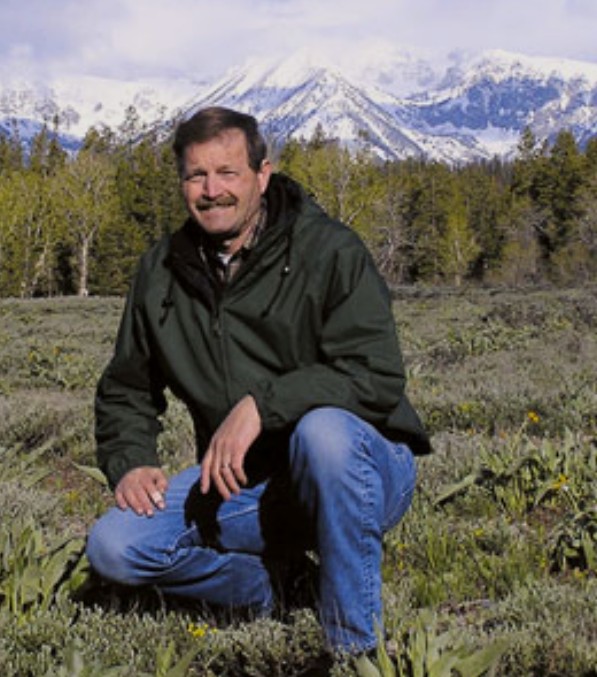
While Carrie Hunt created the basic scientific research, a terrifying event in 1992 showed how important pepper spray could be on the trail. A Montana hunter named Mark Matheny was attacked by a large mother grizzly bear while walking through the woods. He barely survived the awful ordeal.
After healing from his severe injuries, Mark decided to devote his life to making outdoor travel safer for everyone. He worked hard to improve the designs of existing spray canisters. Mark helped refine spray nozzles so they produced a wide, thick fog rather than a thin liquid stream. The thick fog created a tall wall of hot pepper that a charging bear could not run through. His new company helped make these protective canisters available to mountain hikers across the nation.
How a Canister of Pepper Fog Works
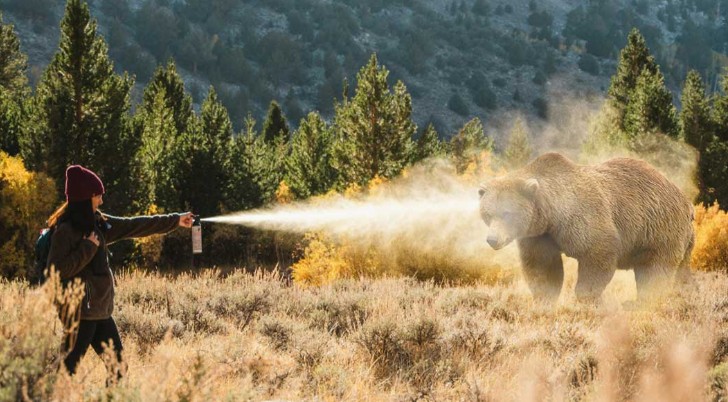
Bear spray is not the same as the small pepper spray people carry in cities for protection. City sprays shoot a small liquid stream meant for close distances. Bear spray shoots a huge, expanding cloud of pepper fog up to thirty feet away. When a bear runs toward the cloud, it inhales the heavy chili oil. The spray instantly inflames the animal’s eyes, throat, and lungs. The bear cannot see well and struggles to breathe easily for a short period.
This uncomfortable reaction temporarily stops the aggressive behavior. It gives the human plenty of time to back away safely while leaving the wild bear completely unharmed. The intense burning effect wears off slowly after the animal leaves the area.
Saving People and Bears Across the West
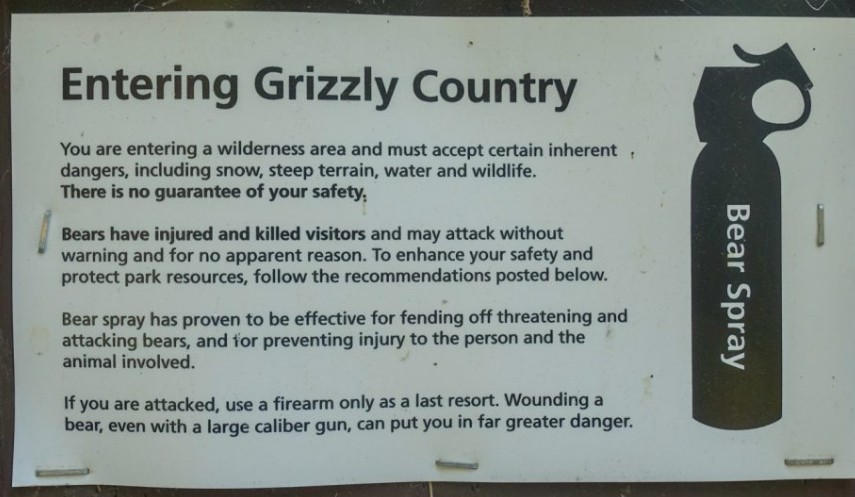
Before people carried “bear spray,” forest rangers often had to kill bears that came into conflict with humans. Today, national parks across the Intermountain West require or strongly encourage visitors to carry pepper spray canisters on their trips. Studies show that using spray stops harmful bear encounters more than ninety percent of the time.
Bear spray has saved hundreds of human lives across Montana, Wyoming, and Idaho over the last few decades. Just as importantly, it has saved hundreds of grizzlies from being destroyed by wildlife officers. A simple spray allows humans and wild predators to live side by side in the Western wilderness.
The Legacy of Montana’s Wild Safeguard
The story of pepper spray shows how Western ingenuity solved a dangerous wilderness problem. What began as a simple university study in Missoula, Montana, became a standard piece of gear for every mountain traveler. Carrie Hunt’s clever idea and Mark Matheny’s survival drive created a practical tool that changed outdoor safety forever. The next time that you pack a canister of bear spray for a hike, remember that it came from Montana. It keeps both you and the wild creatures of the American West safe on the trail.
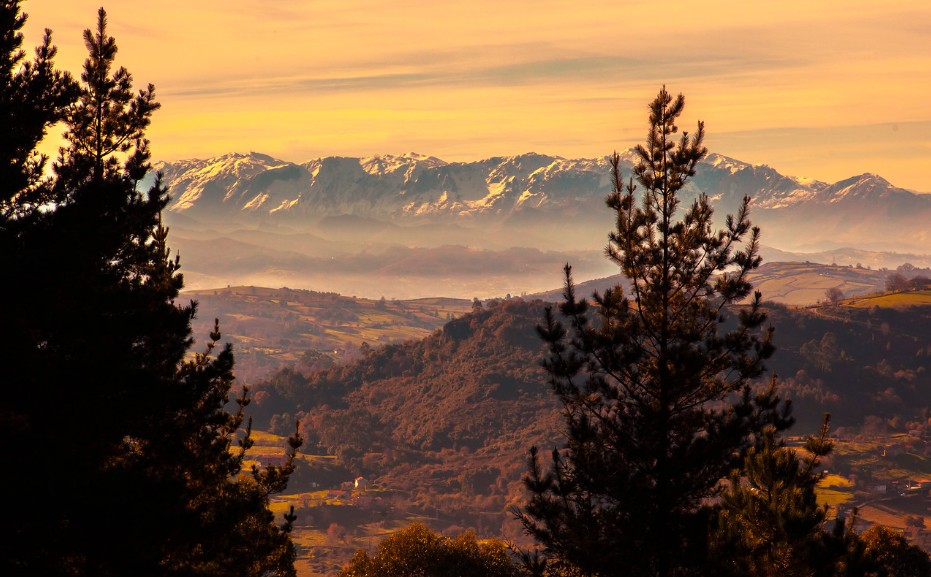
Photo – Hernan Gonzalez Rosado
- If you’re interested in learning more about bear spray, then have a look here.
- If you’re curious, here are more articles about interesting people, places, and things in Montana.
Discover more from TheCuriousOnlooker
Subscribe to get the latest posts sent to your email.