
Was George Armstrong Custer a Hero or a Warning from the Montana Frontier?
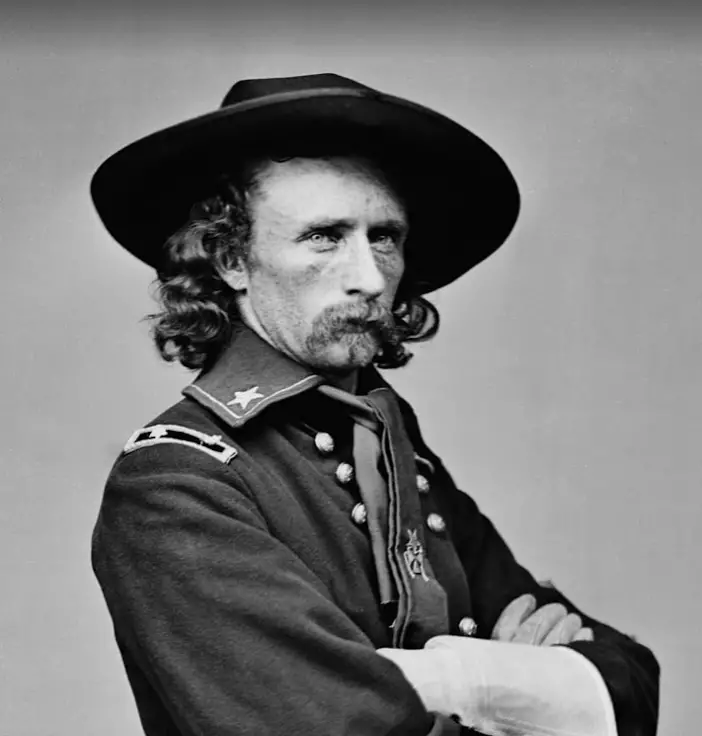
Few names from the American West spark as much debate as George Armstrong Custer in Montana. To some, he was a daring Civil War hero who rose quickly through the ranks. To others, he was a reckless commander whose decisions led to disaster at the Battle of the Little Bighorn. His life touched some of the most important events of nineteenth-century America. Although he was born far from Montana, it was on the rolling grasslands of the Montana frontier that his story reached its dramatic end.
Table of Contents
A Young Man Bound for Adventure
George Armstrong Custer was born in Ohio in 1839 and spent much of his youth in Michigan. Like many young Americans of his era, he dreamed of adventure and achievement. Those ambitions eventually led him to the United States Military Academy at West Point.
Custer’s years at West Point were far from impressive. He struggled academically and accumulated hundreds of demerits for misconduct. His record was among the worst in academy history. Under normal circumstances, such a performance would have limited his opportunities.
History intervened. The American Civil War had started and the Union Army urgently needed officers. When Custer graduated in 1861, he entered military service at a moment when talent, courage, and opportunity could quickly reshape a career.
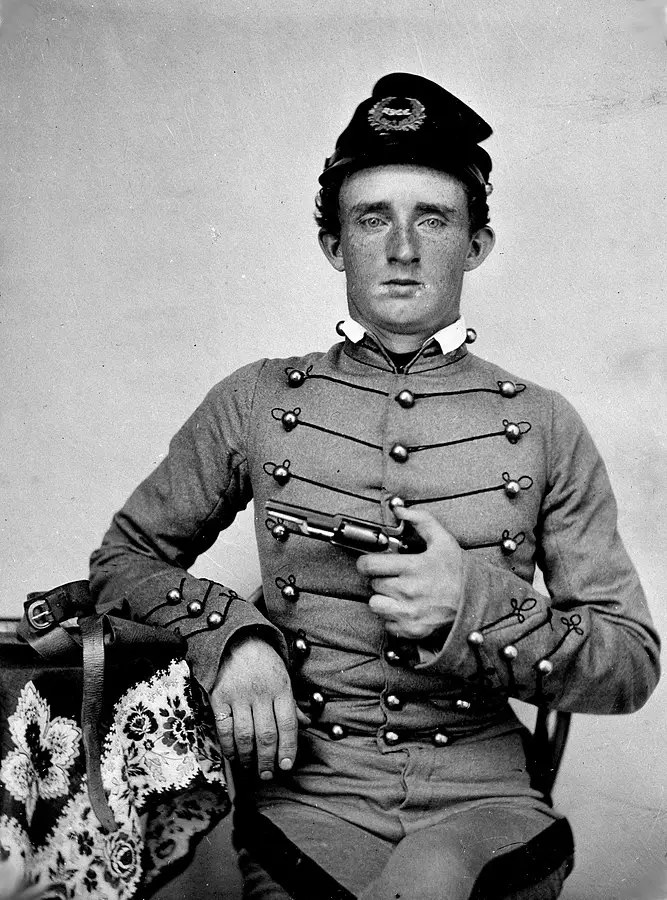
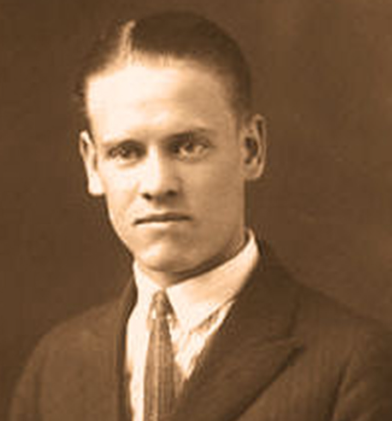
Photo – US Library of Congress
George Armstrong Custer and the Civil War
The Civil War transformed Custer from an undistinguished cadet into a nationally recognized officer. He served in several major campaigns and quickly gained a reputation for boldness under fire.
His cavalry actions during the Gettysburg Campaign brought him considerable attention. Wearing his distinctive uniform and long blond hair, he became one of the most recognizable officers in the Union Army. Fellow soldiers admired his courage, though some questioned his willingness to take risks.
As the war neared its end, Custer’s cavalry helped pursue Confederate forces during General Robert E. Lee’s retreat. His troops played an important role in operations that contributed to Lee’s surrender at Appomattox in April 1865. By age twenty-five, Custer had achieved fame that many officers spent a lifetime pursuing.
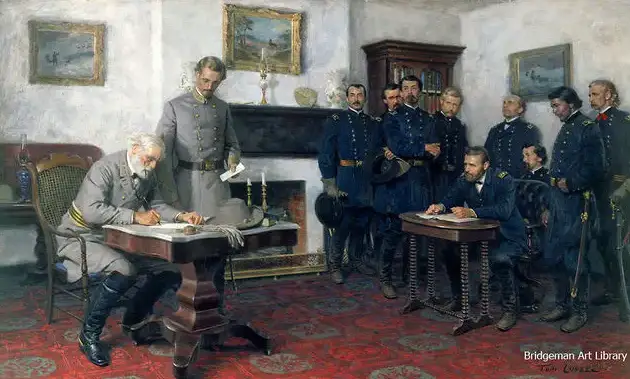
Image – Bridgeman Art Library
The American West After the Civil War
When the Civil War ended, the nation’s attention shifted toward the west. Railroads expanded and settlers moved onto the Great Plains. Conflicts increased between the United States government and Native American tribes.
In 1866, Custer became lieutenant colonel of the 7th Cavalry Regiment. He became involved campaigns against Native American tribes living across the northern plains. At this time there were competing visions of who should have control of the land. The federal government wanted greater control of western territories. Native nations such as the Sioux, Cheyenne, and Arapaho fought to preserve their traditional homelands and way of life.
Custer soon found himself at the center of these struggles. His name became closely associated with the growing conflicts that shaped the future of the American West.
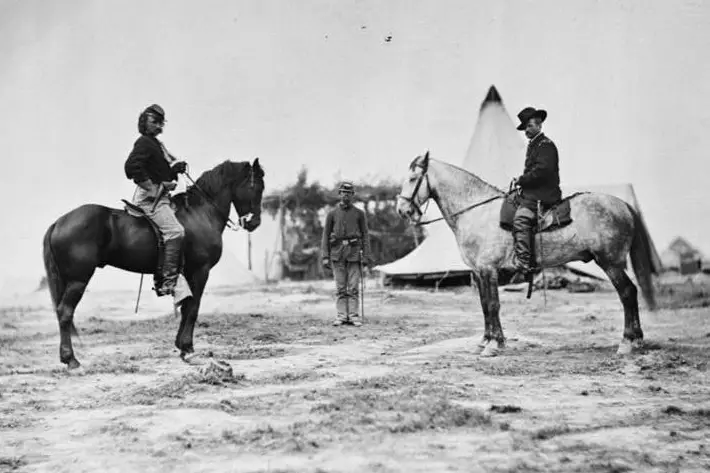
Photo – US Library of Congress
Gold, the Black Hills, and Rising Tensions
One of the most important events before the Battle of the Little Bighorn began in the Black Hills of present-day South Dakota. In 1874, gold was discovered there. Prospectors pushed into lands that had been guaranteed to the Sioux under earlier treaties. The United States government attempted to purchase the region, but Sioux leaders refused. To many Native people, the Black Hills were sacred and could not simply be bought and sold.
As negotiations failed, tensions increased. Federal authorities eventually declared some Sioux bands hostile and ordered military operations against those who remained outside reservation boundaries.
By early 1876, plans were underway for a coordinated military campaign. Several army columns would move against Native forces from different directions. Among the commanders chosen for the operation was George Armstrong Custer and his 7th Cavalry.
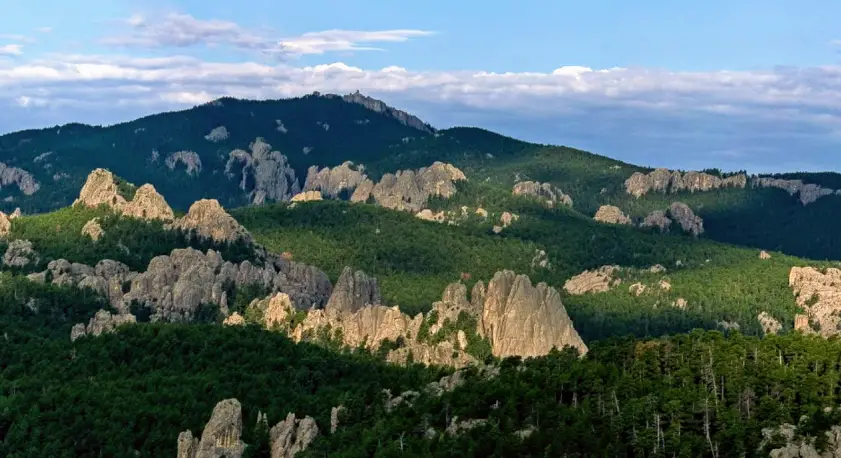
The Battle of the Little Bighorn
In June 1876, Custer and his regiment entered southeastern Montana near the Little Bighorn River. There they encountered one of the largest gatherings of Sioux, Cheyenne, and Arapaho warriors ever assembled on the northern plains.
Believing he faced a smaller force, Custer divided his command and launched an attack. The decision remains one of the most debated military choices in American history. Instead of confronting a weakened opponent, Custer encountered a powerful coalition led by leaders including Sitting Bull, Crazy Horse, and Gall. Native warriors rapidly overwhelmed Custer’s 7th Cavalry.
Within hours, Custer and more than two hundred men were dead. News of the defeat shocked the nation. Newspapers called it “Custer’s Last Stand,” and the battle quickly entered American legend. The exact sequence of events remains debated. What is certain is that the battle became one of the most famous clashes in the history of the American West.
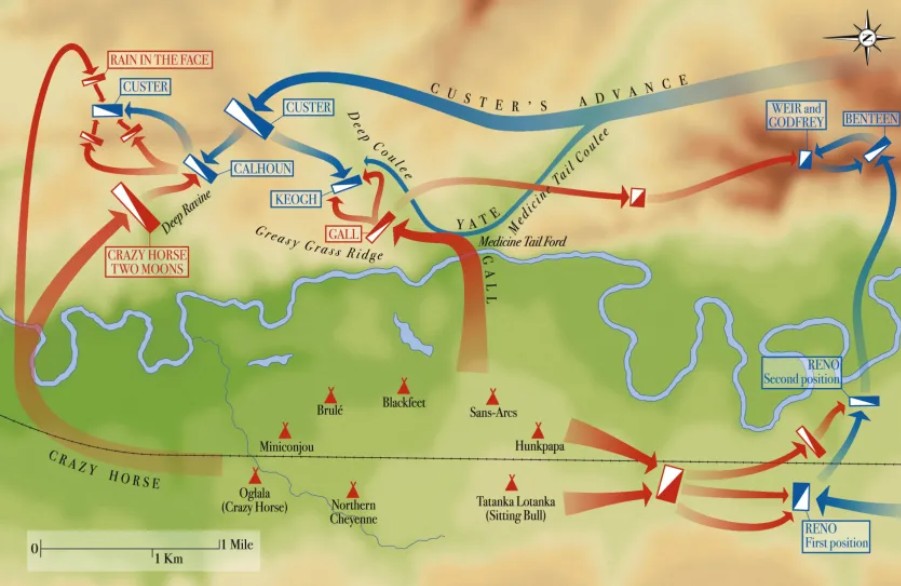
Map: Ian Bull
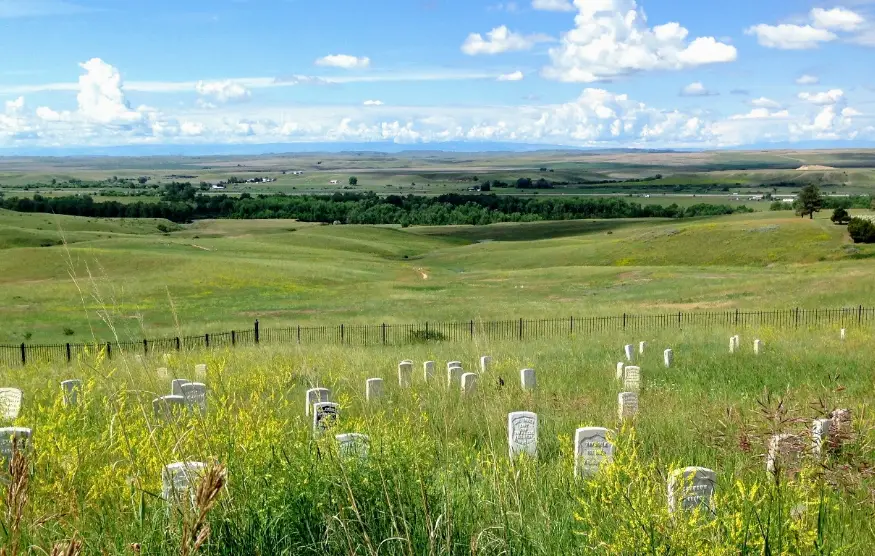
Photo – F R Lambrechtsen
Echoes Across the Montana Frontier
The story of George Armstrong Custer continues to fascinate because it resists simple answers. He was courageous, ambitious, and undeniably talented. He was also impulsive and sometimes overconfident. Those qualities helped create his successes and may have contributed to his downfall.
Today, visitors to Little Bighorn Battlefield National Monument can walk the same hills where the battle unfolded. The landscape remains remarkably peaceful. Grass bends in the wind, monuments stand in quiet reflection, and history seems very close.
Custer’s life serves as more than a military biography. It offers a window into the larger story of the American West. It is a story shaped by expansion, conflict, cultural collision, and human ambition. On the Montana frontier, those forces came together in a way that still captures our attention nearly 150 years later.
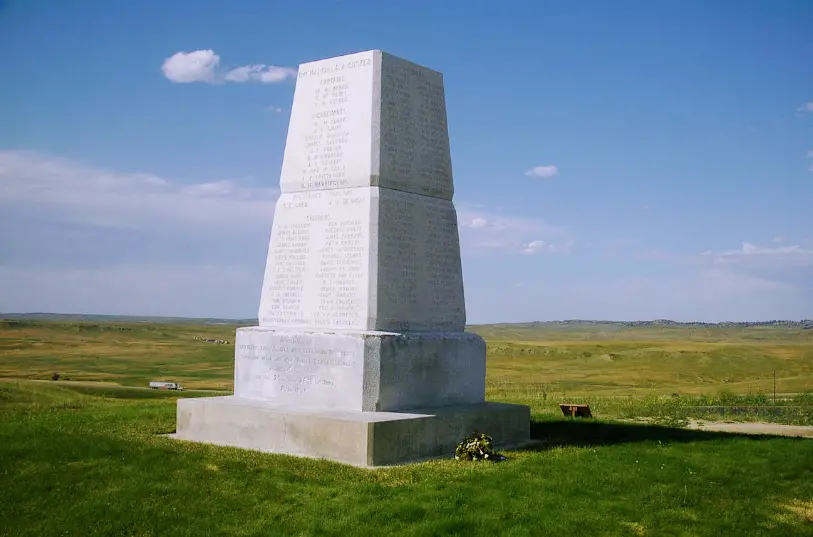
Photo – F R Lambrechtsen
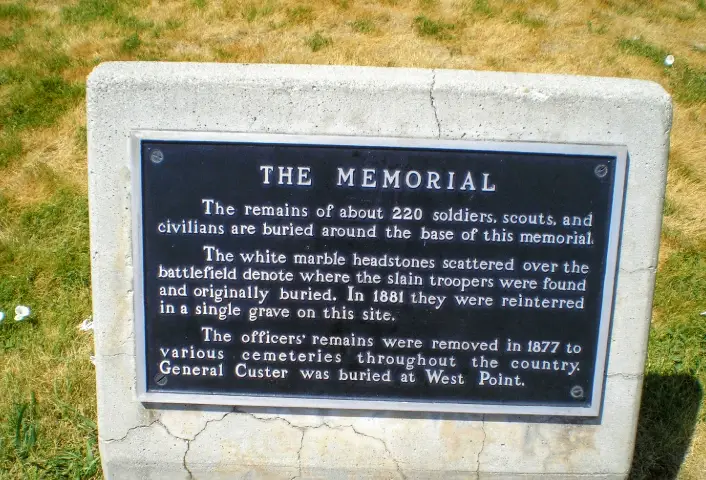
Photo – F R Lambrechtsen
- For more details about what happened at the Battle of the Little Bighorn, explore the references at the Montana Historical Society.
- For more interesting stories about people, places, and things in Montana, have a look here.
Discover more from TheCuriousOnlooker
Subscribe to get the latest posts sent to your email.
What struck me most in your article was: “The Sioux believed the land belonged to the “Great Spirit” and they and others were only stewards, caretakers of the land.)” Our Maori people have exactly the same opinion of their lands: they don’t own them, which led to wars here, just like the USA. And we are still trying to compensate Maori for the “theft of their lands” via our Waitangi Tribunal. See https://www.waitangitribunal.govt.nz/
Nick….thanks for your comment. You also mentioned including more about the Sioux and their allies (the Cheyenne and the Arapaho). That’s a fair comment. Actually, there’s enough on that side of the story for a post of its own. I have that on the editorial list for the future. It’s interesting that Sitting Bull, the main “general” opposing Custer and the US Government forces, first sued for peace. That proposal was turned down because the US thought they had the military advantage. Because of this, I thought the title of this Custer post was…….apt.
Best,
– Frans
Frans, I was stupefied on the grounds of the Battle of Little Bighorn. They used to call it the Custer Battlefield but went to a more accurate name and not one celebrating the looser as it was. It is a very humbling site! Nice work. Alan*
Thanks, Alan. Glad you liked it. Linda and I felt the same when we visited the Little Bighorn battlefield a couple of years ago. We were in Yellowstone but actually felt the Little Bighorn visit was one of the top memories of that whole trip. Beautiful. Peaceful. Memorable.