What Is the Surprising History of Colorado’s Highway 50 and Its Role in Western Expansion?
The history of Highway 50 in Colorado is interesting. Long before it became a two-lane road cutting across Colorado’s high desert, Highway 50’s path was already ancient. For centuries, Native American tribes used this corridor to cross the mountains and reach hunting grounds. Later, Spanish explorers and American fur trappers followed the same route. When the automobile arrived, engineers chose this proven pathway. Today, the 110-mile stretch of US Highway 50 that runs from the Utah border near Cisco to the Kansas border near Limon tells the story of westward movement, innovation, and connection—a thread that stitched the American West together.
Table of Contents
The Ancient Roads Before the Highway
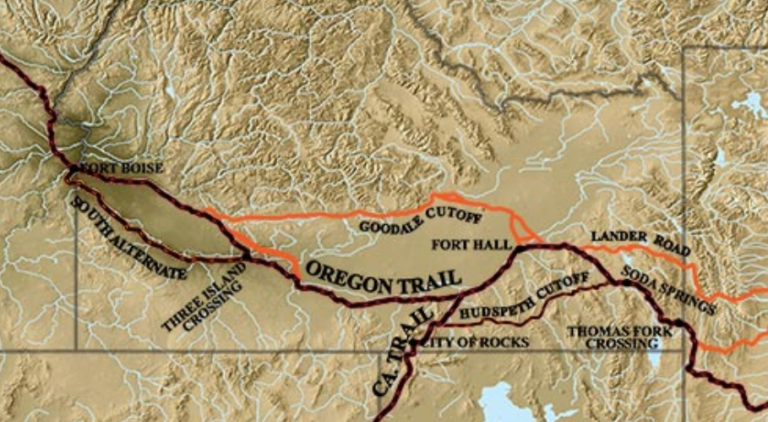
Long before any road existed, the land itself guided travelers. Ute, Comanche, and Apache peoples knew the natural passages through Colorado’s terrain. Rivers and ridges shaped their routes. These pathways were practical. They led to water, game, and shelter. They avoided the steepest climbs. Spanish conquistadors and Mexican traders later discovered these same trails in the 1700s. By the 1800s, American fur trappers and settlers recognized what Indigenous peoples had known for generations: this corridor was the easiest way across difficult country. The land had already chosen its own highway. All that remained was to make it official.
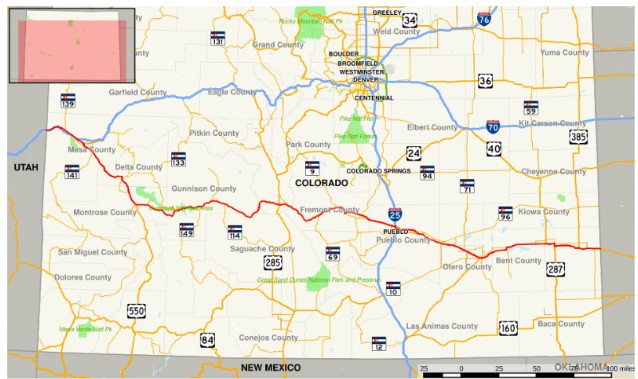
Image – Wikimedia Commons
Stagecoach Routes and the Overland Mail
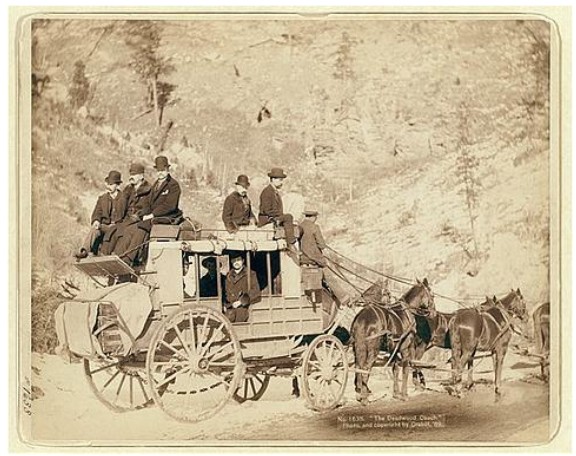
By the mid-1800s, the need to connect settlements created a new kind of traffic. Stagecoaches carried mail, passengers, and news across Colorado. Stage stations appeared at regular intervals—places where horses could rest and travelers could eat and sleep. These stations became small communities. The Overland Mail system, which operated from 1858 onward, relied on routes that followed the same general path Highway 50 would later take. These coaches faced harsh conditions. Winter storms could trap vehicles for days. River crossings were dangerous. Yet the mail moved. These stage routes proved something important: this path could sustain regular travel and commerce. The stagecoach era lasted only a few decades, but it proved the route’s value and created the first real pressure to improve the roads.
The Automobile Age and Highway Construction
When automobiles appeared in the early 1900s, Colorado faced a choice: which routes should become real highways? The answer seemed obvious. Existing trails had already proven their value. In 1912, the Lincoln Highway Association began marking routes across America. Highway 50 emerged as part of this national network. But early “highways” were not what modern drivers expect. They were rutted dirt roads, often impassable in winter. Construction began in earnest after 1916, when the Federal Road Act created funding for better roads. Workers faced tremendous challenges. They had to cut through mountains, bridge rivers, and grade high desert plateaus. Equipment was basic compared to modern standards. Progress was slow. Yet by the 1930s, Highway 50 became a real road—still unpaved in stretches, but increasingly passable year-round.
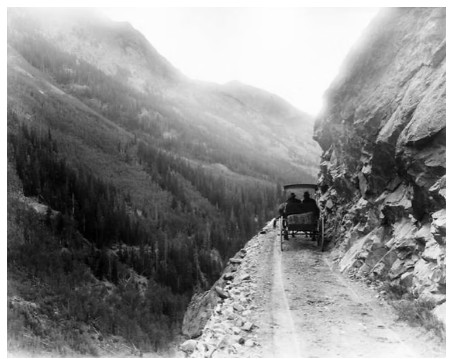
Photo – Denver Public Library
The Post-1950s Modern Highway Era
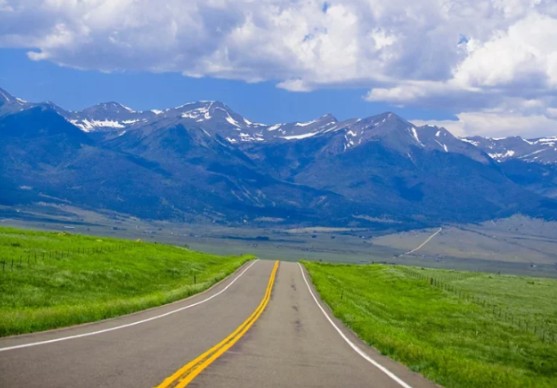
After World War II, America’s highway system transformed completely. The Interstate Highway System created faster routes between major cities, but Highway 50 served a different purpose. It connected small towns. It opened remote regions. Through the 1950s and 1960s, Highway 50 through Colorado was modernized. It received paved surfaces, wider lanes, and safer curves. The federal government classified it as a U.S. Highway, making it eligible for federal funding and standards. This investment changed Colorado’s small communities along the route. Towns like Montrose, Delta, and Parachute became gateways. Tourism increased. Agricultural products could move to market more efficiently. The highway made isolation less complete. Even today, Highway 50 remains a two-lane road, which gives it character modern interstates lack. This slower pace appeals to travelers seeking a different kind of journey through the West.
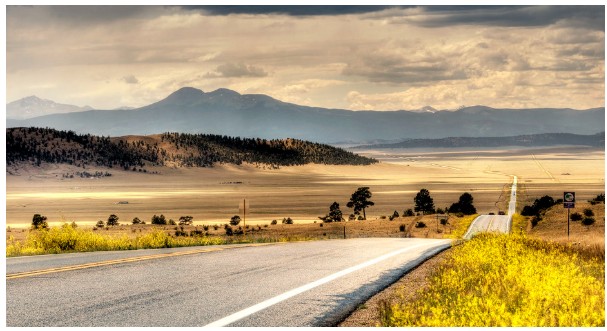
Photo – Wolfgang Stoudt
Communities Built on Connection
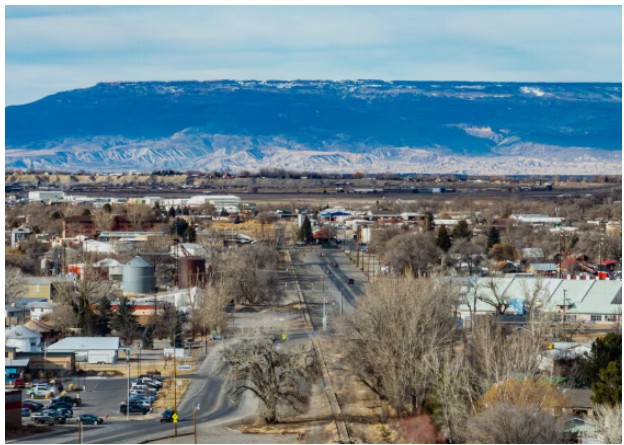
Highway 50 did more than move people and goods. It built communities. Towns that sat on the route prospered. Businesses opened to serve travelers. Schools could recruit teachers from wider regions. Hospitals became possible when doctors could reach them reliably. The highway connected Colorado’s western slope to its eastern plains. It made trade between regions practical. Farmers could sell to Denver. Manufacturers could reach mountain towns. The road transformed economics. It also transformed culture. News traveled faster. Ideas spread. Young people could move away for education and return home. Families separated by distance could visit more often. Highway 50 made the Intermountain West feel smaller and more connected, even as it preserved the region’s character and independence.
A Thread Through History
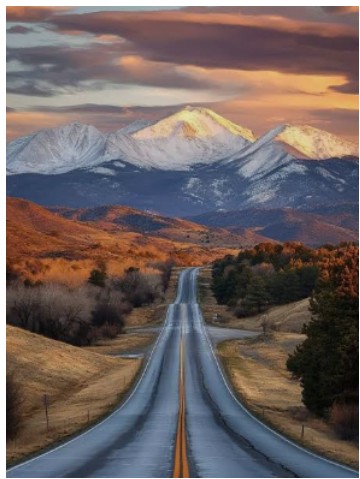
Highway 50 through Colorado is more than asphalt and concrete. It is a line drawn on the landscape that marks centuries of human movement and ambition. From Native American trails to Spanish explorers, from stagecoach routes to modern automobiles, this corridor has always meant connection. It has carried commerce, news, families, and dreams. The highway’s history is the history of the American West itself—a story of overcoming obstacles, finding the easiest path through difficulty, and building communities where people could thrive. Today, as travelers drive Highway 50, they are following footsteps that stretch back centuries. They are part of a tradition older than America itself. The road reminds us that sometimes the most important discoveries are the oldest ones. And sometimes, the best way forward is simply to follow the path that has always been there.
- For more on Highway 50 through Colorado, this source offers more details.
- If you’re curious about more interesting people, places and things in Colorado, then have a look here.
Discover more from TheCuriousOnlooker
Subscribe to get the latest posts sent to your email.