What Is the Hidden History of Glacier National Park?
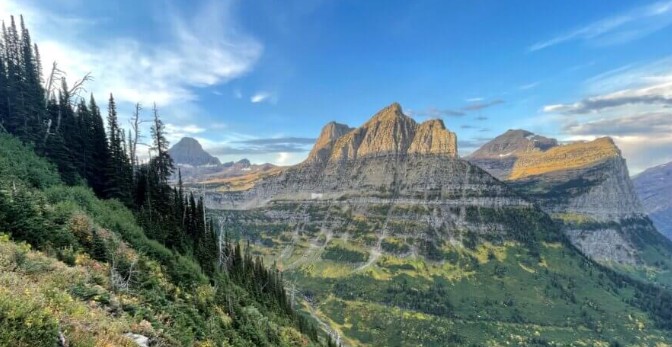
Glacier National Park sits high in the mountains of Montana. Long ago, huge sheets of ice carved deep valleys into the rock. Today, visitors see towering peaks and bright blue lakes. But this beautiful place also has a long human history. Native Americans lived here for thousands of years before it became a park. Miners came to look for copper and gold. Later, a large railroad company helped turn the area into a famous tourist destination.
Table of Contents
Original Guardians of the Shining Mountains
The Blackfeet Nation lived on the eastern side of these mountains. They called the area the Backbone of the World. To the west, the Salish and Kootenai tribes hunted and gathered food. These Native Americans traveled the high mountain passes for centuries. They knew the plants and animals well. The mountains were sacred places for vision quests and ceremonies.
In 1895, the United States government bought land from the Blackfeet. The government wanted to look for valuable minerals. The Blackfeet kept the right to hunt and cut timber on this land. Later, the government changed the rules. This caused deep problems for the tribe. Today, the Blackfeet reservation still borders the eastern edge of the park.
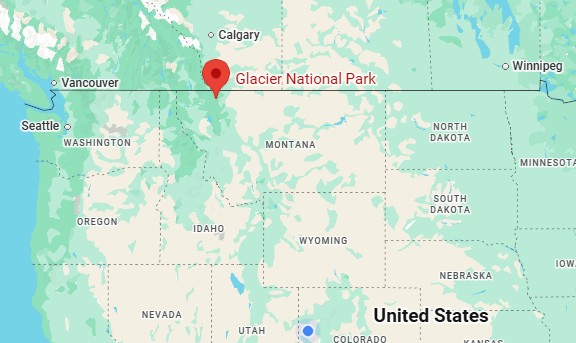
Map: Google
The Copper Boom That Never Happened
In the late 1800s, rumors of copper and gold spread fast. Thousands of miners rushed into the mountains. They built a busy mining town called Altyn on the east side. Miners dug tunnels into the stone walls. They hoped to find great riches in the cliffs.
The boom did not last long. Miners found very little copper or gold. The ore was not rich enough to make a profit. By 1902, the rush was over. The miners left their tools and cabins behind. Nature began to take back the valleys. Later, a dam flooded the old site of Altyn. Now, the mining town lies deep underwater.
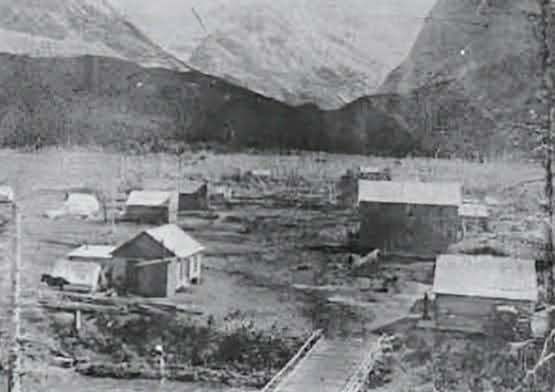
Photo: Glacier Park Archives
Iron Horses and Swiss Chalets
A man named Louis Hill wanted people to visit the mountains. He was the president of the Great Northern Railway. Hill knew that tourists needed a way to travel. His company built tracks right up to the edge of the mountains. He also built grand hotels and small mountain cabins called chalets.
Hill wanted the park to look like Switzerland. He hired Swiss builders to make wooden lodges with big porches. Visitors rode horses into the backcountry to stay at these remote chalets. The railroad company advertised the park across the whole country. Their famous slogan told Americans to “See America First.” This plan brought thousands of wealthy travelers to Montana.
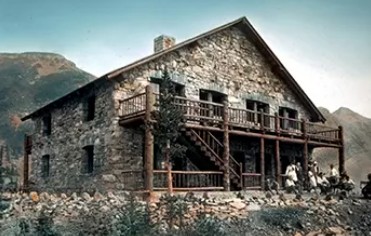
Photo: Glacier Park Archive
Engineering the Great Going-to-the-Sun Road
Cars became popular in the 1920s. Visitors wanted to drive through the rugged mountains. Engineers began to build a road over the Continental Divide. They called it the Going-to-the-Sun Road. This was a very difficult and dangerous job. Workers blasted solid rock off the edges of high cliffs.
The road took more than ten years to complete. Workers could only labor during the short summer months. Heavy snow blocked the path for most of the year. The road finally opened in 1933. It spans 50 miles across the park. Today, drivers still marvel at the stone walls and steep drop-offs along the highway.
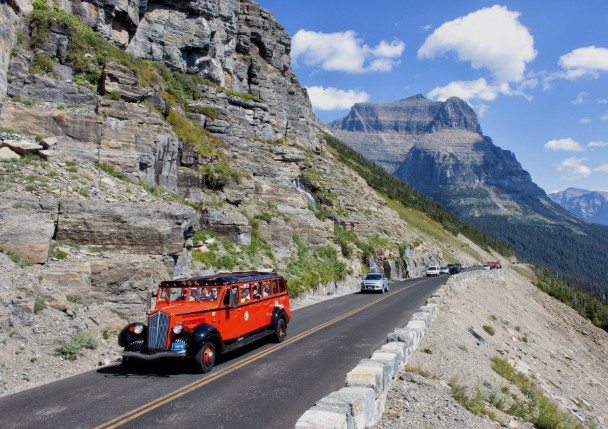
Photo: Justin Franz/Montana Free Press
A Changing Landscape of Living Ice
Glacier National Park is famous for its massive glaciers. In 1850, the area had about 150 active glaciers. These moving fields of ice shaped the valleys over thousands of years. They act like giant rivers of ice that scrape the mountainside.
Today, less than 25 active glaciers remain in the park. The ice is melting fast as the climate warms. Scientists study these glaciers every year to measure the ice loss. Visitors can still hike to view the remaining ice fields. The melting glaciers change the flow of mountain streams. This impacts the fish, plants, and animals that rely on cold water.
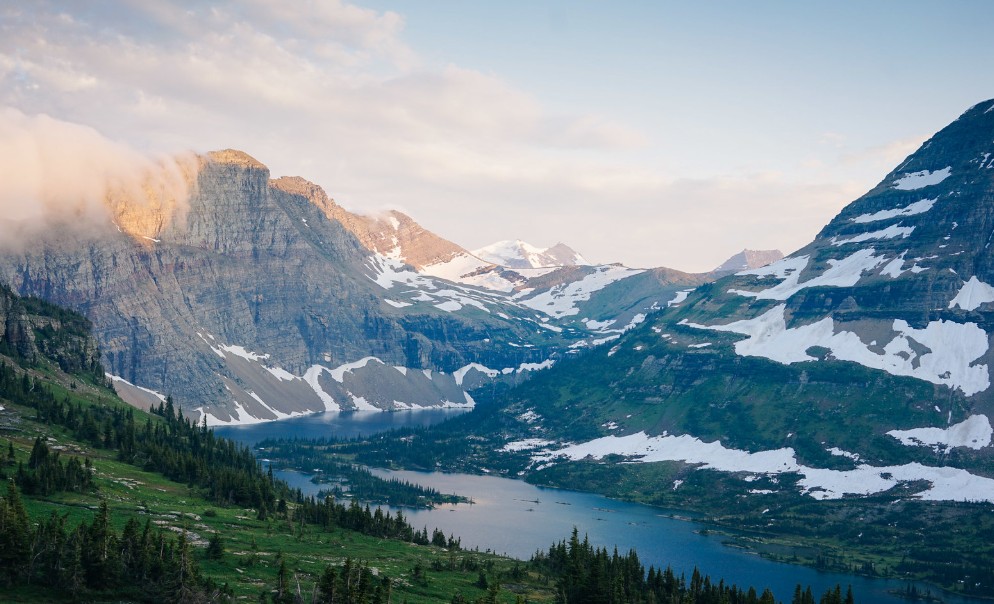
Photo: Cody Wellons
A Crown Jewel of the Continent
Glacier National Park remains a vital part of the American West. It preserves a wild landscape that has disappeared in other places. The park protects large animals like grizzly bears, wolves, and mountain goats. It sits at the top of three major water basins. Water from these peaks flows all the way to the Pacific Ocean, Hudson Bay, and the Gulf of Mexico.
The park reminds us of the early battles between preservation and industry. It shows how railroads shaped western travel. Visitors still come to find adventure in the high peaks. The mountains hold the stories of Native American guides, hopeful miners, and early conservationists.
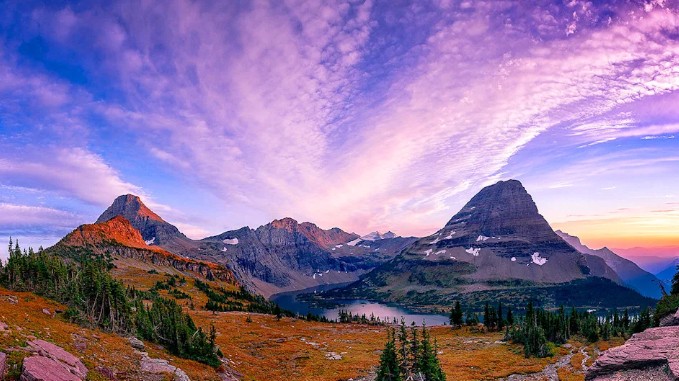
Photo: JD Hascup
** If you’re curious about more interesting people, places, and things in Montana, have a look here.
Discover more from TheCuriousOnlooker
Subscribe to get the latest posts sent to your email.