Arco, Idaho – The Small Town That First Lit the World with Nuclear Power
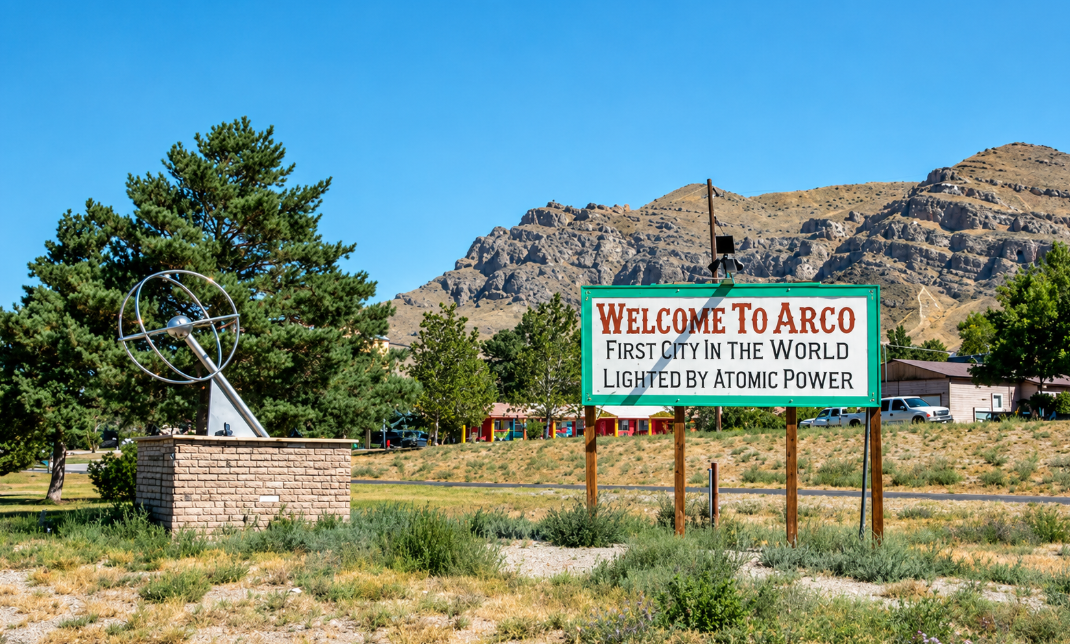
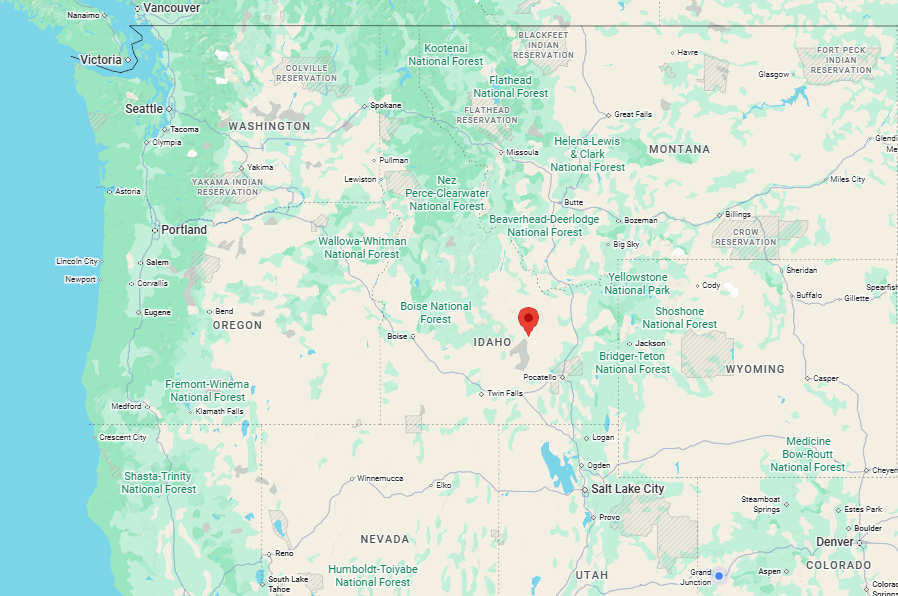
Arco, Idaho, is a small desert town that made history on July 17, 1955. On that date it became the first city in the world to be powered by nuclear energy. Fewer than 1,000 people live there today. Yet this quiet community, located in southeastern Idaho, changed forever how the world thought about energy. Arco is also the gateway to one of the most remarkable periods of scientific history in the American West.
Key Points
- On July 17, 1955, Arco, Idaho, became the first city in the world powered by nuclear electricity.
- The nearby Experimental Breeder Reactor-I (EBR-I) is a National Historic Landmark and is open to visitors.
- A 1961 reactor accident at the SL-1 facility near Arco killed three U.S. Army soldiers — the only fatal nuclear reactor accident in American history.
- Number Hill, a painted cliff above Arco, has displayed graduating class numbers since 1920.
- Arco sits on the Snake River Plain, a landscape shaped by ancient lava flows and one of the most geologically dramatic regions in the American West.
Map – Google
A Desert Crossroads Long Before the Atomic Age
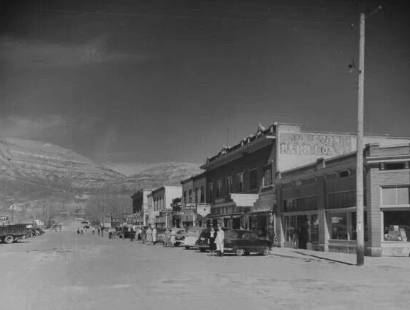
Arco, Idaho, began as a simple desert waypoint in the late nineteenth century. That was long before anyone imagined splitting atoms there. The Shoshone and Bannock peoples had lived across this part of the Snake River Plain for thousands of years. They hunted and moved with the seasons through a landscape of sagebrush, lava rock, and open sky. European settlers arrived in the 1870s and 1880s. They came hoping to establish ranches and farms along the valley’s limited water sources.
The town was formally established in 1901. It was named after a German prince, Georg zu Stolberg-Wernigerode. His title included, “Count of Arco.” The post office needed a short name and “Arco” fit the need easily. By the early twentieth century, Arco had grown into a modest hub for ranches and farms in the area. It was an ordinary small town…until the federal government began looking at the remote desert to its west and saw something extraordinary: space, isolation, and safety. These were perfect for testing the most powerful technology the world had ever seen.
Arco, Idaho, and the Birth of Nuclear Power
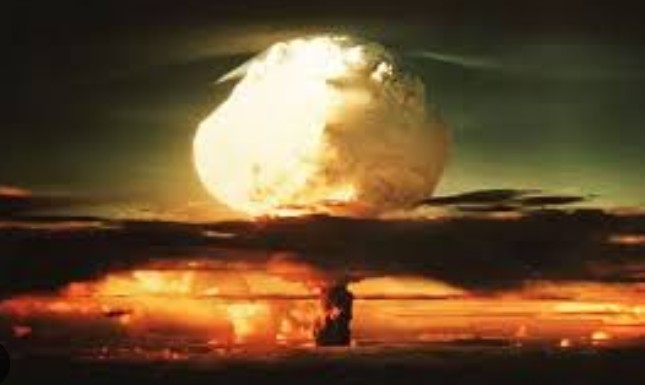
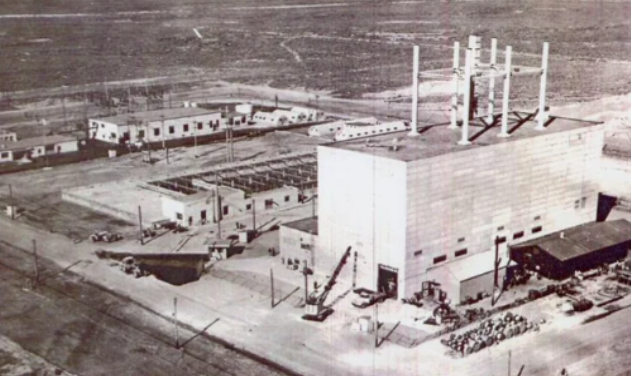
The Experimental Breeder Reactor-I, known as EBR-I, sits about eighteen miles southeast of Arco and is the reason Arco’s name appears in history books around the world. On December 20, 1951, EBR-I produced the world’s first usable electricity from nuclear fission — enough to light four small light bulbs. Engineers at the National Reactor Testing Station, now called the Idaho National Laboratory, kept pushing forward.
On July 17, 1955, operators connected EBR-I’s successor reactor to Arco’s power grid. For about one hour, the town of Arco ran entirely on nuclear electricity. It was a demonstration, not a permanent solution, but it was enough to prove the idea worked. The United States Atomic Energy Commission wanted the world to know that nuclear power could light a city. Arco was that city. Today, EBR-I is a National Historic Landmark, open to visitors each summer.
The SL-1 Reactor Accident: A Cautionary Tale
On January 3, 1961, three miles from the EBR-I site, a very different chapter of nuclear history unfolded. The SL-1 reactor…a small U.S. Army experimental site…suffered a sudden and catastrophic power surge. The reactor’s core was destroyed in an instant. Three Army soldiers died: Richard Legg, John Byrnes, and Richard McKinley. They remain the only people killed in a nuclear reactor accident on American soil.
The cause of the accident was traced to the improper withdrawal of a single control rod. The accident prompted major changes to safety procedures across America’s entire nuclear program. The SL-1 site no longer exists above ground. The event, however, is remembered as a reminder that nuclear energy carries real risks. For a small town like Arco, the accident was felt intensely. Workers at the testing station and their families were very much a part of local life. The story of the SL-1 reactor is a key part of Arco’s story too.
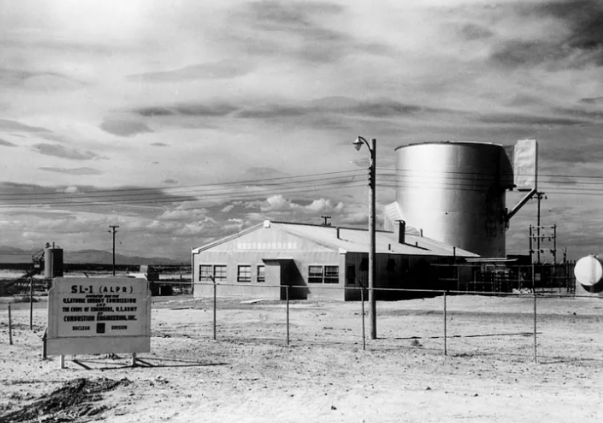
Photo – Wikimedia Commons
What Remains in Arco Today
Arco, Idaho, today is a town of around 850 people. But it also rewards visitors who take the time to get to know the place. Number Hill rises just behind the city’s main street. It’s a rocky slope painted with graduation class numbers that go back to the 1920s. Local high school seniors have climbed that hill every year since then to add their class year to the rock face. It’s a simple tradition, but it connects generations in a way that feels genuine.
Also, in town there is a decommissioned submarine sail. It’s the steel conning tower from the USS Hawkbill. It’s there as a monument, a connection between nuclear science and the United States Navy. The Idaho National Laboratory (INL) trained generations of Navy nuclear engineers nearby. The EBR-I Atomic Museum, eighteen miles outside of town on US Highway 20, is free to enter. It’s open from late May through early September. The original reactor, control room, and equipment remain largely intact. It may be one of the most undervisited historic sites in the American West.
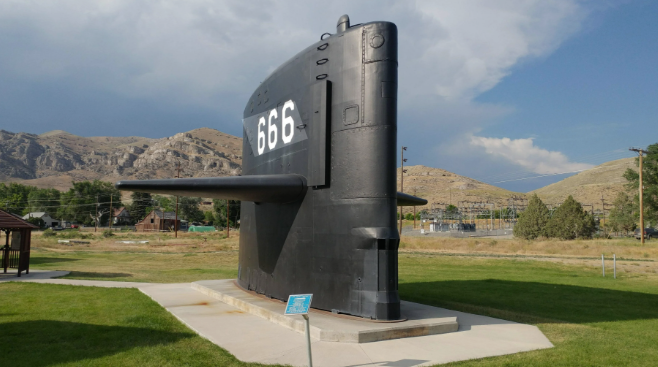
Arco, Idaho – Where the Desert Meets the Future
Arco is a place where deep time and modern science meet. The Snake River Plain and its ancient lava flows became the proving ground for an idea that now powers cities across the world. Arco’s story belongs to the broader American West. It’s a region that has always been shaped by people that have…dared to attempt. Arco, Idaho, is a small desert town that asked an important question. The answer lit up the world with the hope of new energy.
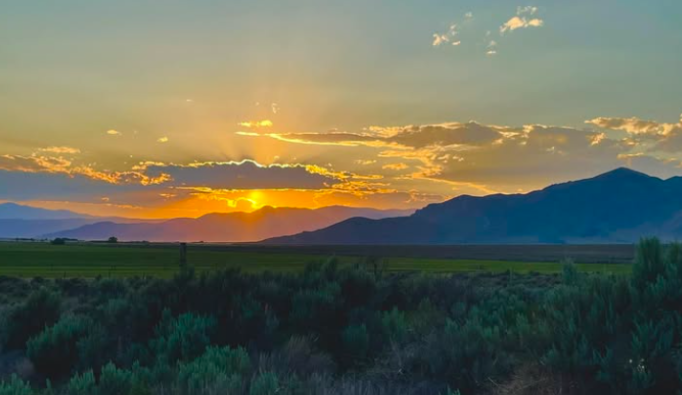
Photo – Chelsea Vick
- If you’re curious, here are more articles about interesting people, places, and things in Idaho.
Discover more from TheCuriousOnlooker
Subscribe to get the latest posts sent to your email.