What is the Forgotten WWII Camp Hidden in Utah’s Desert?
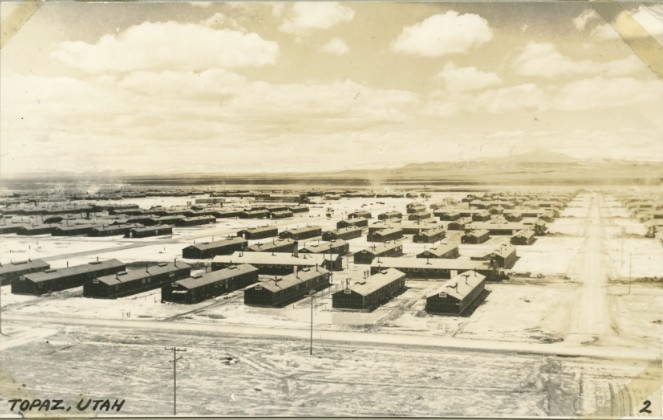
The Topaz Internment Camp was a World War II prison camp for Japanese Americans. It was located (and still is) in the desert of west-central Utah. It is roughly 16 miles west of the small town of Delta. At its peak, nearly 11,000 people were confined there, making Topaz one of the largest cities in Utah at the time. Most had done nothing wrong. They lost their homes, their businesses, and their freedom because the United States government feared that Americans of Japanese descent might be loyal to Japan. That fear, history has since confirmed, was unfounded.
Highlights
- What was the Topaz Internment Camp? A: The Topaz Internment Camp, formally called the Central Utah Relocation Center, was a World War II incarceration site near Delta, Utah, where nearly 11,000 Japanese Americans were forcibly held by the U.S. government between 1942 and 1945.
- Where is the Topaz Internment Camp located? A: The Topaz Internment Camp site is located approximately 16 miles west of Delta, Utah, in Millard County, accessible by a gravel road through open desert.
- How many people were held at the Topaz Internment Camp? A: At its peak, the Topaz Internment Camp held nearly 11,000 Japanese American residents, making it one of the largest population centers in Utah at the time.
- What is the best time to visit the Topaz Internment Camp site? A: Spring and fall are the most comfortable seasons to visit the Topaz Internment Camp site near Delta, Utah, as summer temperatures can exceed 100°F and winter conditions may make the gravel access road difficult.
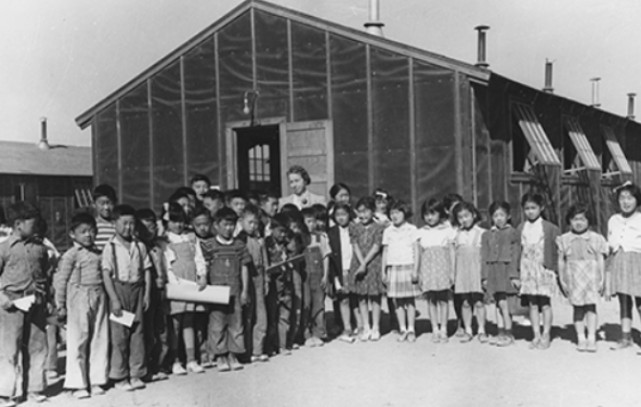
Photo: University of Utah J. Willard Marriott Library
How the Topaz Internment Camp Came to Be
The Topaz Internment Camp was created in 1942 after President Franklin D. Roosevelt signed Executive Order 9066, which authorized the forced removal of Japanese Americans from the West Coast. Within weeks of the order, families from San Francisco and the surrounding counties of Northern California were told to pack what they could carry and report for removal. They had just days to abandon homes, close businesses, and surrender pets. The camp’s formal name was the Central Utah Relocation Center, though it quickly became known simply as Topaz — named after the nearby Topaz Mountain.
The site in Millard County, Utah, was chosen partly because it was remote and flat. Construction was rushed. By September 1942, the first residents arrived to find barracks still being built around them. The camp eventually covered one square mile and held over 8,000 residents at opening, growing to nearly 11,000 at its highest point. Topaz remained in operation until October 1945, when the last residents were released after three years of confinement.
Life in Topaz
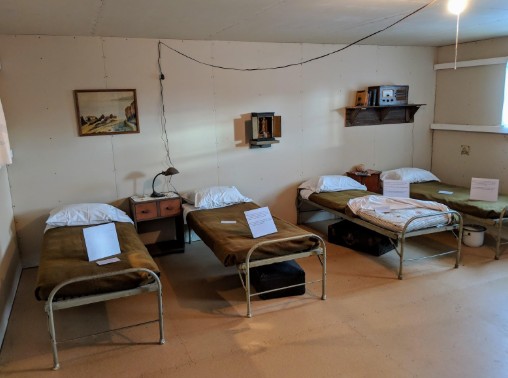
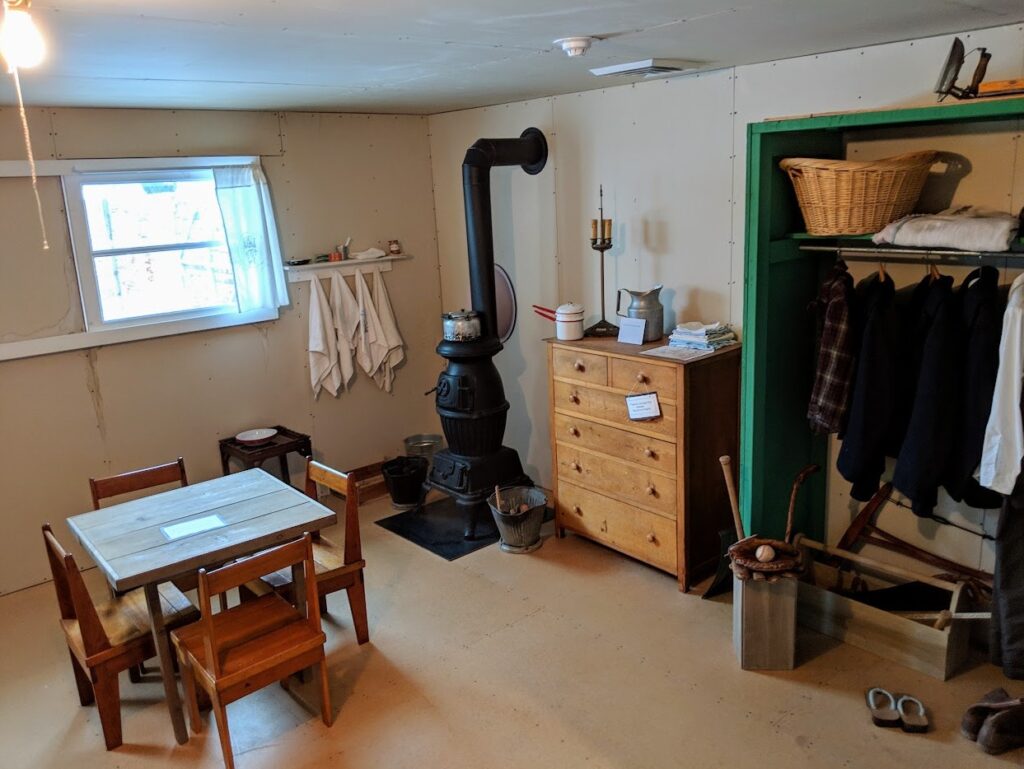
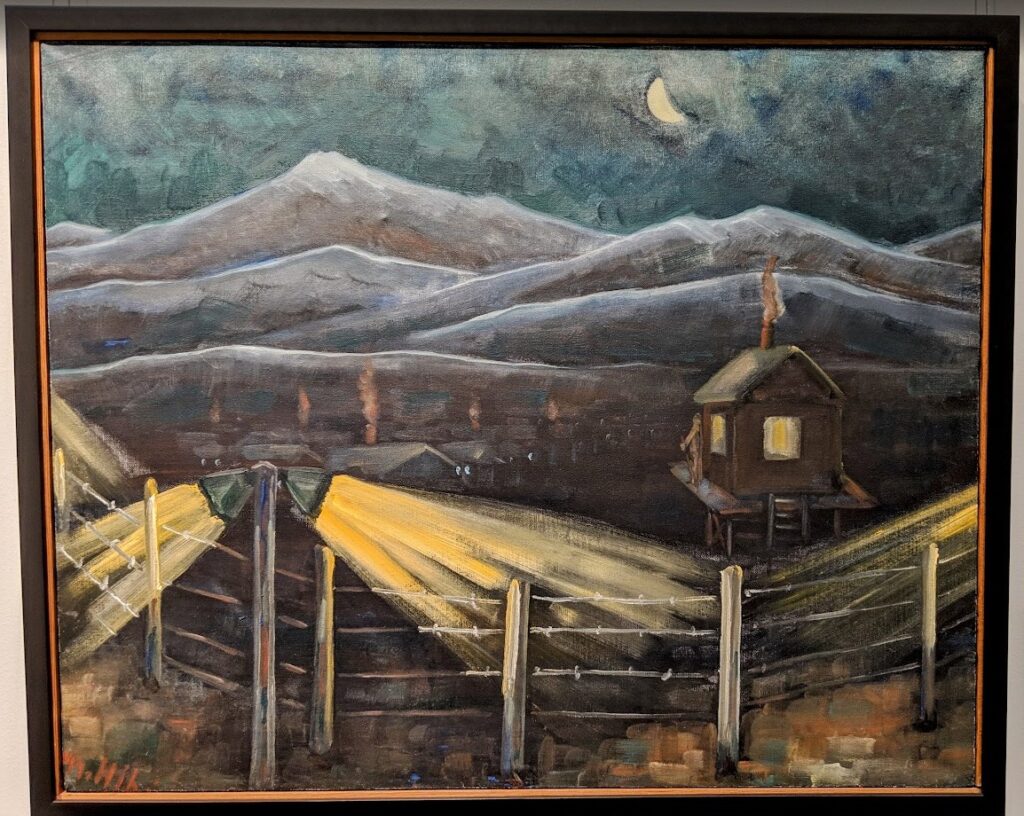
Daily life inside the Topaz Internment Camp was shaped by dust, cold, heat, and a quiet determination to stay human under difficult conditions. The high desert of Millard County, Utah, brought extreme temperatures — searing summers above 100°F and winters that dropped well below freezing. Residents lived in thin-walled wooden barracks divided into small rooms. Entire families shared a single space. Communal bathrooms and dining halls offered little privacy. Watchtowers and barbed wire fences made the loss of freedom impossible to ignore.
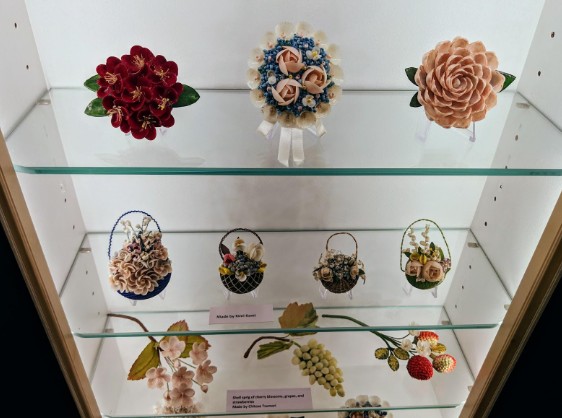
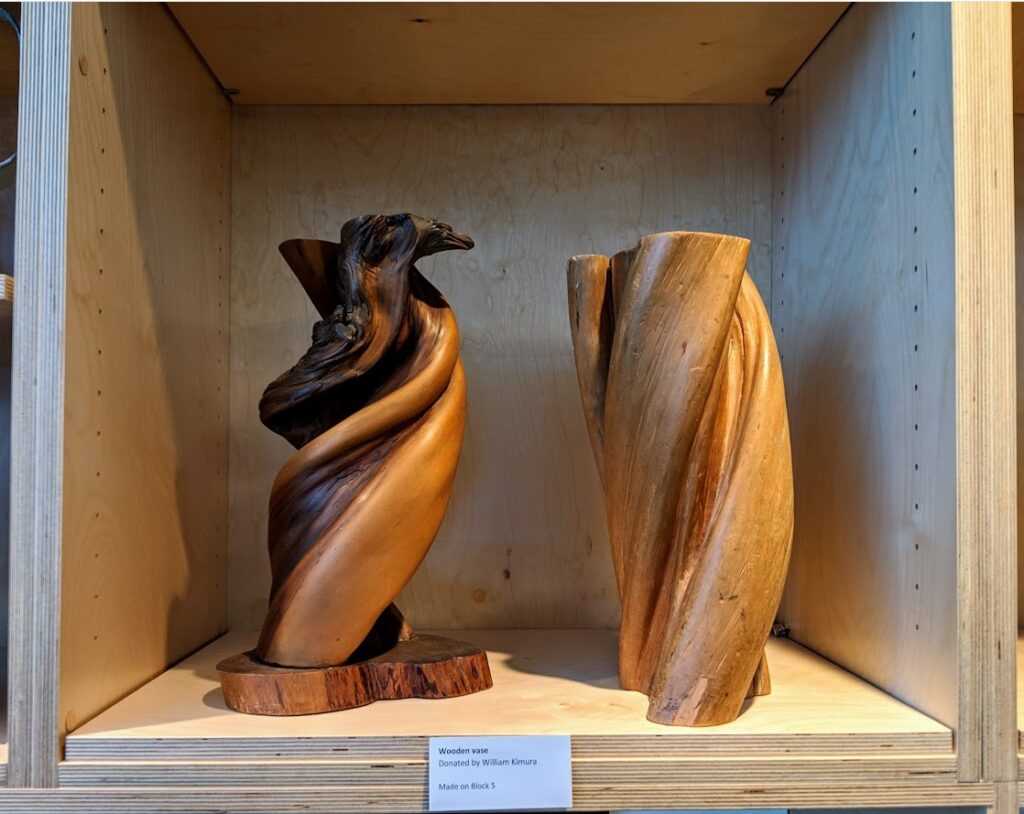
Despite these conditions, the people of Topaz built something remarkable inside the fences. Children attended school in camp buildings. Adults took jobs as teachers, nurses, cooks, and clerks. Residents planted gardens to grow fresh food and soften the look of the bare desert ground. Artists created paintings, sculptures, and intricate works made from shells and scraps of salvaged materials. A camp newspaper called the Topaz Times was published regularly. These efforts were not signs that confinement was acceptable — they were proof that the people held there refused to stop living.
Visiting Topaz Today
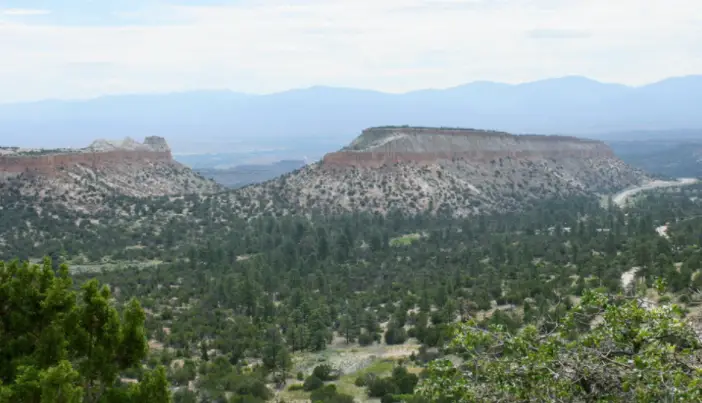
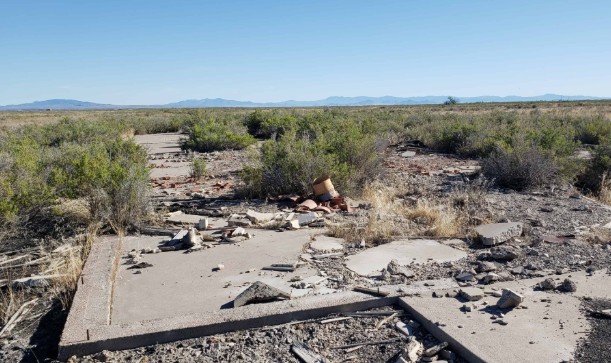
The Topaz Internment Camp site sits on open land approximately 16 miles west of Delta, Utah, accessible by a gravel road through flat desert terrain. There is no formal entrance fee to visit the grounds. Markers identify where barracks, guard towers, and other structures once stood. The site is most comfortably visited in spring or fall, when temperatures are moderate — summer heat can be severe, and winter roads can be difficult. Visitors traveling from Salt Lake City should allow roughly two and a half hours for the drive southwest along U.S. Highway 6.
In Delta itself, the Topaz Museum on Main Street offers the most complete picture of life inside the Topaz Internment Camp. The museum holds photographs, personal letters, artwork, and everyday objects left behind by former residents. Guided programs are available for schools and families. Together, the museum in Delta and the open land to the west form one of the most complete World War II internment sites still accessible to the public in the American West.
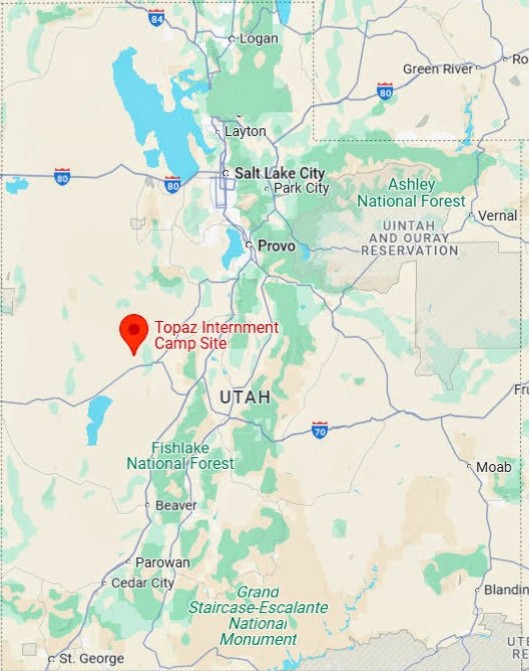
Source: Google Maps
If you travel to Delta, Utah, you can visit the Topaz Museum on Main Street. The museum has photographs, letters, and artwork from people who lived in the camp. These items tell the story of daily struggles and the strength of the people who lived there. The museum also offers programs for students and families. Visitors leave with a better understanding of this part of American history.
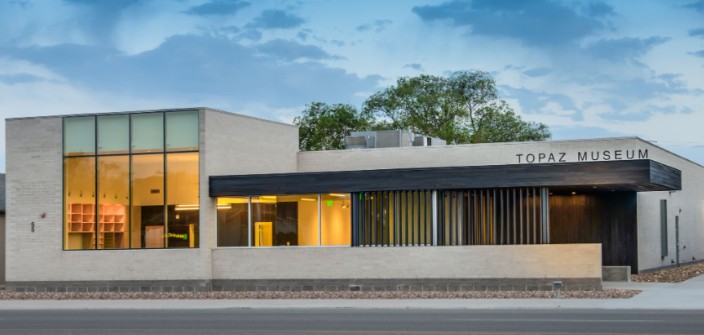
Photo – F R Lambrechtsen
Why Does Topaz Matter?
The Topaz Internment Camp is part of a larger American story about fear, power, and the cost of suspending civil liberties during wartime. The Intermountain West holds many places where the nation tested its own ideals — mining towns, railroad camps, reservation borders — and Topaz stands among the most significant of them. What happened in the Utah desert between 1942 and 1945 was ruled unconstitutional in spirit by later courts and formally apologized for by the United States government in the Civil Liberties Act of 1988, which also provided reparations to surviving internees.
Walking the flat ground near Delta, Utah, where the barracks once stood, a visitor can see very little of the physical camp today. But the landscape itself — wide, windswept, and far from everything — tells part of the story without words. The Topaz Internment Camp was not a footnote. It was the lived experience of nearly 11,000 Americans, and the desert has not forgotten them.
From the Topaz Mountain Museum (Delta, Utah)
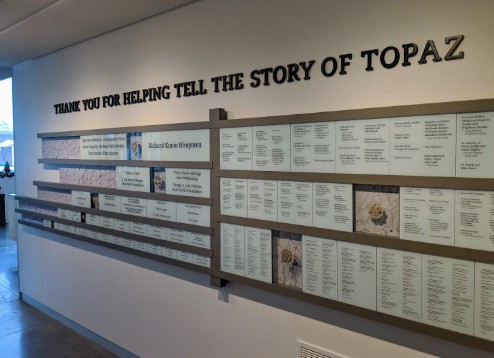
- Densho is a Japanese term meaning “to pass on to the next generation.” Their website has a lot more information about the Topaz Internment Camp near Delta, Utah.
- If you’re curious, here are more articles about interesting people, places, and things in Utah.
Discover more from TheCuriousOnlooker
Subscribe to get the latest posts sent to your email.