
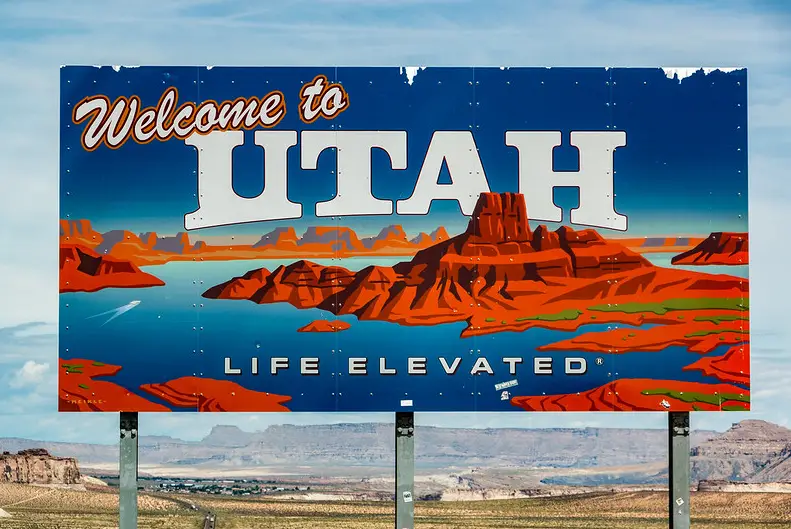
How Did Utah Really Get Its Name?
The answer to the question is: It depends. Ask five different people and you’ll likely get five different answers. This is the clever answer to the question. A more direct answer to the question is: The State of Utah got its name from the Native American people that lived in the territory before the first Europeans arrived. Those people called themselves “Noochee,” meaning “the people.” The first Europeans in the area (Coronado Expedition, Spain, 1540) called these Native Americans, “Yuta,” or “meat eaters.”
Table of Contents
The Ute People: Original Inhabitants of the Mountains
The Utes are Native Americans (also called American Indians) that speak the Numic language. Historians believe these people came from the region that is now the border between Nevada and California. This was about 1000 AD.
In 1990, Jan Pettit published a book called: “Utes, The Mountain People.” In the book she says “Utah” comes from the Ute word, “Yutas,” meaning “the people.” In western America, the neighbors of the Utes are the Pueblo Indians (Colorado, New Mexico, and Texas). In their language, the Pueblo people referred to the Utes as “the mountain people.”
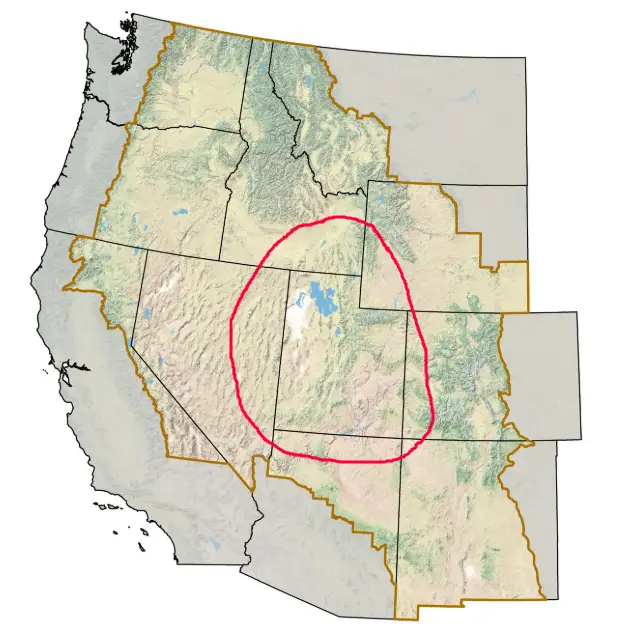
Source: US Geological Survey (USGS) Map, 2016
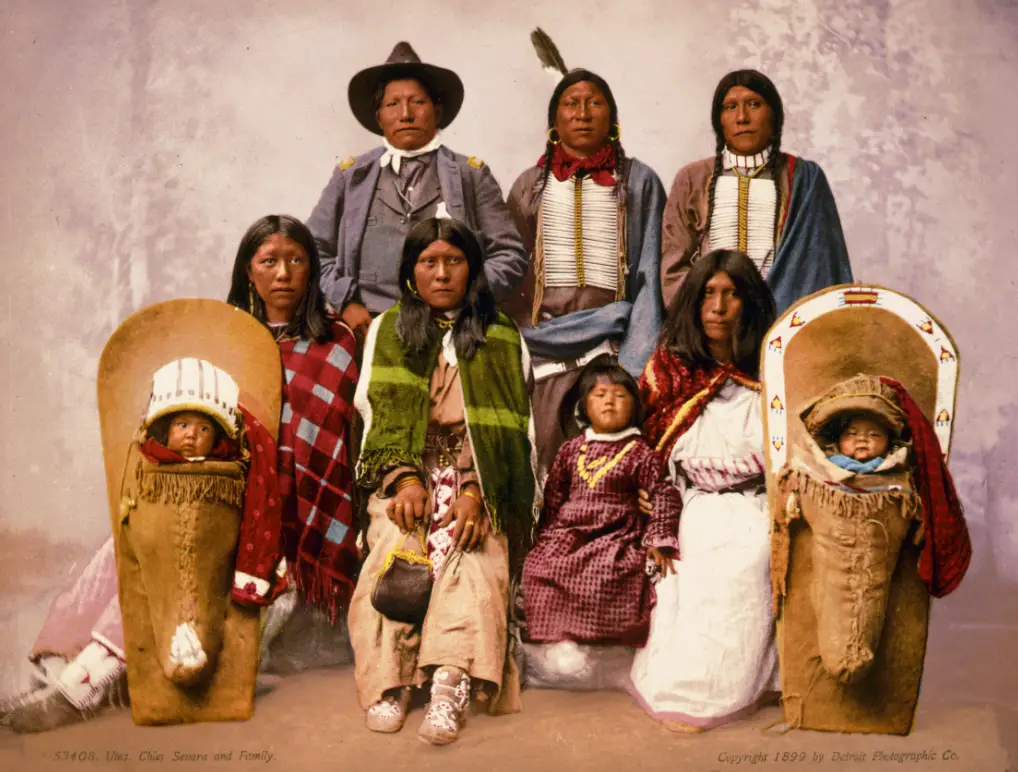
Source: Library of Congress/Detroit Publishing Co.
The First European Encounters: Spain’s Exploration
Spanish explorers were the first Europeans to enter Utah’s territory. In 1540, Francisco Vásquez de Coronado led an expedition through the region. Coronado’s men called the Native Americans they met “Yuta,” which meant “meat eaters.” This name reflected the Ute way of life and hunting traditions.
For over two hundred years after Coronado, few Europeans returned to Utah. The land seemed too harsh and too far from Spanish settlements. Then in 1776, another Spanish expedition came through the territory. Two friars led this group: Fathers Dominguez and Escalante. They were searching for a route to the California coast. The friars traveled north and reached what is now Utah Lake, near present-day Provo. Like Coronado’s men, they found the dry landscape unappealing. The Spanish had no interest in settling this territory. They thought the area was simply too dry for permanent communities.

Source: FRLambrechtsen (2019)
Utah’s Geography: Mountains and Desert
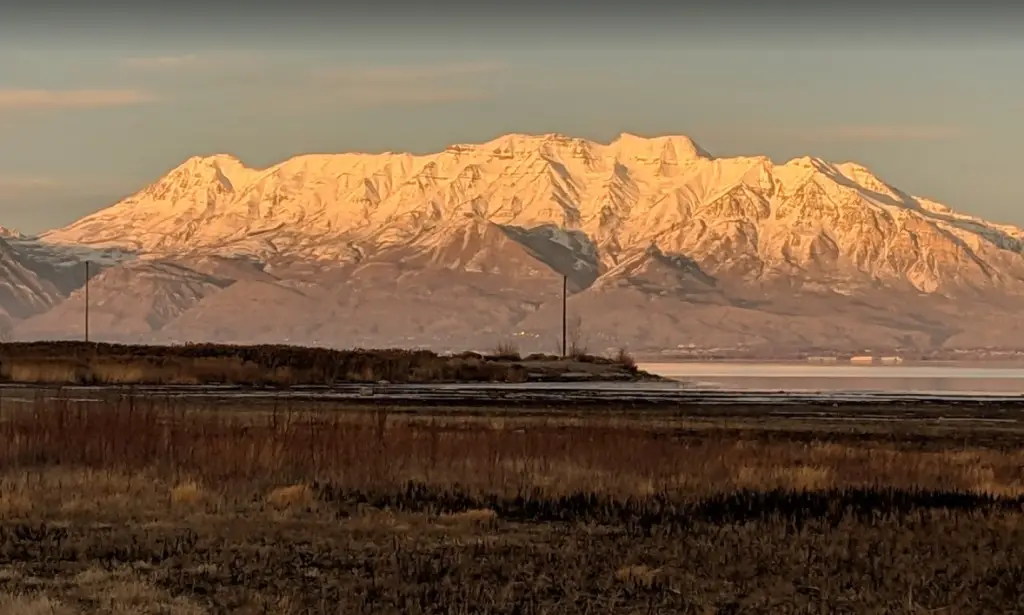
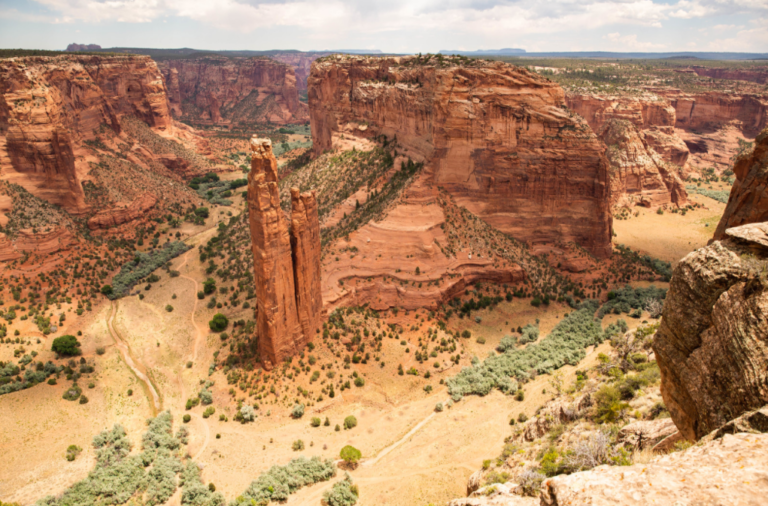
Utah contains some of North America’s most striking landscapes. The western part of the state is mostly dry desert wilderness stretching endlessly. The mountains rise dramatically near Salt Lake City along the “Wasatch Front.” They continue eastward all the way to the Colorado border. This mix of high peaks and red rock creates stunning contrasts.
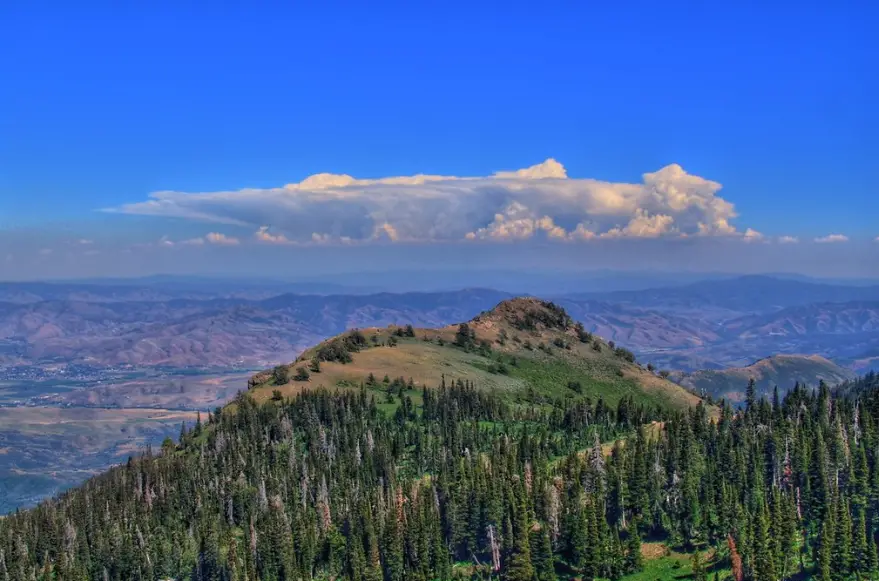
The Uintah Mountains in northeast Utah rank among the state’s highest peaks. Some say they are also the most beautiful. These mountains are near the Uintah-Ouray Reservation, where approximately four thousand Ute tribal members live today. The reservation sits between the towns of Duchesne and Vernal. Mount Timpanogos near Provo reaches over eleven thousand feet into the sky. The Northern Wasatch Mountains near Brigham City offer dramatic views of peaks and valleys. These landscapes shaped how the Ute people lived and moved across their territory for centuries.
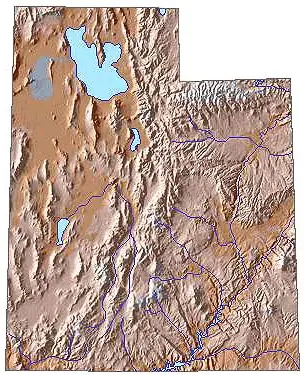
Source: TeacherLink/Utah State University
French Fur Traders and the Beginning of Settlement
The Ute people inhabited this region for centuries. After Coronado (1540), few Europeans visited again. In 1776, another Spanish expedition came through the Utah territory. It was a group led by two friars, Fathers Dominguez and Escalante. They were searching for a route to the coast of California. They reached as far north as what is now Utah Lake (near Provo). The Spanish had no interest in staying. They thought the area was too dry.
In 1825, a French fur trader by the name of Etienne Provost visited the area. (The city of Provo is named after him.) In 1828, a French-Canadian fur trader by the name of Peter Skene Ogden explored the Great Salt Lake, including the rivers that drain into it. Ogden, Utah’s seventh largest city, is named after him.
Source: FRLambrechtsen (Feb 2018)
A Church and Utah’s New Chapter
In 1847, the largest migration of Europeans into the territory began. These were Mormons, members of the Church of Jesus Christ of Latter-day Saints. They were persecuted, driven out of the eastern United States. They came to the Utah territory seeking peace, refuge, and a safe place to practice their religion. It can be argued that migration is still continuing to this day.
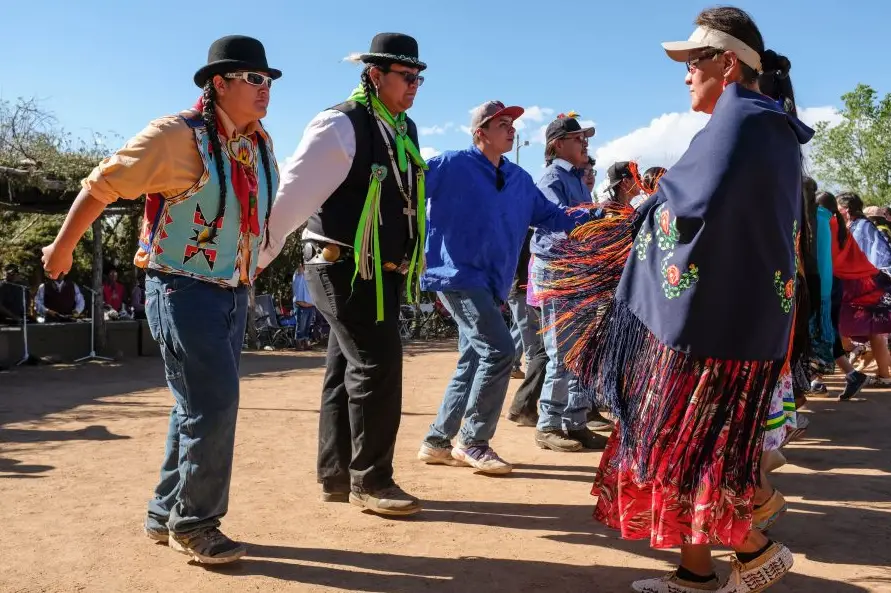
Today, the total population of Utah is a little over 3 million. Of that, about 4,000 are members of the Ute tribe living on or near the Uintah-Ouray Reservation in the northeast part of the state (between Duchesne and Vernal). The reservation is near the Uintah Mountains, some of Utah’s highest, and some would say, most beautiful.
Source: flickr/Mike Christensen
Utah’s Legacy: A Name That Honors the First People
Utah stands as one of the few American states whose name directly honors Native Americans. The word “Utah” traces back through Spanish pronunciation to the Ute word “Yutas,” meaning simply “the people.” This linguistic journey spans centuries and connects past to present. Every time someone speaks the state’s name, they unknowingly acknowledge the Ute Nation.
The state calls itself “The Beehive State,” but visitors know it for other reasons. Utah offers the “greatest snow on Earth” in its mountains. It displays vast, parched deserts that stretch to the horizon. Its alpine vistas inspire photographers and hikers from around the world. Some of America’s most visited national parks sit within its borders. Yet few visitors understand that their state’s very name comes from the indigenous people who lived there first. The Ute people lent their identity to the landscape itself. In the Ute language, saying “Tog’oiak'” means “thank you.” It is a fitting word to remember when exploring this remarkable western state and learning its true origins.
Source: flickr/Jeremy Wade Shockley
- For more about the First Utahns, have a look here.
- If you’re curious and would like to know more about interesting people, places, and things in Utah, then stop here and browse around.
Discover more from TheCuriousOnlooker
Subscribe to get the latest posts sent to your email.
Something interesting I picked up from this article that I probably should have already known: Escalante was named after a catholic priest. Had no idea. I’m curious if there are any old Spanish missions in Utah?
Apologies. I’ve been neglegent about replying. There are no historic Spanish colonial missions in Utah. Spanish leaders came to believe the territory difficult to reach because of the rugged terrain. They also thought it didn’t have the natural resources (gold, silver, etc.) to support missions.
As you may know, California has many missions that still exist. They’re located up and down the coast…from the Bay Area down to the San Diego area. They’re beautiful. Definitely worth a stop, if you have time. Any in Utah? Sadly, no. The Spaniards probably considered the Utah area to be too arid and inhospitable for missions (small colonies).