City of Rocks Idaho: Spectacular Granite Towers on the Oregon Trail
Long before highways crossed southern Idaho, travelers spotted a strange skyline rising from the sagebrush. Massive towers of granite stood above the valley. They were like the ruins of a giant stone city.
Today, City of Rocks Idaho remains one of the most remarkable landscapes in the American West. Pioneers, mountain climbers, and photographers all come for the same reason. The scenery feels both ancient and unexpected. It is a place where geology, history, and adventure meet beneath a wide western sky.
Table of Contents
The Granite City That Nature Built
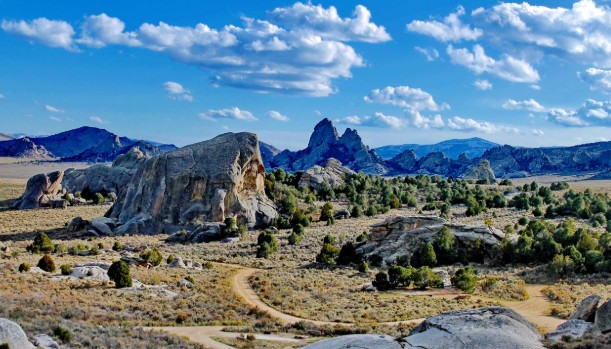
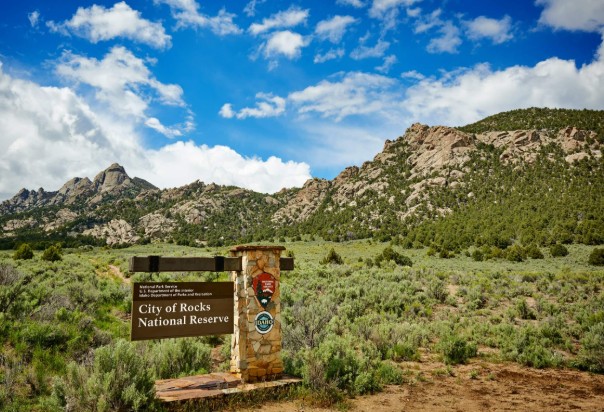
At first glance, City of Rocks looks almost impossible. Giant granite formations rise hundreds of feet above the desert floor. Some look like castles. Others look like church steeples or giant stone walls. Wind, rain, freezing temperatures, and time slowly shaped these rocks over millions of years.
The granite itself is extremely old. Geologists believe much of it formed deep underground millions of years ago. Over time, erosion removed the layers above it and then exposed the stone we see today. Cracks formed in the granite. Water entered these cracks. Freezing winter temperatures made the cracks bigger. The result was a landscape filled with spires, domes, and balanced rocks.
Visitors often compare the area to a sculpture garden. At almost every turn there are different shapes and formations. At sunrise and sunset, the granite glows with shades of color. The changing light helps make City of Rocks one of Idaho’s most photographed locations.
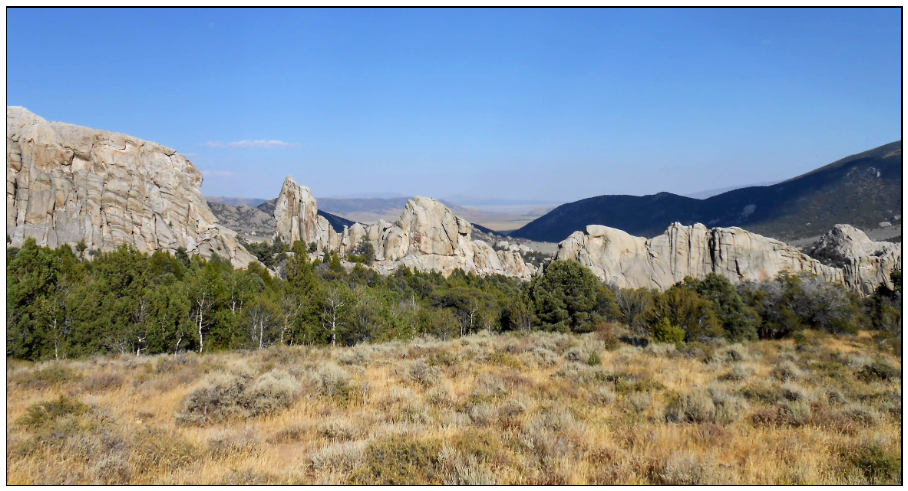
Photo – FRLambrechtsen
City of Rocks Idaho and the Oregon Trail
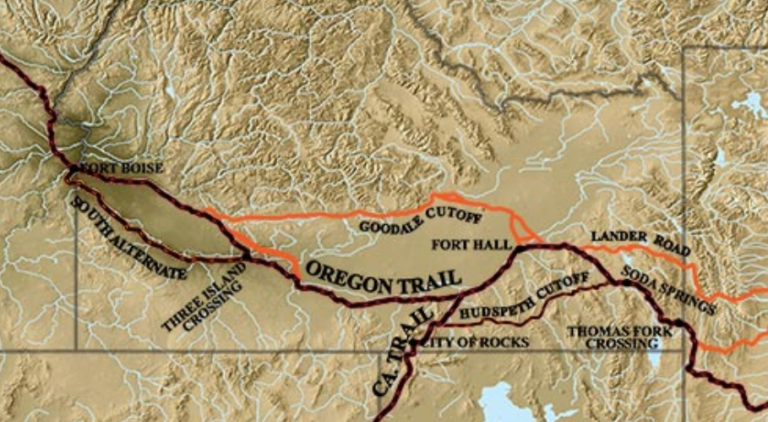
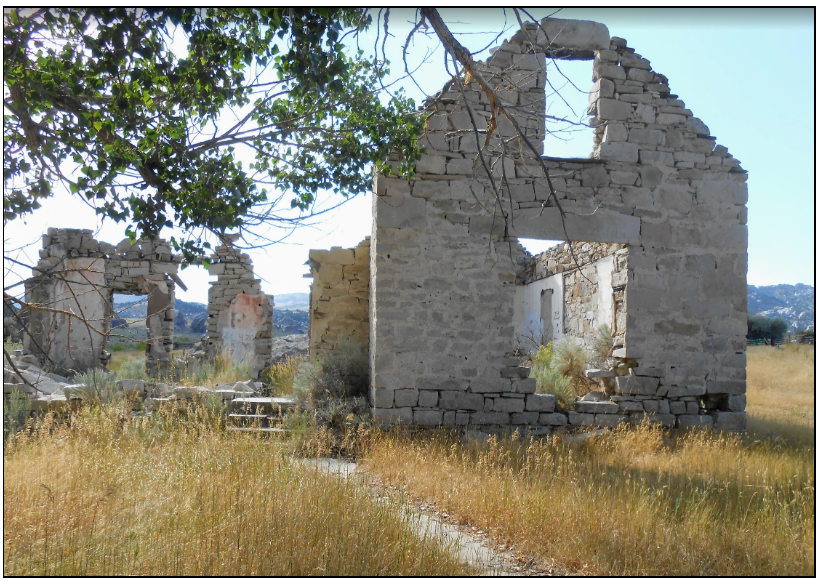
During the 1840s and 1850s, thousands of pioneers passed through this region. Many followed the California Trail. It shared a lot of the same route as the Oregon Trail across southern Idaho. After weeks of crossing plains and deserts, travelers often described City of Rocks as one of the most memorable sights on their journey.
The rocks served as important landmarks. Wagon trains could spot them from miles away. Emigrants gave names to many of the formations, including Twin Sisters and Elephant Rock. Some travelers even compared the area to a city built by human hands.
Many pioneers left their names on the rocks using axle grease from their wagons. Some of those signatures can still be seen today. These markings connect modern visitors directly to people who crossed the continent nearly two centuries ago.
For exhausted families heading toward Oregon or California, the area also offered water, grass, and a place to rest. The giant rocks became silent witnesses to one of the largest migrations in American history.
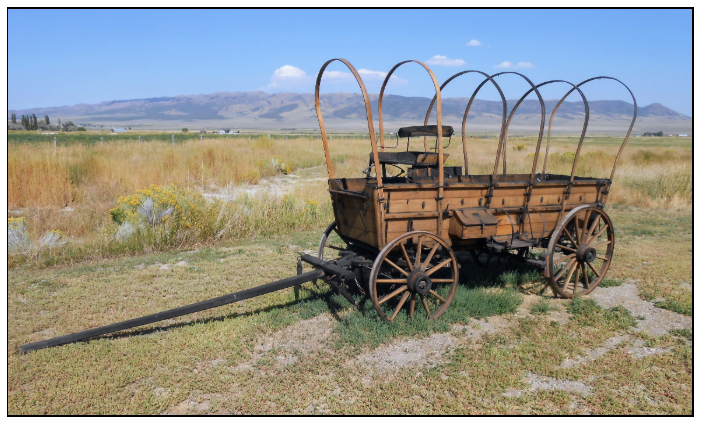
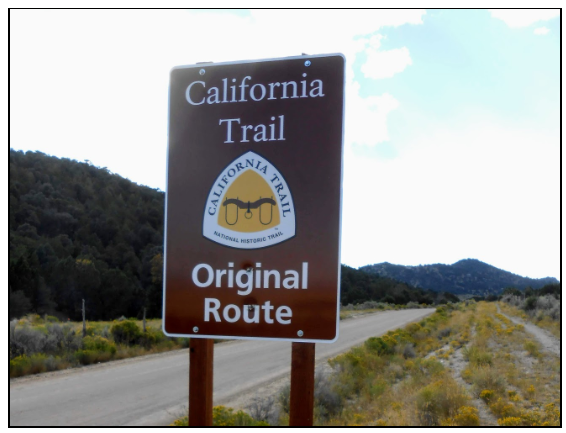
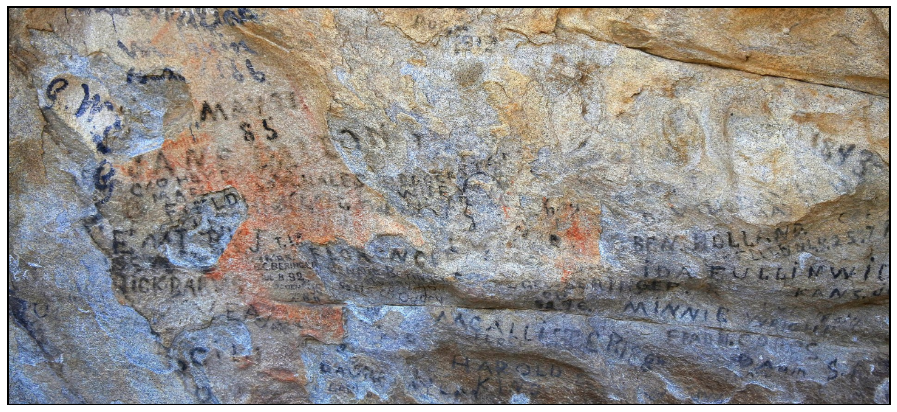
Photo – NPS.gov
A Haven for Climbers and Adventurers
Today, City of Rocks National Reserve attracts visitors from around the world. One major reason is rock climbing. The granite walls provide hundreds of climbing routes ranging from beginner-friendly ascents to difficult technical challenges.
Climbers appreciate the solid granite and the wide variety of formations. Some routes follow narrow cracks. Others climb smooth faces high above the valley floor. The reserve has become one of the premier climbing destinations in North America.
Yet climbing is only part of the experience. Visitors can hike among the formations, explore quiet valleys, or camp beneath the towering rocks. Wildlife is often visible during early morning and evening hours. Mule deer move through the sagebrush. Golden eagles circle overhead. Coyotes can sometimes be heard after sunset.
Unlike many crowded parks, City of Rocks often feels peaceful and remote. Visitors can walk among giant formations and still find moments of solitude. That sense of space is one of the main reasons visitors come to City of Rocks.
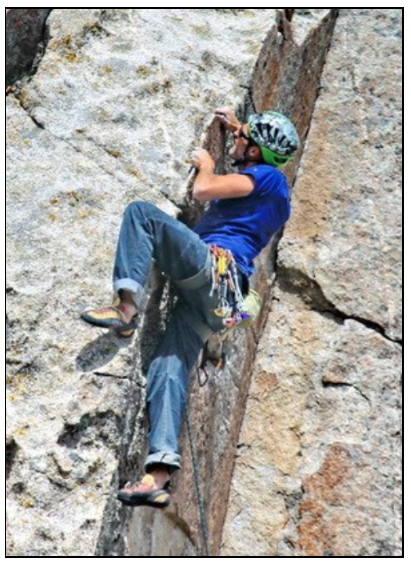
Place your protection. Remove your protection.
Photo – NPS.gov
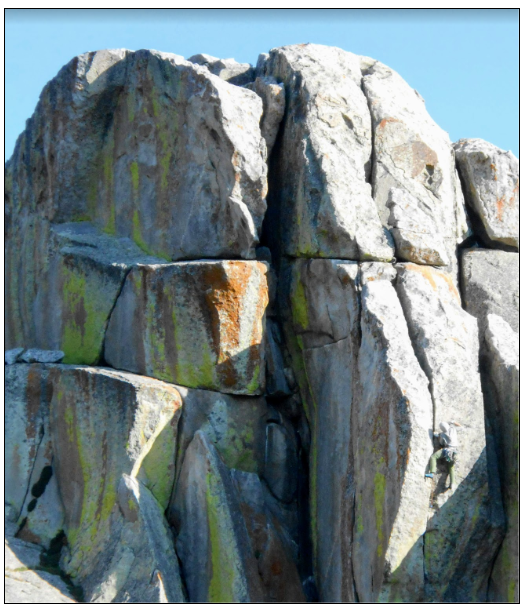
Photo – FRLambrechtsen
Wildlife Beneath the Stone Towers
Although the granite formations receive most of the attention, the surrounding ecosystem is equally important. The reserve sits where several habitats meet. Desert plants, mountain vegetation, and grasslands all exist within a relatively small area.
Sagebrush covers much of the lower ground. Juniper trees grow along rocky slopes. During spring, colorful wildflowers appear between the rocks and across open meadows. The changing seasons bring different sights throughout the year.
Wildlife has adapted well to this rugged landscape. Mule deer are common. Pronghorn antelope may be seen in nearby valleys. Small mammals, including ground squirrels and chipmunks, dart among the rocks. Birdwatchers often search for hawks, falcons, and eagles.
The granite formations also provide shelter for many species. Crevices and cracks create spaces where animals are protected from harsh weather and predators. Together, the plants, animals, and rock formations create a balanced environment that has endured for thousands of years.

City of Rocks National Reserve, Idaho
How to Get There
City of Rocks National Reserve is located in south-central Idaho. It’s near the small community of Almo, about 50 miles south of Burley. For many visitors, the easiest approach is by car. Travelers arriving from the eastern US or from overseas often find it convenient to fly into Salt Lake City International Airport. It offers a large selection of domestic and international flights. From there, the drive is about three hours. Follow Interstate 84 north and west into Idaho. Take Exit 216 at Declo and continue through Albion and Almo to the reserve. The route has signs all along the way and passes through scenic valleys and high-desert country.
Visitors coming from the West may prefer flying into the Boise Airport. From Boise, the drive is approximately three hours via Interstate 84 east to Burley. After that, follow State Highway 27 south toward Almo and City of Rocks. Travelers already exploring southern Idaho will find the reserve an easy side trip from Burley, Twin Falls, or the nearby Craters of the Moon National Monument and Preserve. While the reserve might feel remote once you arrive, the roads are paved almost the entire way. The City of Rocks is one of the most accessible natural landmarks in the Intermountain West. (If thinking about a visit, here are 10 tips to consider.)
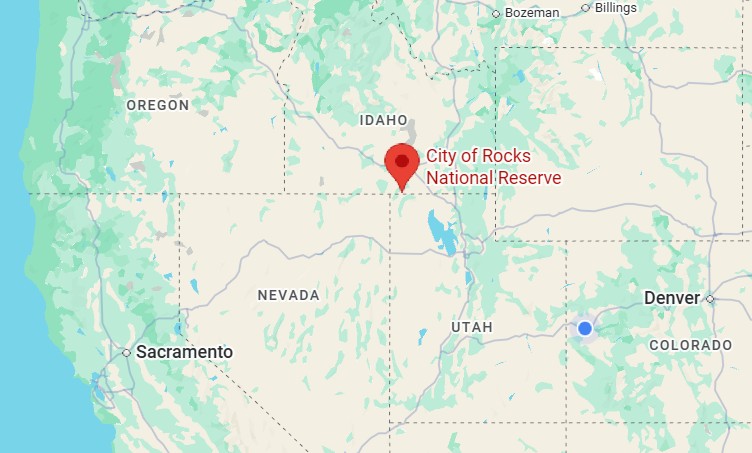
Google Maps
Echoes Across the Western Horizon
City of Rocks Idaho is more than a collection of unusual formations. It is a place where several stories come together. Ancient geological forces created the beautiful granite landscape. Pioneer families crossed beneath those same rocks on their journey west. Modern visitors arrive seeking adventure, beauty, and a connection to the past.
The reserve reminds us how large and varied the American West truly is. At City of Rocks, history is not locked away in a museum. It’s on display beneath the open sky. Wagon trail memories, wildlife, and ancient stone share the same landscape. Few places capture the spirit of the American West quite like City of Rocks. The granite towers still watch over the valley…just like they did when pioneer wagons rolled toward the horizon.
Discover more from TheCuriousOnlooker
Subscribe to get the latest posts sent to your email.