
Medicine Bow Mountains: 5 Reasons Wyoming’s Snowy Range Stays With You
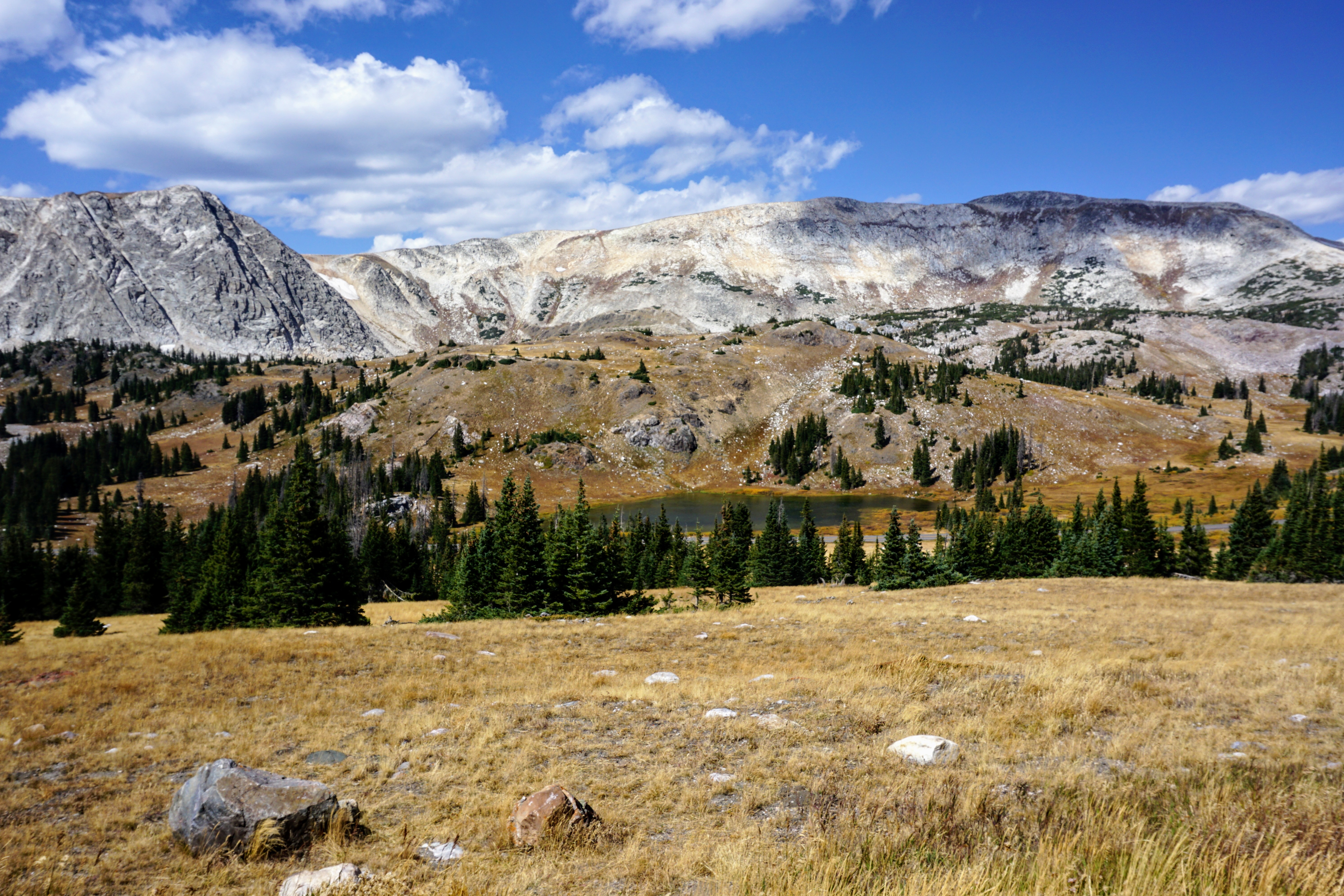
The Medicine Bow Mountains rise high above southeastern Wyoming. At first glance, they seem wild and cold. But visitors often discover something different. Clear lakes, quiet forests, and sweeping mountain views create a place that feels rugged and welcoming. For thousands of years, people have traveled into these mountains to hunt, heal, and reflect. Today, the Medicine Bow Mountains remain one of Wyoming’s most memorable landscapes. They offer a blend of natural beauty, history, and Western heritage.
Table of Contents
The Medicine Bow Mountains and the Snowy Range
The Medicine Bow Mountains form part of the southern Rocky Mountains in southeastern Wyoming. Their highest point, Medicine Bow Peak, reaches nearly 12,000 feet above sea level. Snow often stays on the tallest slopes well into summer.
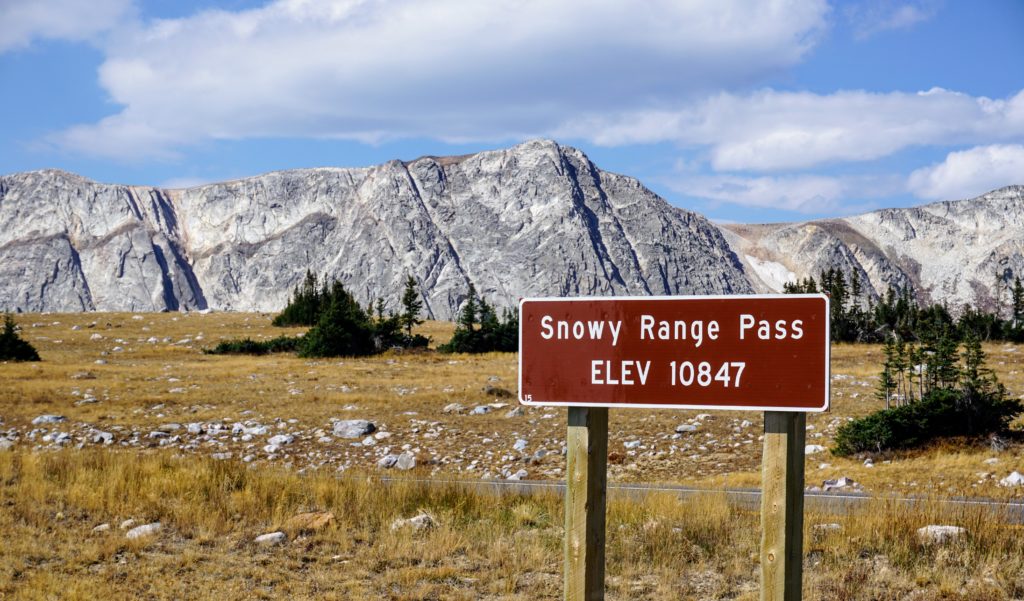
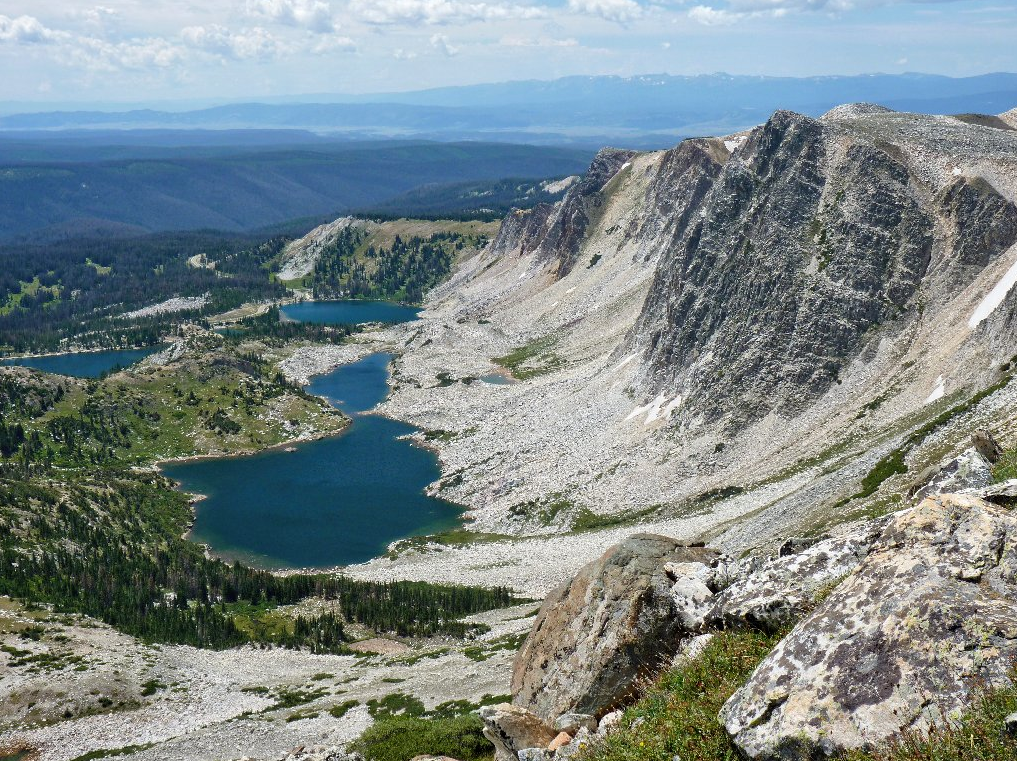
The range is best known for the Snowy Range Scenic Byway. This mountain road climbs through forests of lodgepole pine and spruce before reaching open alpine country. Along the way, travelers pass lakes carved by glaciers thousands of years ago.
The mountains may seem remote, but they are still very accessible. Visitors can reach the area from Laramie and Fort Collins. The easy access has made the region a favorite destination for campers, hikers, anglers, photographers, and families seeking cooler temperatures during the summer months.
From the area’s high overlooks, visitors can see miles of peaks, forests, and valleys stretching across the horizon. On clear days, the landscape seems endless. The scenery and peaceful surroundings are reasons why these mountains leave such a lasting impression.
Native Peoples and Ancient Connections
Long before there were highways and campgrounds, Native American peoples traveled through the Medicine Bow Mountains. Archaeological evidence suggests that humans visited this region for thousands of years. Tribes including the Northern Arapaho, Northern Cheyenne, Eastern Shoshone, and Oglala Lakota used the area for hunting.
The mountains provided food, shelter, and important natural resources. Large stands of lodgepole pine supplied the wood needed for teepees. Streams, lakes, and forests supported wildlife, including elk, deer, moose, and other animals.
The word “medicine” in the name of the mountains is often linked to Native traditions. Many tribes viewed certain places in the mountains as special locations. These were used for spiritual practices and healing ceremonies. Mineral springs in the area also attracted visitors. (This TCO article has more on the region’s native inhabitants and how they lived.)
These ancient connections remind modern visitors that the mountains are more than just a scenic destination. They are part of a long human story stretching back thousands of years across the American West.
The Tragedy of United Flight 409
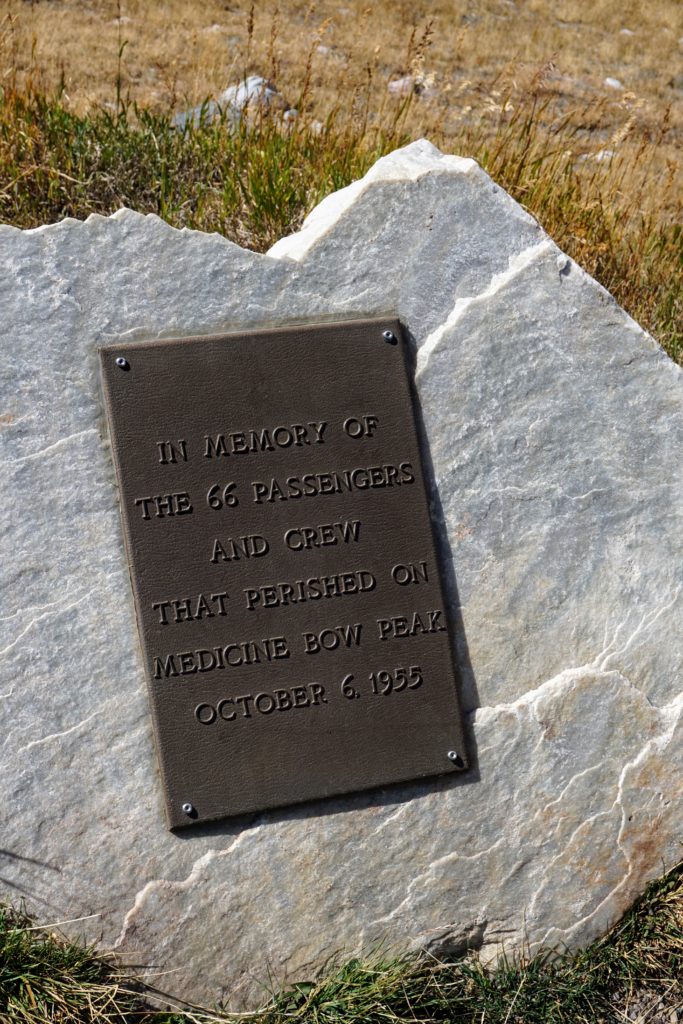
The Medicine Bow Mountains are also linked to one of Wyoming’s most heartbreaking aviation disasters. On October 6, 1955, United Airlines Flight 409 crashed into Medicine Bow Peak during poor weather conditions.
All 66 people aboard lost their lives. At the time, it was one of the deadliest airline accidents in American history. The victims included members of the famous Mormon Tabernacle Choir and other passengers traveling across the country.
Today, visitors can find memorials and plaques near the scenic byway that honor those who died. These markers provide a quiet place for reflection amid the beauty of the mountains.
The tragedy became an important part of Wyoming history and helped contribute to improvements in aviation safety. For many travelers, encountering these memorials creates a powerful contrast between the area’s breathtaking scenery and the difficult events that occurred there.
The story serves as a reminder that the American West contains both inspiring landscapes and poignant human histories.
Why Visitors Return Again and Again
Many people visit the Medicine Bow Mountains once and find themselves returning years later. The reasons are easy to understand.
The mountains offer something increasingly rare: space, quiet, and a chance to slow down. The wind moves through the trees. Clouds drift across high peaks. Lakes reflect the sky like mirrors. Everyday worries seem less important in such surroundings.
Unlike some famous mountain destinations, the Medicine Bow Mountains often feel uncrowded. Visitors can find peaceful trails, quiet fishing spots, and scenic overlooks without large crowds.
Modern improvements along the Snowy Range Scenic Byway have made the area easier to enjoy while preserving much of its natural character. Numerous pullouts allow travelers to stop safely and take in the views.
For photographers, hikers, campers, and casual travelers alike, the mountains offer an experience that feels authentic. The landscape invites visitors to pause, observe, and reconnect with nature.
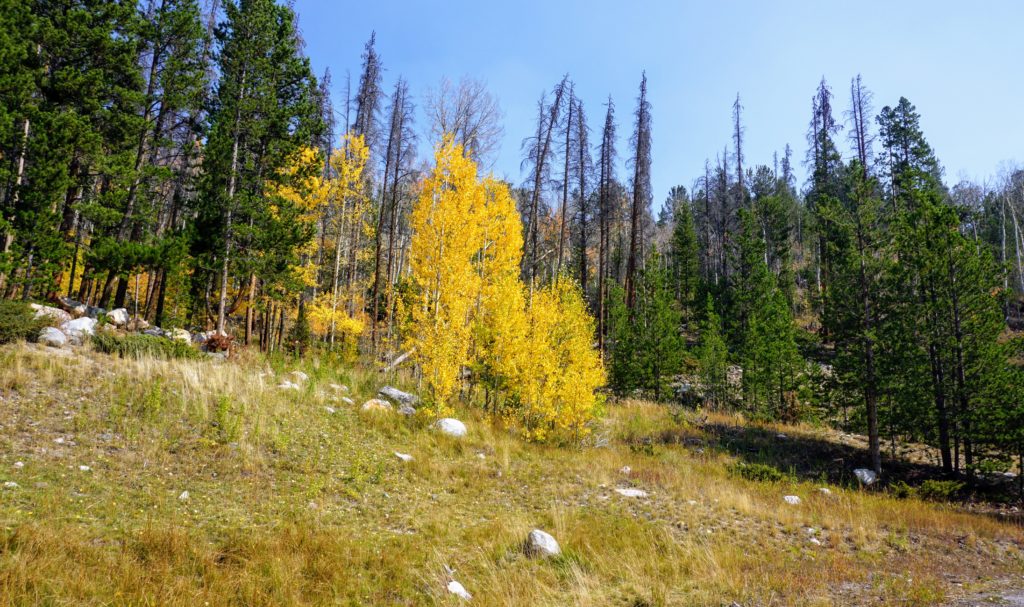
Autumn colors from late August to early October
Photo – F R Lambrechtsen
Photo – F R Lambrechtsen
How to Get There
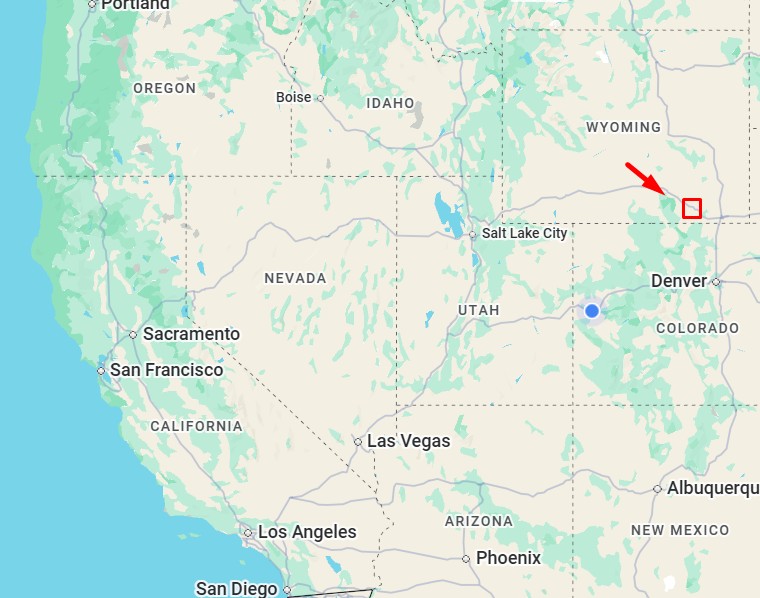
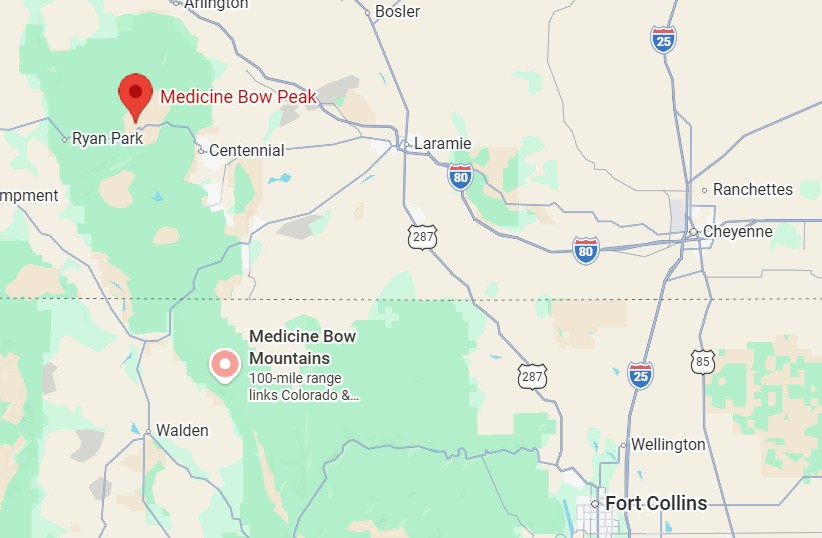
From the north, access is from Laramie, Wyoming. From the south, access is from Fort Collins, Colorado. Highway 130 heads southwest from Laramie into the foothills and then climbs up to the high mountain peaks. Highway 287 leads northwest toward Laramie and eventually meets up with Highway 130.
From either direction, the drive is not difficult. The Aspen trees are the first sign of higher elevations. The pine forests come next. Eventually, the elevation gets so high that the wind and cold make it especially difficult for any trees to take hold and grow. If considering a visit, useful details can be found here.
Southeast Wyoming
Echoes Across the Wyoming Sky
The Medicine Bow Mountains represent much of what makes the American West so compelling. They combine rugged landscapes, Native American heritage, abundant wildlife, and powerful human stories in one remarkable place. Generations have come here seeking resources, adventure, healing, recreation, and inspiration.
The mountains continue to welcome each new visitor in their own quiet way. Whether viewed from a scenic overlook, explored on a mountain trail, or remembered through photographs years later, the Medicine Bow Mountains leave a lasting mark. They stand as a reminder that some of the West’s greatest treasures are not cities or monuments, but wild places where history, nature, and memory meet beneath a wide Wyoming sky.
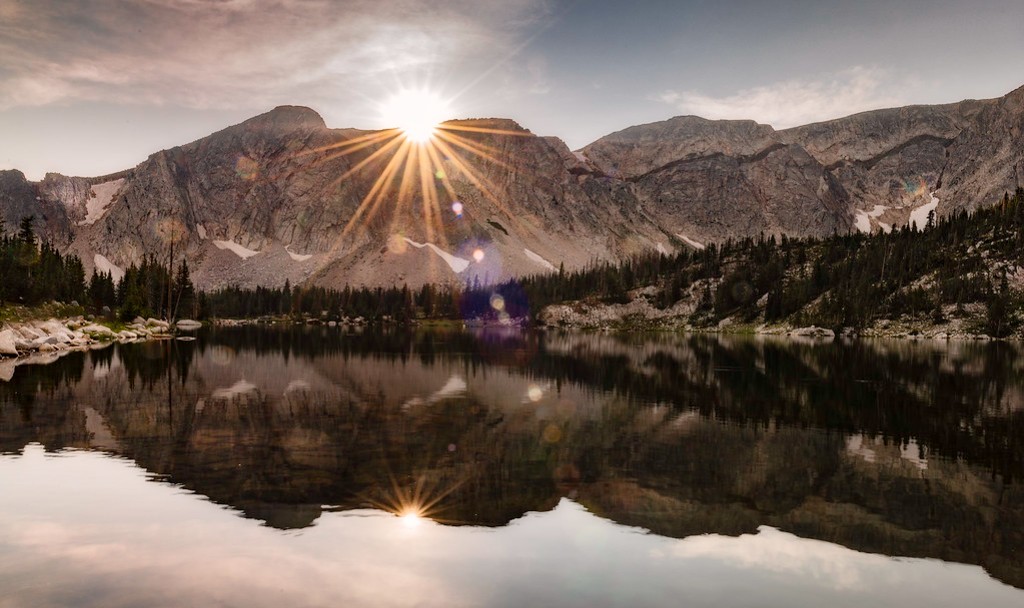
Photo – Nolan Thornberry
Discover more from TheCuriousOnlooker
Subscribe to get the latest posts sent to your email.

Well written. Thanks for sharing the memories.
Thanks, Frits. If you’re ever in that area, it’s a worthwhile detour.
I’ve driven through that area a couple of times and the southern Wyoming/northern Colorado area is absolutely beautiful. It does feel very inviting (minus the ever present wind) and feels like the kind of place that a person could see themselves building a warm cabin. Thanks for the great article!
We were fortunate. The day of our revisit there was practically no wind up there. Just sunshine, blue sky, and some passing clouds. “Awesome” can be a cliche, but it really was that day.