
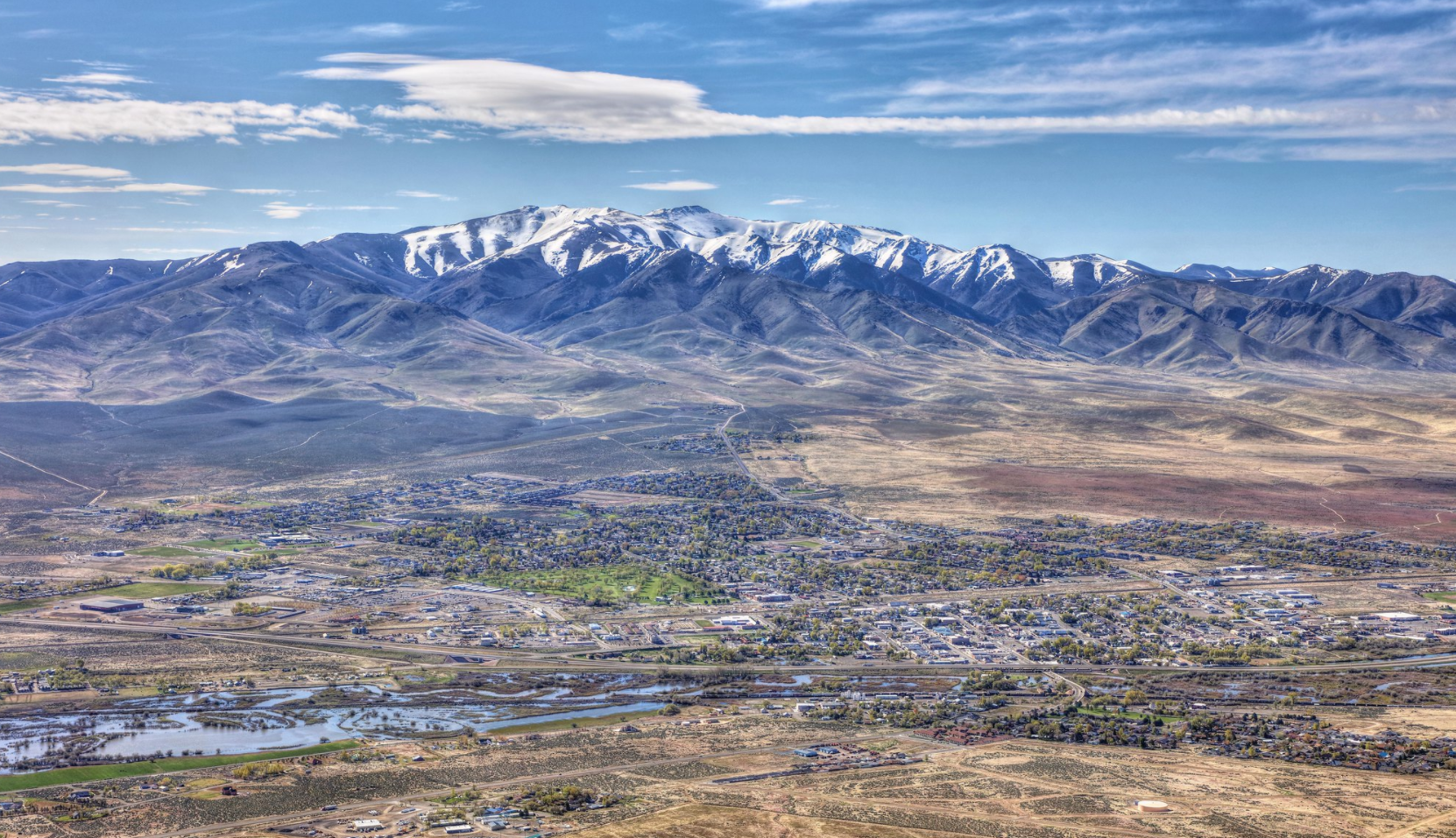
How Did A Bad Face Become the Name of A City in Nevada?
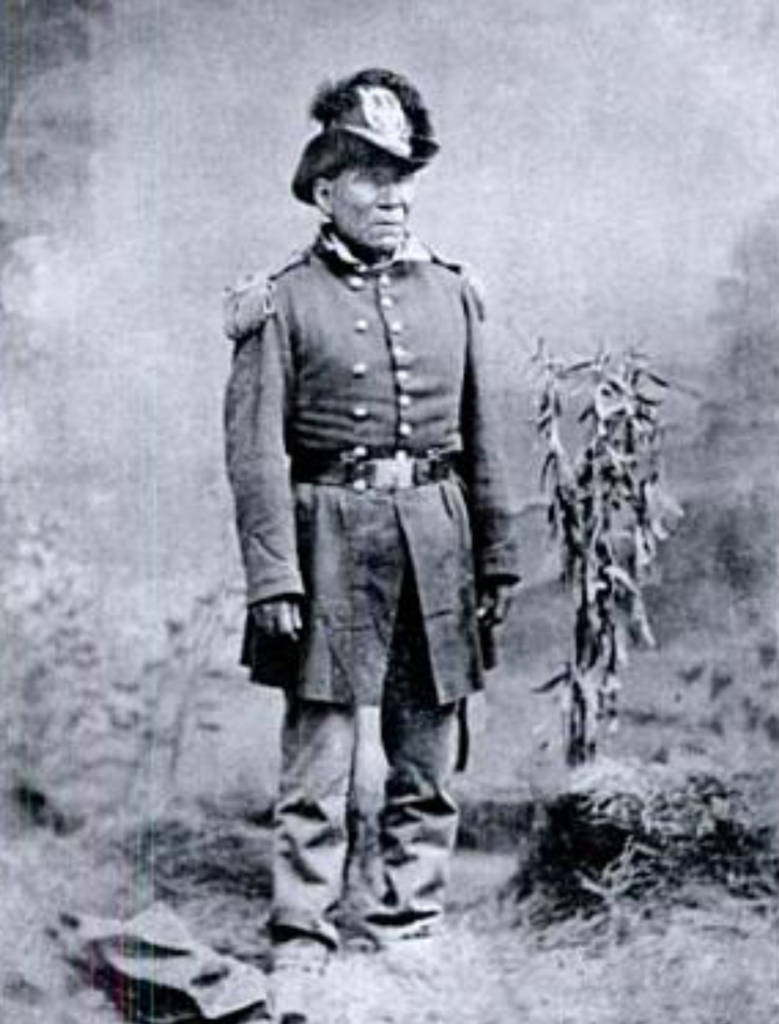
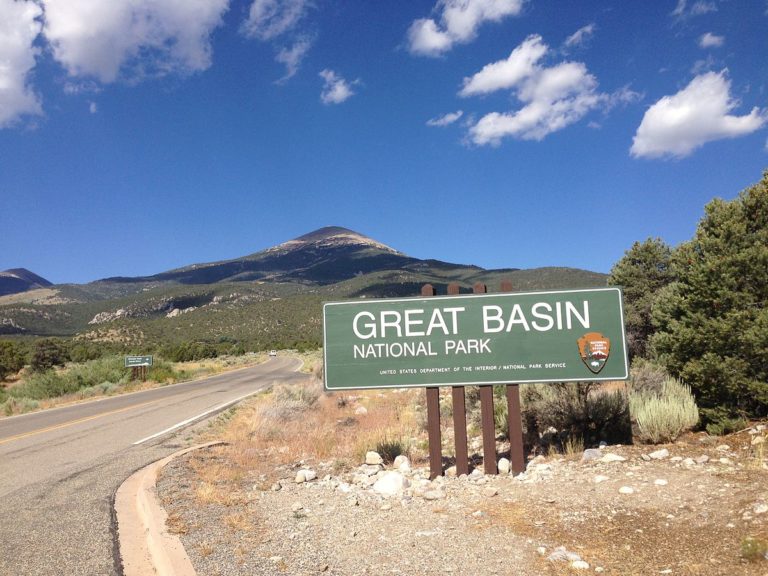
Have you ever wondered how the City of Winnemucca, Nevada, got its name? In the early 1800s, the Great Basin was a vast and wild land. Two prominent Native American tribes lived peacefully across this dry mountain region. They were the Paiute and the Shoshone people. In 1820, a young boy was born to a Shoshone family in this high desert country. His family named him Bad Face. This boy would grow up to become Chief Winnemucca, a powerful leader who spent his entire life protecting his people during a time of great change in the American West.
Table of Contents
The Surprising Origin Story of a Shoshone Boy
The story of Chief Winnemucca began with an interesting twist of tribal culture. Although he was born into the Shoshone tribe, he moved to live among the Paiute people when he grew older. He fell in love with a Paiute woman and married her. She was the daughter of a deeply respected spiritual leader named Old Wuna Mucca. In the Great Basin traditions, a man who married a Paiute woman was fully adopted into her tribe.
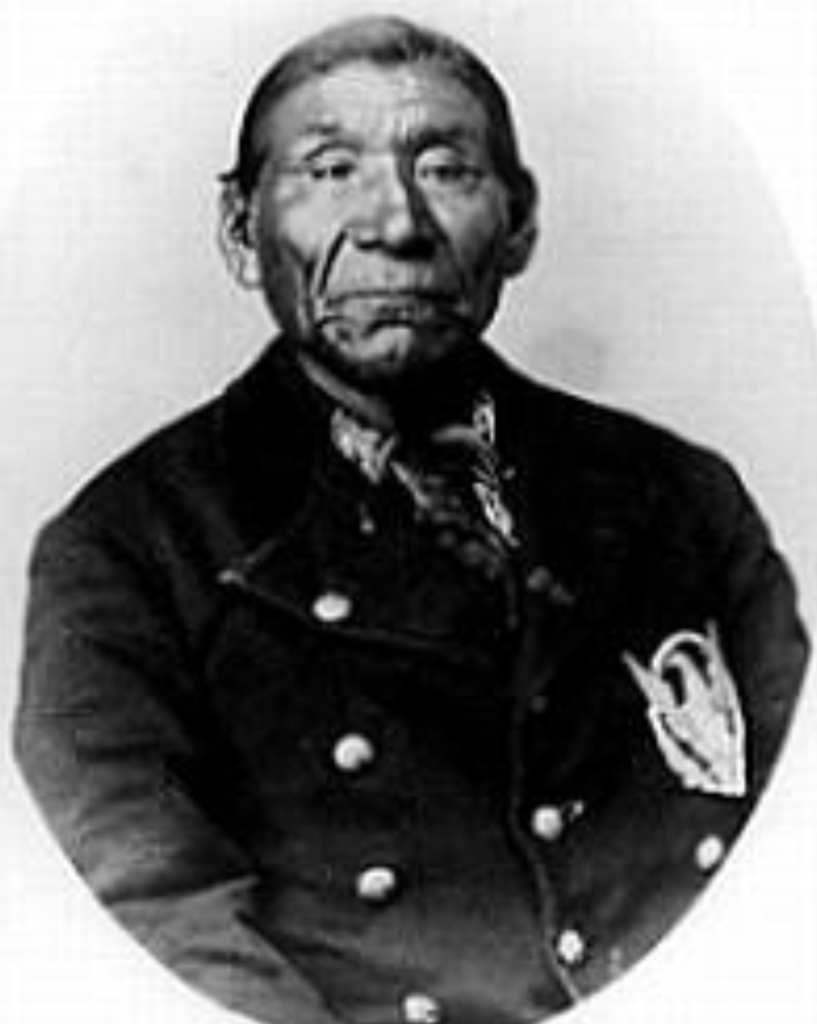
Because of this marriage, Bad Face became a proud member of the Paiute nation. White settlers began arriving in the region during the 1850s. They struggled to pronounce the native names, so they spelled the clan name as Winnemucca. In the local language, this name loosely translated to mean one moccasin. To separate him from his famous father-in-law, people began calling the young leader Winnemucca the Younger, but history remembers him best as Chief Winnemucca.
How the California Gold Rush Changed the Great Basin Region
Life changed forever for Chief Winnemucca and his people in January 1848. A worker discovered bright pieces of gold at Sutter’s Mill near Coloma, California. This event started the famous California Gold Rush. At first, only a few travelers crossed the desert, but soon a steady stream of thousands of wagons filled the trails. These pioneers were looking for wealth, and they needed to cross the Great Basin to reach the Pacific coast.
Old Winnemucca and his band of Paiute followers lived right along the Humboldt River. This camp sat very close to the beautiful waters of Pyramid Lake in Nevada. The busy California Gold Rush Trail passed directly through these native hunting lands. The white settlers needed large amounts of land for their farms, cattle, and sheep. They also discovered precious silver and gold inside the Nevada mountains, which brought even more outsiders into the Paiute territory.
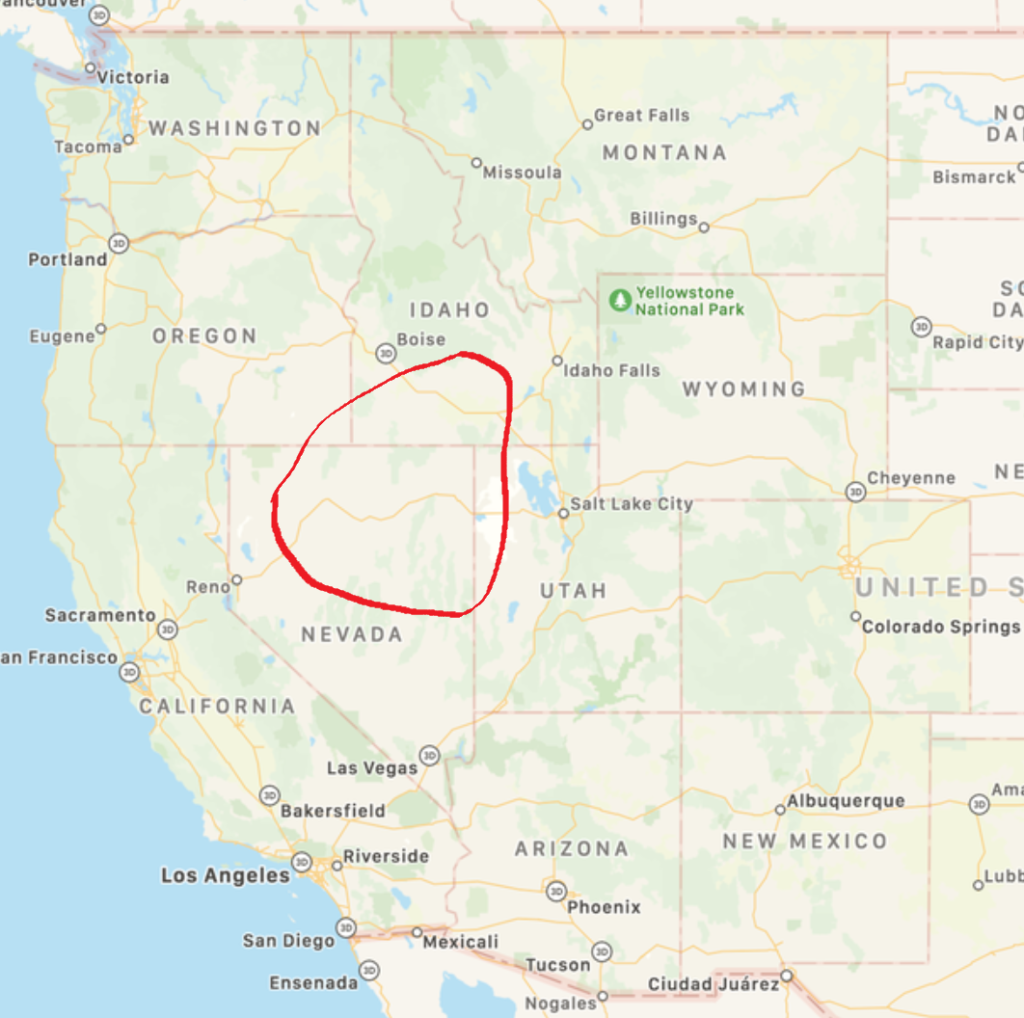
Map – Reddit
The Hidden Struggles of the Pyramid Lake War
The old medicine man tried very hard to maintain peace. He wanted Chief Winnemucca to trust the new white settlers who came from the East. The young chief tried his best to keep the peace, but the cultural differences were too deep. Many settlers looked at the native people with fear and distrust. By the year 1860, violent fights broke out between the anxious settlers and the Paiute bands.
This dangerous conflict became known as the Pyramid Lake War. The United States government forced the Paiute and Shoshone people to leave their homes and move to reservations. Chief Winnemucca did not want his people to suffer or starve. He walked a difficult path, working hard to get the government to treat his people fairly while also fighting in the battles to protect them. This painful fighting continued off and on until the late 1880s.
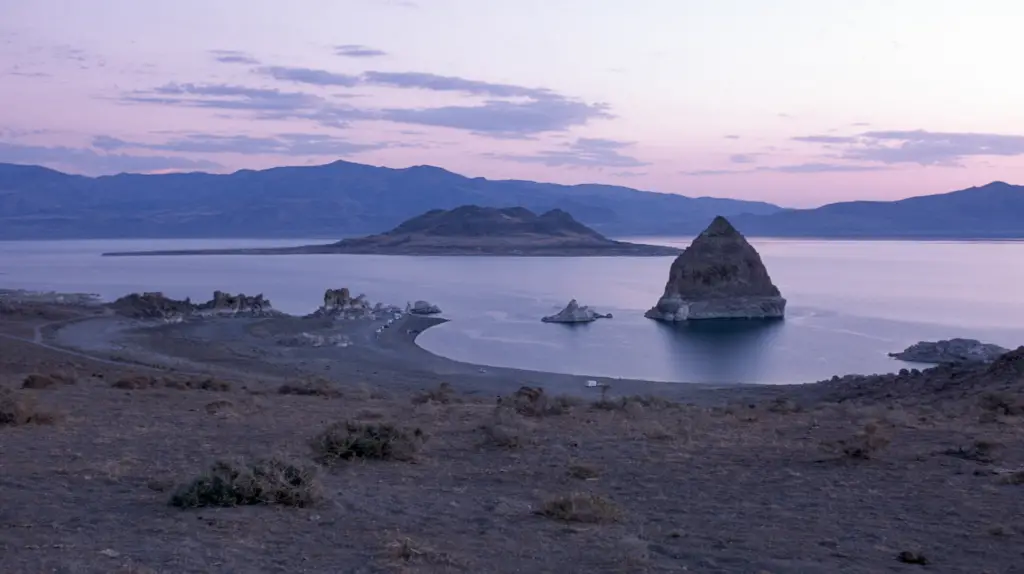
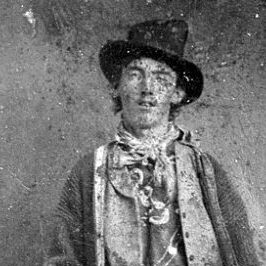
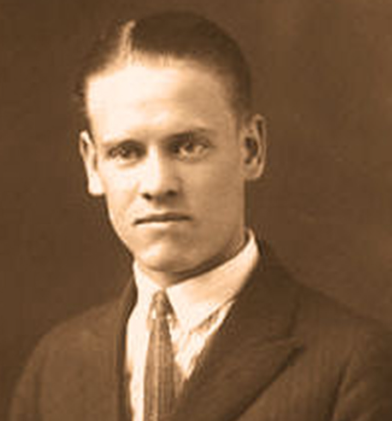
Photo – Timothy Rogers
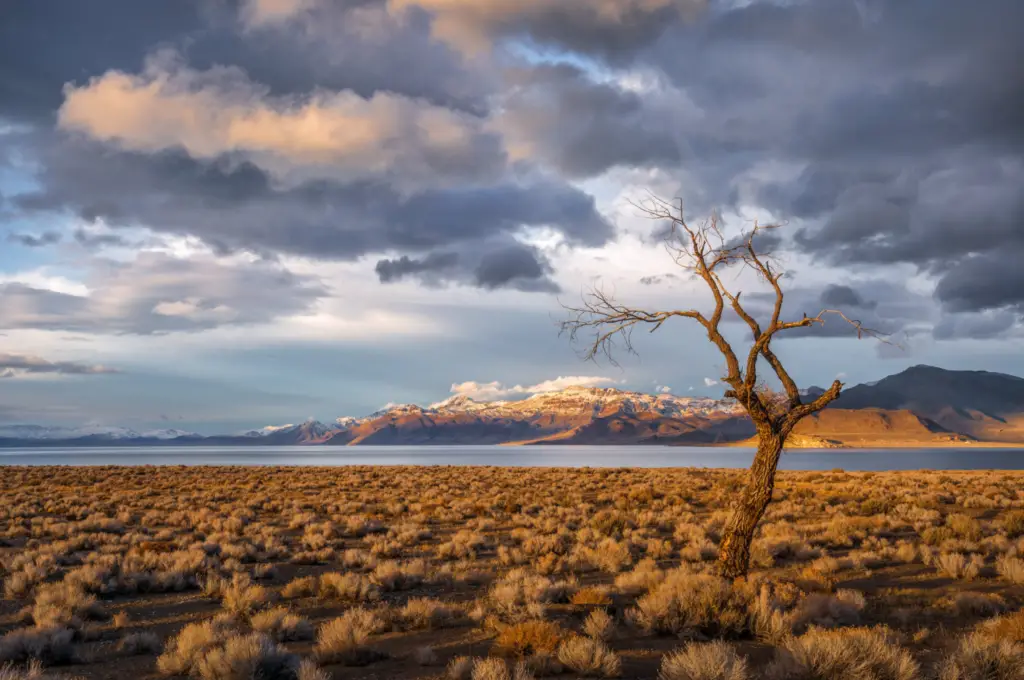
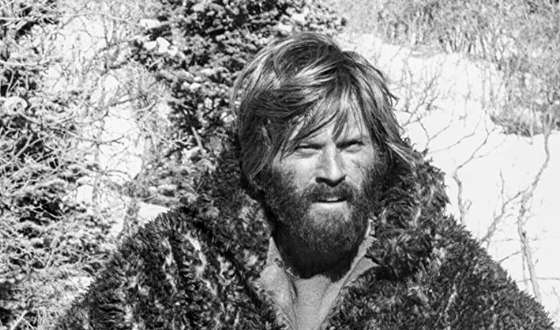
Photo – duck, you sucker!
The Mysterious Passing of Chief Winnemucca
The final days of Chief Winnemucca are filled with secrets and unanswered questions. In October 1882, the San Francisco Chronicle newspaper published a sad report stating that the famous leader had died. His death occurred at a remote place called Coppersmith Station, Nevada. (Coppersmith Station, Nevada, no longer exists. Historians believe it was located somewhere between the Quinn River Valley and the Black Rock Desert.) The exact cause of his passing quickly became a subject of intense mystery and rumors across the frontier.
Some people whispered that political enemies had poisoned the great chief. Other dark reports claimed that he had been bewitched by his young wife. The local community blamed this young woman for his sudden death. In a tragic turn of events, the angry followers stoned the young wife and her three-year-old child to death. The true details of his final hours remain a deep mystery to this day.
A Powerful Family Legacy in the American West
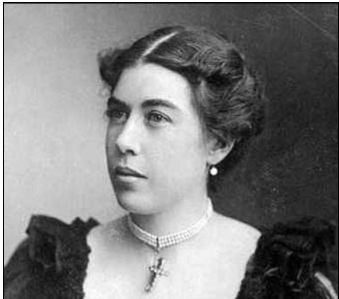
Chief Winnemucca left behind a family that continued to shape the history of Nevada. His son, Natchez, became a strong and respected leader for the Paiute people during the late 19th century. His brilliant daughter, Sarah Winnemucca, became even more famous across the United States. She was a talented writer and activist who spoke out for the rights of Native Americans everywhere.
Much of what modern historians know about the life of Chief Winnemucca comes directly from the books and letters that Sarah wrote. Today, his name lives on in the high desert landscape. The City of Winnemucca is the only incorporated city located in Humboldt County, Nevada. It stands proudly as a lasting monument to the Shoshone boy named Bad Face who became a protector of his people.
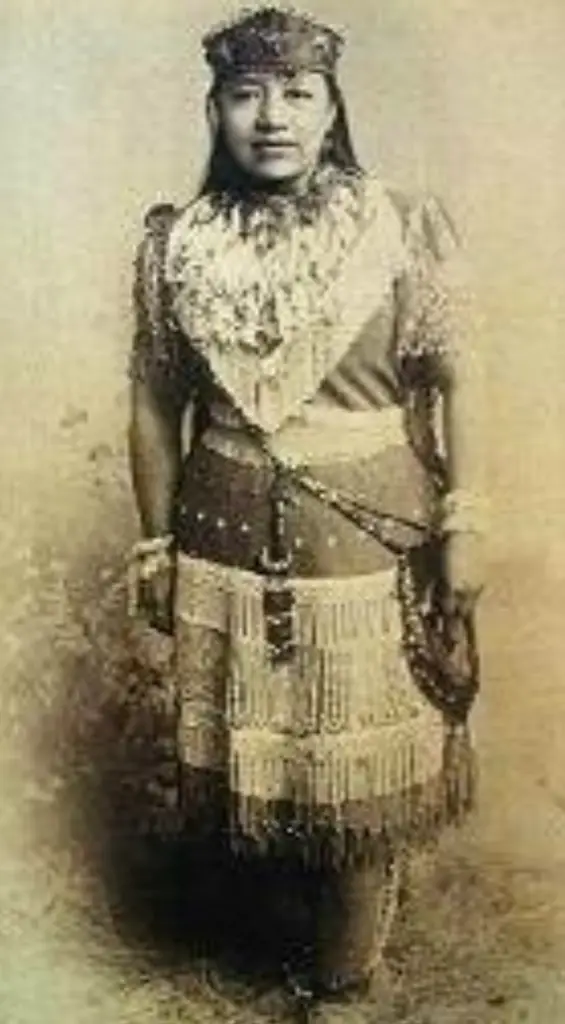
Photo – Wikimedia Commons
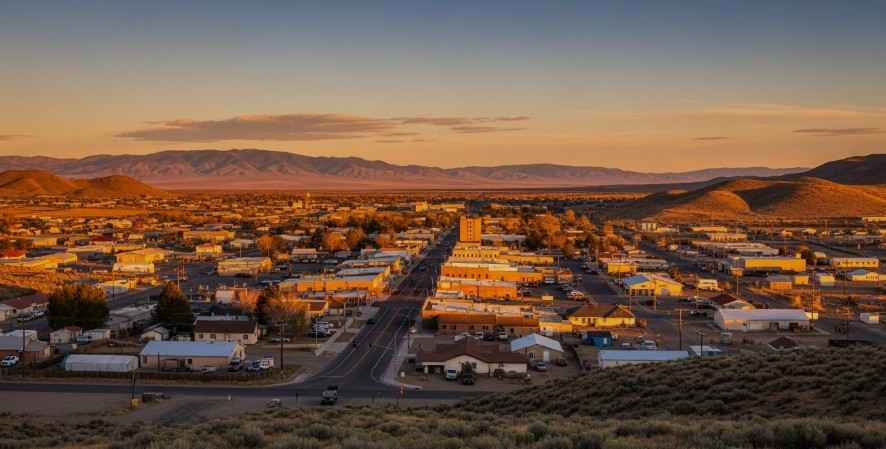
- If you’re headed West on I-80 toward the California Bay Area, consider taking a break in Winnemucca, Nevada. Here is more information to help you make a decision.
- And if you’re curious about more interesting people, places, and things in Nevada, then browse though more articles here.
Discover more from TheCuriousOnlooker
Subscribe to get the latest posts sent to your email.
The Indiana thought the settlers were savages? Maybe the wild men that came to find gold and not to settle. The fact that the Tribe stoned his wife and 3 year old son to death tells me they were savages themselves. I also know that we bought this land from Mexico. I will research the whole fact of this story to reach the truth and decide. Tired of liberals changing our history.
You are quite the ‘fiction can be fun girl. Go read a banned book.
It was the Europeans that thought the Native Americans were savages, not the other way around. From the article: “Whites coming to the region from the east thought the Native Americans were savages that could not be trusted.”
The United States did pay Mexico for Nevada and the regions around it. The United States claimed much of what is now the western states after winning the Spanish-American War in early 1848. That was made official in the Treaty of Guadalupe Hidalgo (February 2, 1848). Instead of taking the land as a spoil of war, the US paid for it to avoid any future claims from Spain. There are more details here: https://www.thecuriousonlooker.com/how-did-colorado-and-much-of-the-west-become-part-of-the-united-states/
I’ll be the jackalope and just point out the silver lining around the cloud…Bad Face’s parent’s were very based when it came to naming their children.