Who Was the Montana Woman Who Voted Against Two World Wars?
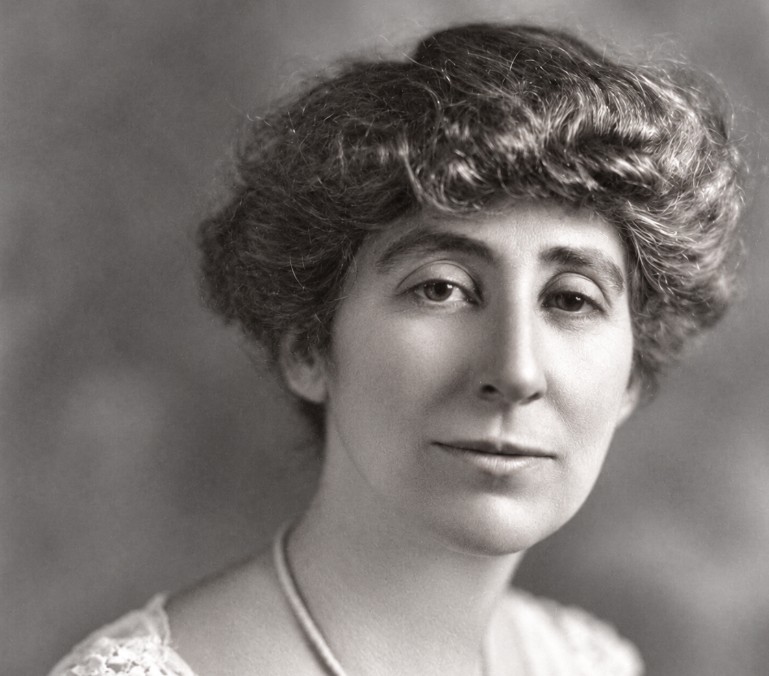
Jeannette Rankin was the first woman elected to the United States Congress. She was also the only member to vote against entering both world wars. Montana voters sent her to Washington in 1916, four years before women gained voting rights nationwide. Her election made history. But her hardest decisions came later. In 1917, she opposed war with Germany. In 1941, after Japan attacked Pearl Harbor, she voted against war again. Why would a woman who fought so hard to enter Congress risk her place there twice?
Key Takeaways
- Jeannette Rankin became the first woman elected to Congress in 1916, representing Montana before women had nationwide voting rights.
- She opposed America’s entry into World War I in 1917, despite strong public pressure to support the war.
- After Japan attacked Pearl Harbor in 1941, Rankin was the only member of Congress to vote against declaring war on Japan.
- Rankin continued working for peace and women’s rights long after her political career ended.
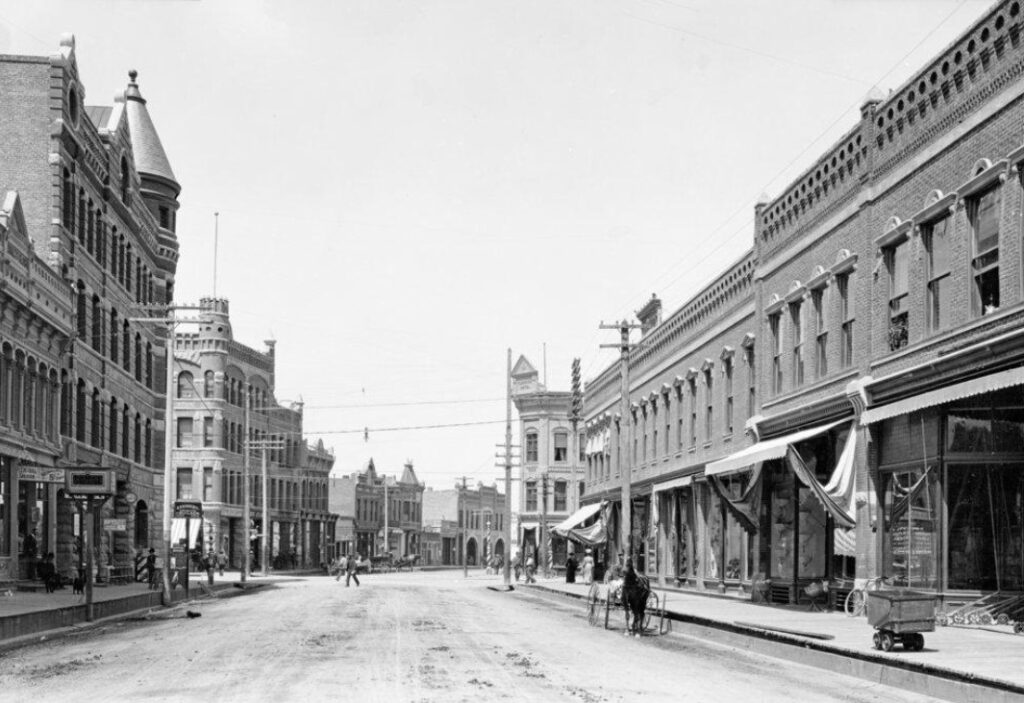
Photo: Missoula Current
Jeannette Rankin: From a Montana Ranch to Congress
Jeannette Rankin was born on June 11, 1880, near Missoula in Montana Territory. She grew up on a ranch in a large family. Her father raised livestock and worked as a builder. Her mother was a teacher. Still, women at that time had little say in the laws that affected their lives.
Rankin studied biology at the University of Montana and later worked with families in need. She became interested in women’s right to vote. She traveled, spoke to crowds, and helped organize campaigns. In 1914, Montana voters approved votes for women. The victory belonged to many workers across the state, not Rankin alone. Two years later, Rankin ran for Congress as a Republican. She spoke about voting rights, workers, and keeping America out of war in Europe. Her brother, Wellington, helped pay for her campaign. In November 1916, she won one of Montana’s two seats. Many women elsewhere still could not vote. Now one woman would help make laws for the entire nation.
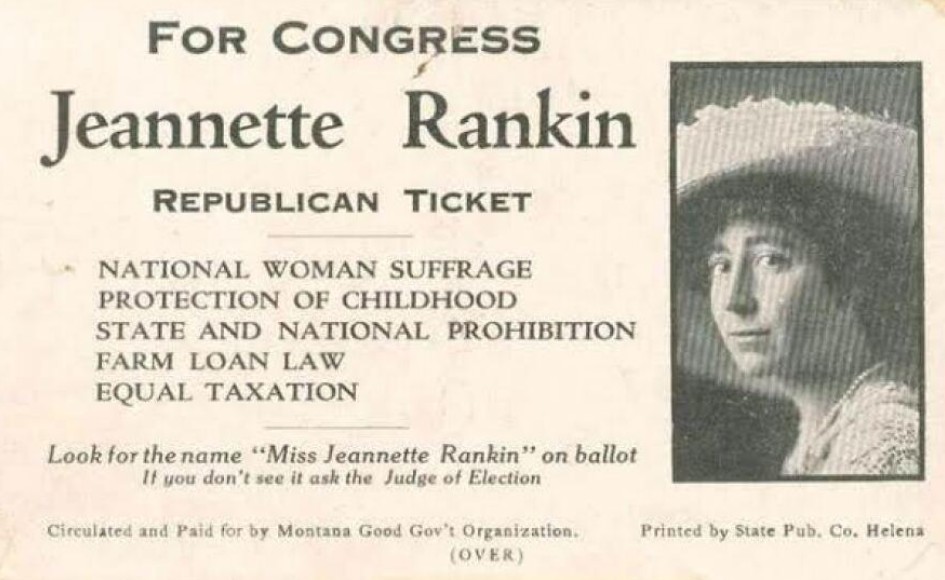
Photo: Montana Historical Society
The First Vote Against War: 1917
On April 6, 1917, Jeannette Rankin voted against the United States entering World War I. She had taken her seat in Congress just days earlier. President Woodrow Wilson wanted a declaration of war against Germany. German submarines had attacked ships and many Americans believed the nation must fight. Rankin believed war would bring terrible suffering and might not settle the conflict.
She was not alone in voting no. Forty-nine other House members opposed the declaration. The measure passed by a large margin. But Rankin drew special attention because she was Congress’s first woman. Some critics said her vote showed women were not ready for public office. Others respected her choice even when they disagreed. Rankin continued working for women’s voting rights and better conditions for mothers and children. In 1918, she sought a Senate seat but lost. Her first term ended in 1919. She kept speaking against war during the years that followed.
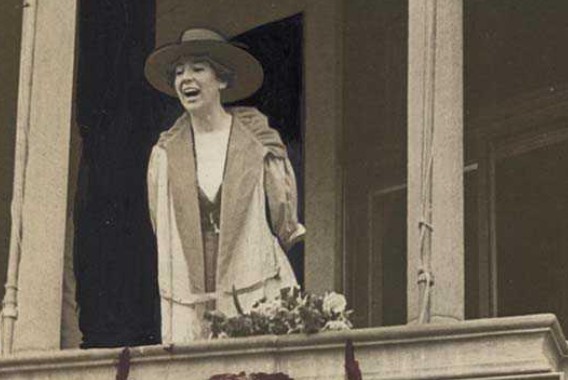
Photo: C. T. Chapman/Library of Congress
Jeannette Rankin’s Lone Vote After Pearl Harbor
On December 8, 1941, Jeannette cast the only congressional vote against declaring war on Japan. The day before, Japanese planes had attacked the American naval base at Pearl Harbor, Hawaii. Americans were shocked and angry. President Franklin D. Roosevelt asked Congress to declare war. Most lawmakers believed the attack demanded a military response.
Rankin was elected to Congress again in 1940. She was still against war, even after the Pearl Harbor attack. In the House, other members urged her to change her mind or to simply not vote. She refused. The House approved the declaration by 388 votes to one. Her lone no vote resulted in sharp criticism. Some Americans saw her stand as a matter of conscience. Others thought it failed to meet the danger facing the country. Rankin did not seek another term in 1942. This second no-vote largely ended her political career. Still, she had made the same choice in two very different moments. She strongly believed that sending people to war was wrong, even when almost everyone around her disagreed.
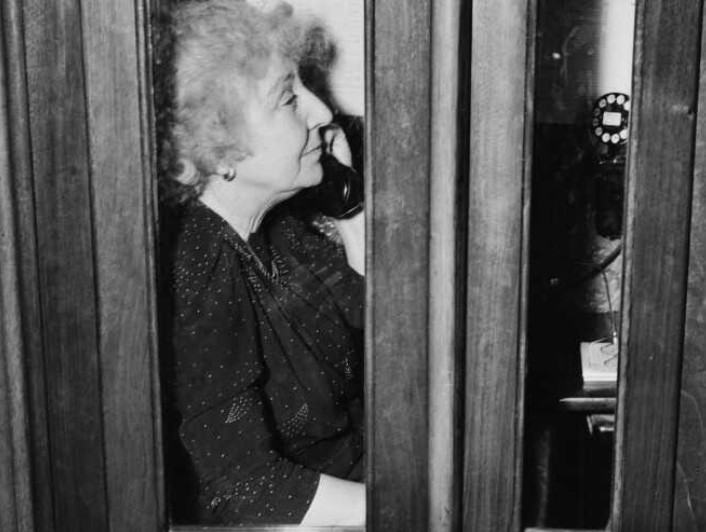
Photo: National Public Radio (NPR)
A Life of Peaceful Protest After Congress
Jeannette Rankin spent much of her later life working for peace and women’s rights. After leaving Congress, she continued speaking, writing, and joining public protests. She lived simply for long periods and traveled widely. But she also found supporters who believed that citizens should question military action.
In 1968, during the Vietnam War, Rankin led a women’s peace march in Washington, D.C. She was then in her late 80s! Thousands of women joined the protest. Rankin had never married or had children. Much of her adult life went into public service. Jeannette died on May 18, 1973, in Carmel, California. She was 92. By then, many more women had entered Congress. None had followed her exact path. Her two votes remained unusual because they came at moments when the country faced grave danger and lawmakers felt great pressure to agree.
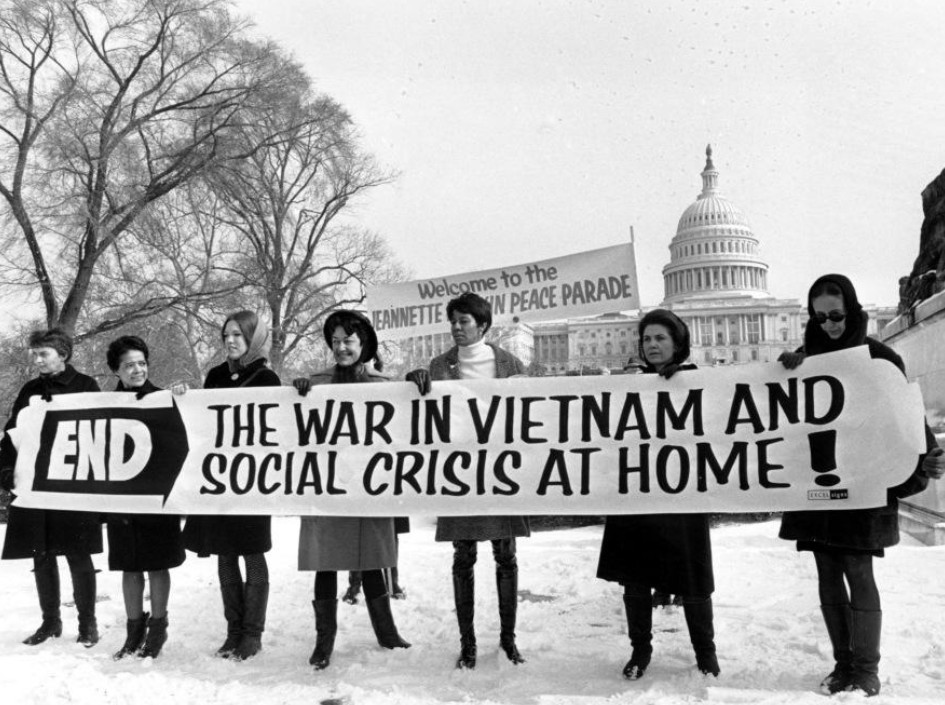
Photo: National Public Radio (NPR)
A Voice from Montana That Still Raises Questions
Montana helped send Jeannette Rankin into national history. In a western state where women had won the vote early, she found a way into Congress before most American women could vote. She then used that seat to make two decisions that divided the country. Her story leaves a hard question. What should an elected official do when personal belief conflicts with public anger or fear? Rankin answered that question with her votes. Americans have debated those choices ever since.

Photo: Destination Missoula
- For more details about the life and times of Montana’s Jeannette Rankin, go here: Jeannette Rankin — U.S. House of Representatives
- If you’re curious, here are more articles about interesting people, places, and things in Montana.
Discover more from TheCuriousOnlooker
Subscribe to get the latest posts sent to your email.