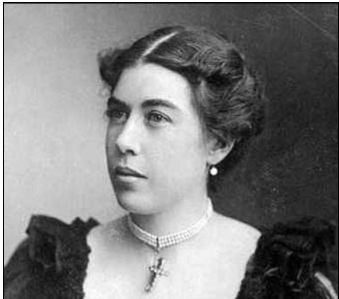
How did a school teacher become the governor of Wyoming and a national leader?
Nellie Tayloe Ross was the first woman elected governor of the United States, winning the Wyoming governorship in November 1924 — and she did it while grieving the sudden death of her husband. Ross did not seek power for herself. She stepped into public life because the people of Wyoming asked her to. That quiet beginning led to a career spanning three decades at the highest levels of American government, including 20 years as the first woman to lead the United States Mint.
Key Takeaways
- Nellie Tayloe Ross made history in 1924 as the first woman elected governor in the United States.
- Wyoming voters elected Ross after the sudden death of her husband, Governor William Bradford Ross.
- As Wyoming governor, Ross supported sound state finances, public schools, and safer working conditions.
- Ross became the first woman Director of the U.S. Mint in 1933 and served in the position for 20 years.
- Her groundbreaking career made Ross an important figure in Wyoming history and American women’s political history.
Who was Nellie Tayloe Ross?
The story of how Nellie Tayloe Ross became the governor of Wyoming and a national leader is both extraordinary and unlikely.
Nellie was born in 1876 in St. Joseph, Missouri. Her family moved often, following opportunities for work and new hopes. Nellie grew up in a home where reading, faith, and kindness mattered. She worked hard and was a quick learner.
Nellie trained to be a kindergarten teacher. She loved helping children learn simple things like letters and songs. This early work shaped her gentle way of working with people. It also taught Nellie how to stay patient during challenging times. In 1902, she married a young lawyer named William Bradford Ross. He had big dreams. Nellie believed in William and his dreams. In the early 1900s, William and Nellie moved from Missouri to Cheyenne, Wyoming. That move changed everything. It put Nellie at the heart of a new state that wanted to accomplish new things.
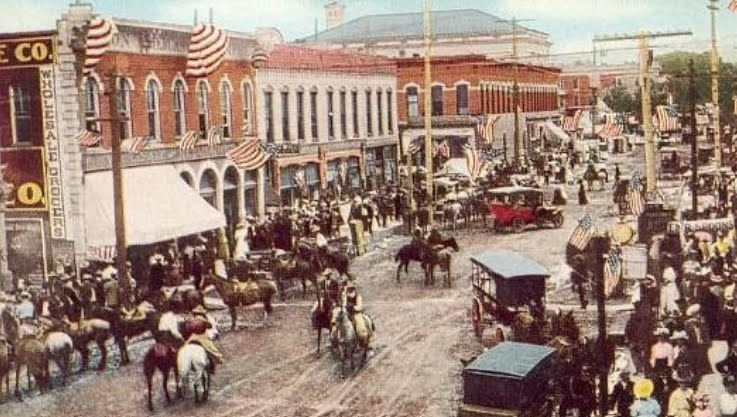
Frontier Days 1910
Photo – Wyoming Tales & Trails
How did Wyoming influence Nellie’s life?
At the time, Wyoming had not been a state for very long. It had wide open spaces, tall mountains, and strong people with strong views. It was the first territory to give women the right to vote. Nellie liked being in a state where women were recognized. In Cheyenne, the capitol, she became part of the local society. She met ranchers, teachers, railroad workers, and community leaders. She listened carefully to their stories. She also learned how politics touched daily life.
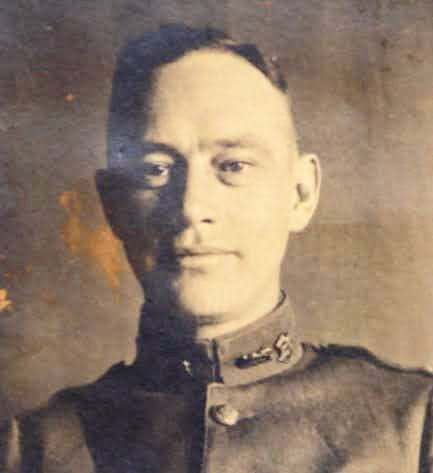
William did run for office. He was elected Wyoming’s governor in November 1922. Nellie supported him all along the way. She helped with speeches, events, and meetings. Then, in 1924, everything changed. William died suddenly while serving as governor. Many people urged Nellie to run for the office William had left vacant.
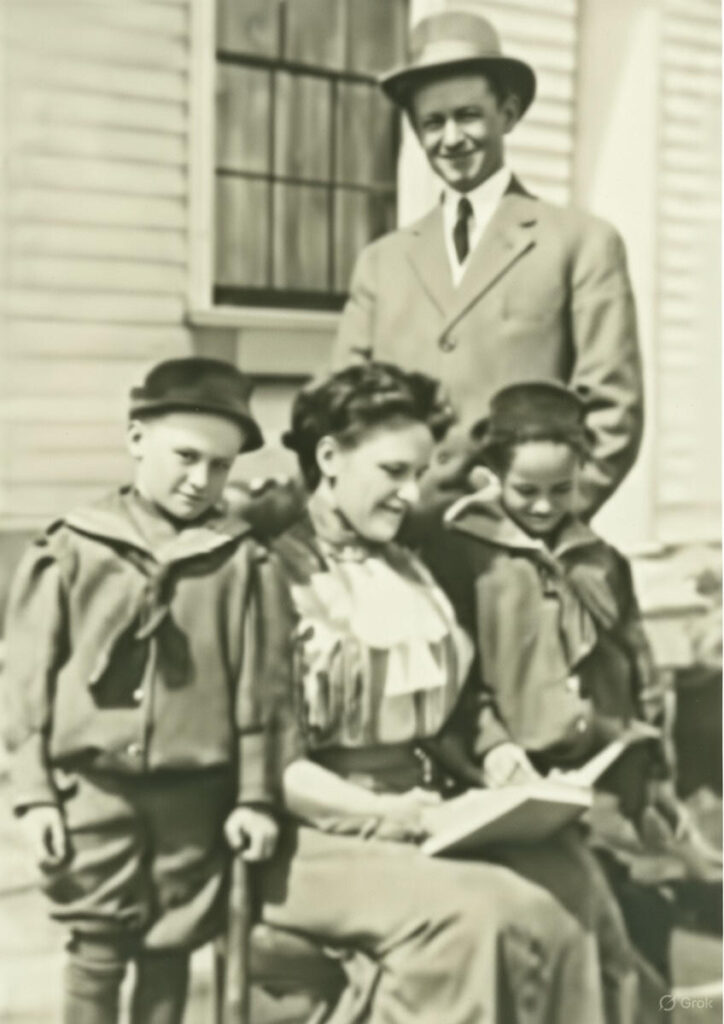
Photo – Wikimedia Commons
Why the people of Wyoming chose Nellie…
Nellie did run for office, but not because of personal ambition. She ran because the people trusted her and asked her to run. They liked her calm, steady nature. They felt that she understood their lives. In November 1924, Wyoming voters made history. They elected Nellie Tayloe Ross as the first woman governor in the United States. Her victory was front-page news from New York to London.
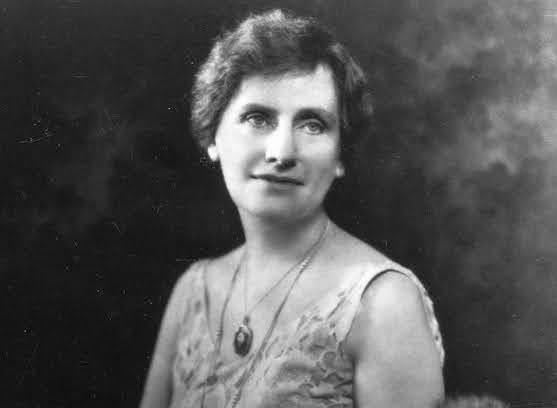
Nellie was strong: She gave her first major speech only days after her husband’s funeral. She stood on a small stage in the capitol (Cheyenne) and spoke with clear, gentle words. Her strength surprised even those who already admired her. As governor, she focused on fairness. She worked to improve state finances. She supported schools. Nellie encouraged safe working conditions. She wanted Wyoming families to have stable lives.
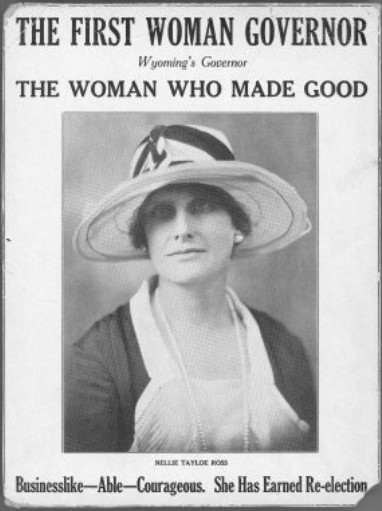
Photo – WyoHistory.org
How did Nellie’s story reach beyond Wyoming?
Nellie lost her re-election bid in 1926, but her public service did not end there. In 1933, President Franklin D. Roosevelt chose her to be the Director of the U.S. Mint. She was the first woman to hold that role. Nellie led the US Mint for 20 years. Nellie traveled, inspected facilities, met world leaders, and guided the Mint through the Great Depression and World War II. Those were years of major national change. Still, Nellie always said that her confidence had been shaped in Wyoming. The state had trusted her first. The State of Wyoming had opened the door for Nellie to succeed.
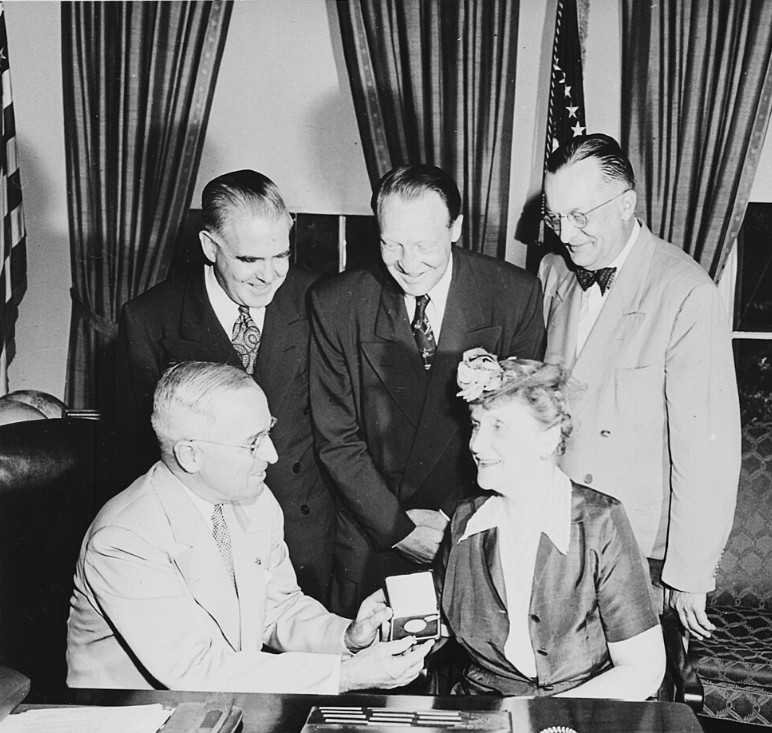
Receiving A Medal from President Harry Truman
Photo – Wikimedia Commons
Does Nellie Tayloe Ross’ legacy still matter?
Nellie Tayloe Ross showed that quiet strength can open doors of opportunity. She proved that leadership can come from compassion, not from being pushy. Not only is Nellie’s story about Wyoming, it’s also a story about America. Today, travelers visit Cheyenne and see reminders of her life. Many feel inspired by the idea that someone gentle, thoughtful, and steady could guide both a state and a nation. The story of Nellie Tayloe Ross reminds us that the American West was not only shaped by cowboys and battles with Native Americans. It has also been shaped by women who stepped forward with strength and courage when needed.
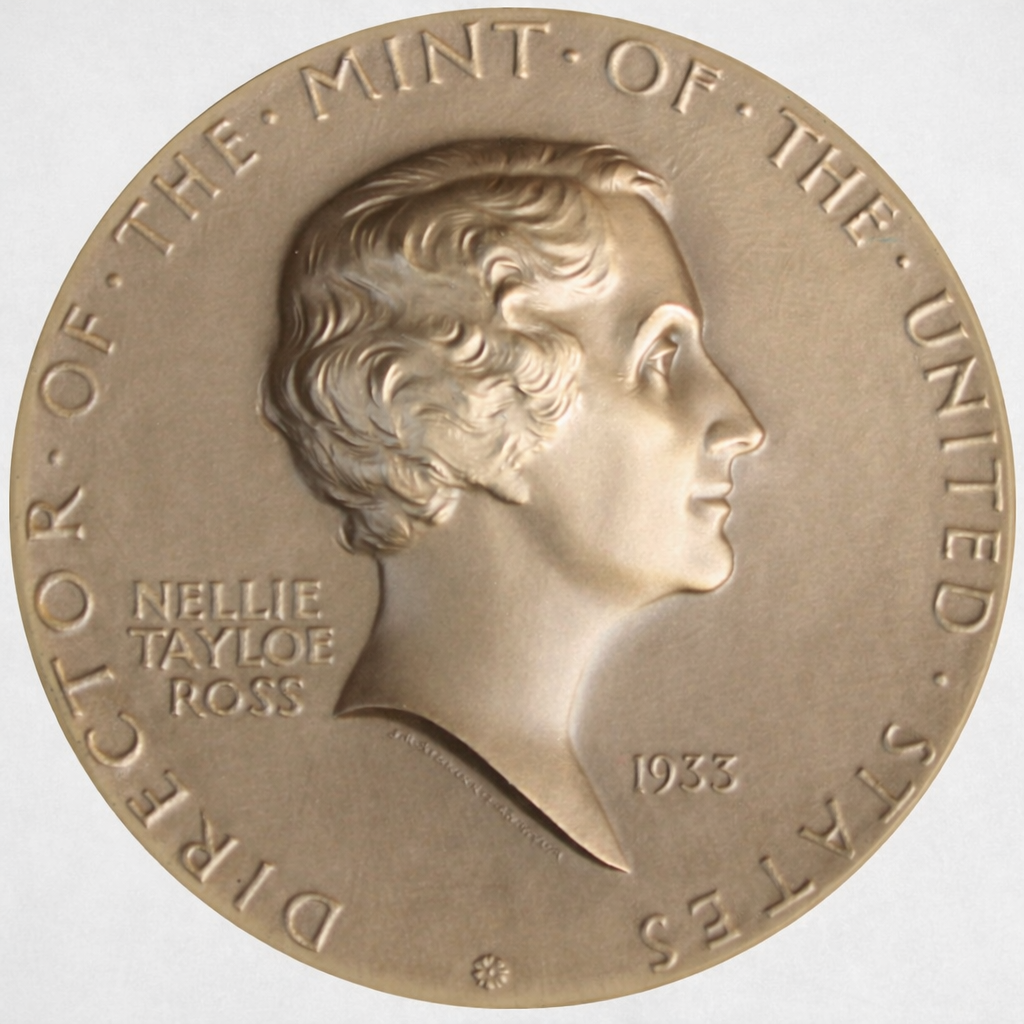
Image – Wikimedia Commons
- This article from the State of Wyoming is an excellent source for more details about Nellie Tayloe Ross, her life and times.
- If you’re curious, hear are more articles about interesting people, places and thins in Wyoming.
Discover more from TheCuriousOnlooker
Subscribe to get the latest posts sent to your email.