The Remarkable Rise of Adolph Coors: From Stowaway to Colorado Icon
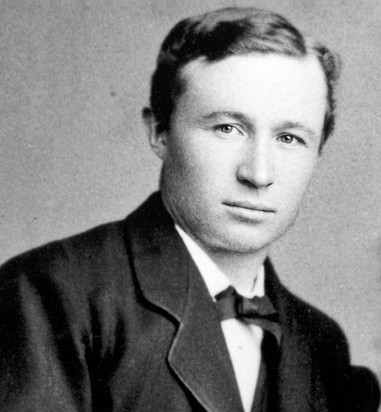
Later in life, he was: Adolph Coors. He was born: Adolf Hermann Josef Kuhrs. He was 21 years old, penniless, and hiding in the hold of a ship crossing the Atlantic. He could not speak English. He had no plan, only ambition. When that ship docked and he stepped onto American soil in 1868, few would have guessed that this young German stowaway would one day build one of the most famous breweries in the American West.
Highlights
- Adolf Coors was an orphan. At 21, he sneaked onto a ship in Hamburg, Germany, bound for America. He was discovered mid-voyage. His family kept it a secret for over 100 years. It only became public after his son died in 1970.
- Coors believed perfect beer needed perfect water. He spent his Sundays driving a wagon around Colorado until he found a crystal-clear spring near Golden. He built his brewery there.
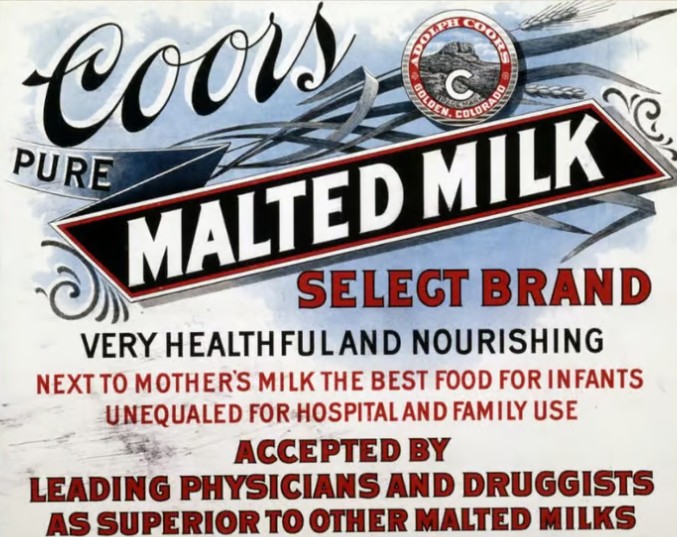
- He saw prohibition coming and decided to diversify. He sold malted milk to the Mars candy company and expanded into porcelain. That porcelain business still exists today as CoorsTek.
- For decades Coors beer was only sold west of the Mississippi River. That made demand very high. President Gerald Ford reportedly loaded cases of it onto Air Force One.
- Adolph Coors fell from a sixth-floor hotel window in Virginia Beach, Virginia, on June 5, 1929. He was 82. The exact circumstances were never fully explained.
A Secret Start: The Stowaway Who Changed His Name
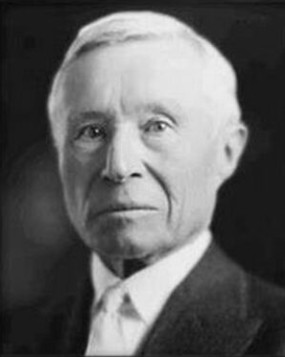
Adolph was born on February 4, 1847, in Barmen, a city in what is now western Germany. By the time he was 15, both of his parents had died. He was an orphan with no money. To survive, he apprenticed at a brewery in Dortmund. He learned a trade that would one day make him famous.
When he was 21, the Prussian army came calling. Young men in Prussia were required to join the military. Adolph wanted no part of it. He gathered what little money he had (not enough for a ticket) and sneaked aboard a ship at Hamburg. The destination? America. He was discovered mid-voyage but worked to pay for his passage.
Adolph arrived in Baltimore with nothing. He was so ashamed of stowing away that he never spoke of it. His family kept the secret for over 100 years. It wasn’t until after his son’s death in 1970 that the story finally came out.
Shortly after his arrival in America, Adolph changed his name from Kuhrs to Coors. Like many immigrants at that time, he did this to better “fit in.”
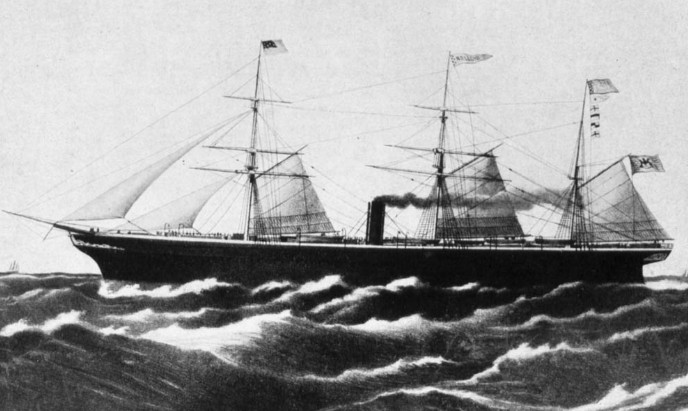
The kind of ship that Adolph Kuhrs took to America
Heading West: Adolph Coors Finds His Colorado Home
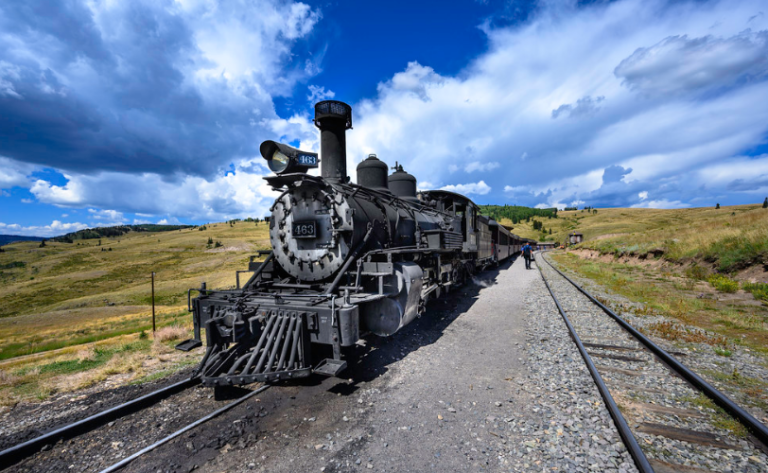
After a few years of hard labor on the East Coast (laying bricks, cutting stone, working odd jobs) Coors made his way to Chicago. He worked in breweries there and saved his money. In 1872, he followed the railroads west to Denver, Colorado.
He quickly bought into a small bottling company. Within a year, he owned that company outright. He sold bottled beer, wine, cider, and mineral water. But he was not satisfied. He wanted to brew his own beer. He knew that the secret to great beer was great water.
On Sundays, when his shop was closed, Coors drove a wagon around the Colorado countryside. He was searching for the perfect spring. He found it along Clear Creek, near the small town of Golden, at the base of Table Mountain. The water was ice-cold, crystal-clear, and pure. He had found his spot.
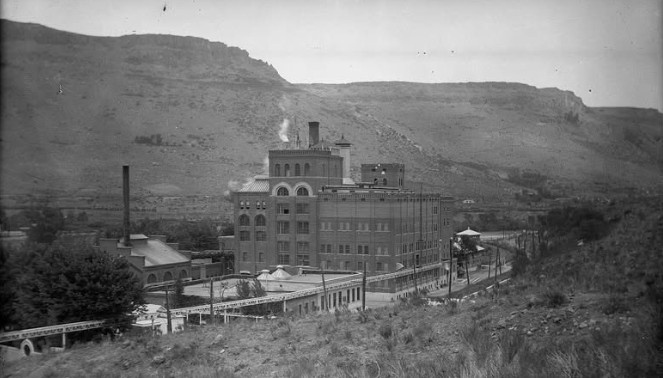
The Golden Brewery: Building an Empire on Mountain Water
In 1873, Coors partnered with a Denver candy shop owner named Jacob Schueler. Schueler put in $18,000. Coors contributed $2,000 of his own savings. Together, they bought an old abandoned tannery on the banks of Clear Creek and began converting it into a brewery.
By the spring of 1874, the Golden Brewery was producing beer for sale. Coors insisted on using only the finest ingredients…Colorado spring water, locally grown barley and hops. He commissioned nearby farmers to grow exactly what he needed.
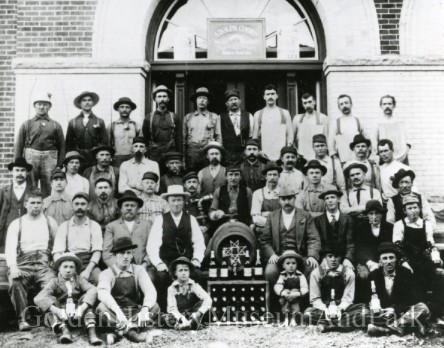
In 1880, he bought out Schueler and became sole owner. By 1887, the brewery sold over 7,000 barrels of beer per year. By 1890, that number had more than doubled. That same year, Coors won a medal at the Chicago World’s Fair. He was now a millionaire and an American citizen. He also treated his workers unusually well for the era. He allowed them to unionize, payed above-average wages, and gave them free beer during work breaks.
Surviving Prohibition: The Change That Saved Everything
Colorado passed its own prohibition law in 1916, four years before the rest of the country. For most brewers, that was a death sentence. Coors had seen it coming.
He converted his brewery into a malted milk facility and sold the product to the Mars candy company, which used it to make chocolate bars. He also expanded into porcelain and ceramics, mining the clay deposits near Golden. That side business grew into a major operation. Today it survives as CoorsTek, a global manufacturer of technical ceramics, still headquartered in Golden, Colorado. When Prohibition ended nationally in 1933, Coors was one of only a handful of American breweries still in business. The gamble on diversifying into other businesses had paid off.
The Beer That Became a Legend — and a Mystery
Adolph Coors died on June 5, 1929, at the age of 82. He fell from a sixth-floor window of a hotel in Virginia Beach, Virginia. The exact circumstances were never fully explained.
His sons took over the business. For decades, Coors beer was sold only west of the Mississippi River. That limited distribution actually increased demand. People on the East Coast couldn’t get it easily. It made them want it more. Travelers and soldiers carried six-packs of beer across the country to share with friends. Former President Gerald Ford was reported to have loaded cases of Coors onto Air Force One.
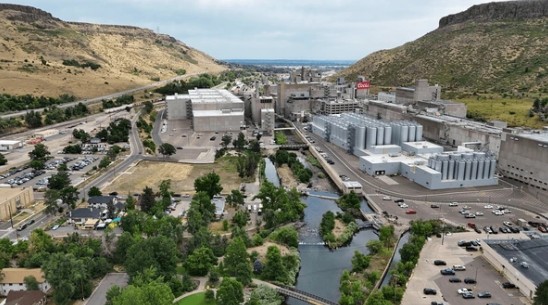
The company eventually changed to national distribution in 1986. Today, the brewery in Golden, Colorado, is the largest single-site brewery in the world.
A Rocky Mountain Legacy
Adolph Coors arrived in American with no money, no connections, and no English. After moving west to Colorado, he built an empire on clean water, hard work, and a belief in quality.
The American West drew people like Coors for a reason. It was a place where an orphaned stowaway from Germany could reinvent himself. Where the right spring of water in the right mountain valley could launch a business empire. Where a man willing to work hard and think ahead could even survive Prohibition.
The name Coors is now woven into the fabric of Colorado history…and into the broader story of how the American West was built, one bold idea at a time.
Discover more from TheCuriousOnlooker
Subscribe to get the latest posts sent to your email.