What Is the Wheat Ridge Carnation Festival?
In the 1960s, thirty-two greenhouses in one small Colorado town grew so many flowers that a fresh bouquet rode a plane to the White House every single Monday. That town was Wheat Ridge. Today, every greenhouse is gone, yet the town still throws one of Colorado’s longest-running parties in its honor. The Wheat Ridge Carnation Festival began the same year the city was born, and it has never stopped celebrating a flower that no longer grows there.
Table of Contents
From Gold Mines to Greenhouses
Wheat Ridge did not start out full of flowers. In the 1800s, miners came west chasing gold in the nearby mountains. When the gold ran thin, many of those families stayed anyway, drawn by the wide, open land just outside Denver. They found rich, sun-soaked soil, perfect for farming. Wheat, fruit, and vegetables filled the fields first, hauled by wagon into the growing city of Denver for sale. The town’s very name came from the golden wheat fields that once covered its hillsides.
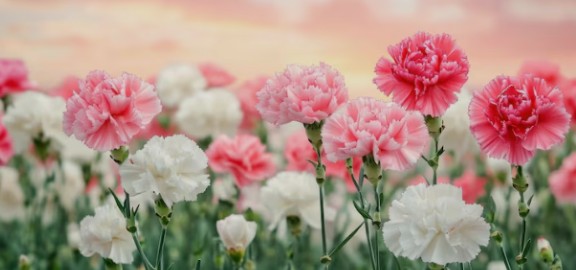
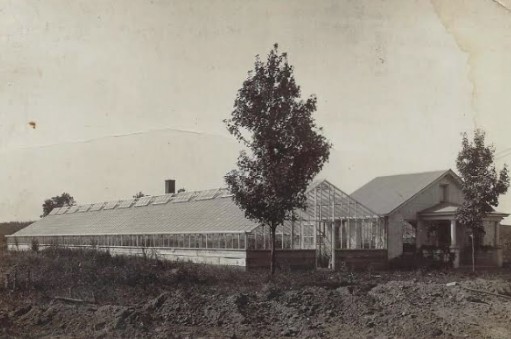
Farmers soon noticed something else grew well in that same bright sun: carnations. The flower needs long hours of sunlight, and Wheat Ridge had it in abundance. A few early growers built simple wooden-framed greenhouses to test the idea. Word spread quickly through the farming community, and more growers followed their lead. Slowly, the fields that once fed Denver’s dinner tables began filling instead with rows of pink, red, and white blooms, and a quiet farming town started turning into a flower town, one greenhouse at a time.
Carnation City, USA
By the 1960s, Wheat Ridge had earned a bold new nickname: Carnation City. Thirty-two separate growers ran greenhouses across town, making it one of the largest carnation-producing centers in the entire country. The flowers were hardy, colorful, and easy to ship. After World War II, fresh flowers became a common gift across America. This made carnations a favorite in the booming national cut-flower trade.
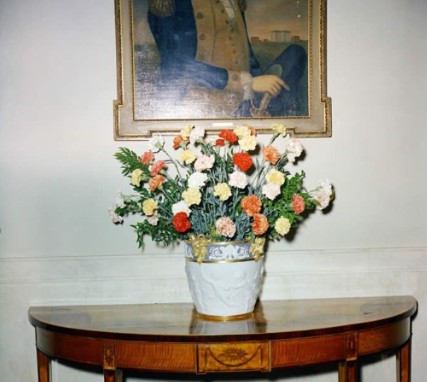
The town’s biggest claim to fame came straight from Washington, D.C. Each Monday morning, a fresh bouquet of Wheat Ridge carnations arrived at the White House. It sat in the front foyer with a small card that read, “With compliments to our nation’s capital, Wheat Ridge, Colorado, Carnation City.” For a small farming town far from the halls of power, that was an extraordinary honor. It gave Wheat Ridge a national reputation it never expected to have, and locals wore the Carnation City nickname with real pride.
A Festival Born with a City
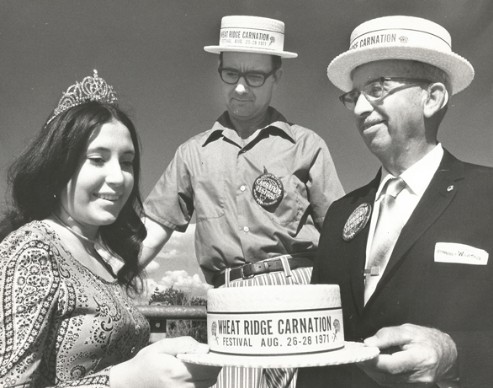
On August 15, 1969, Wheat Ridge officially became a city. Residents wanted a way to mark the occasion and honor the farming and flower-growing roots that had shaped their community for generations. The answer was the Wheat Ridge Carnation Festival, launched that same year as a joint celebration of the brand-new city and its blooming industry. Even the local high school teams took their name, the Farmers, from that same agricultural heritage.
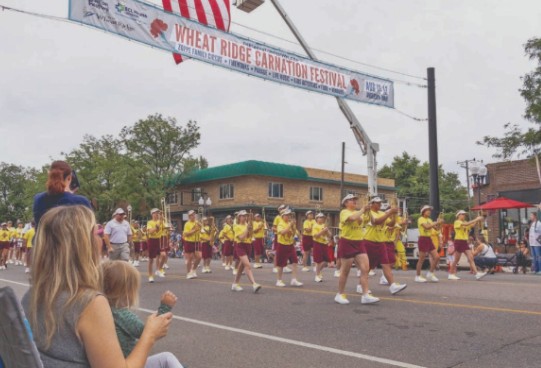
The first festival parade rolled down 38th Avenue, with floats piled high with carnations grown right in town by the very families who tended the greenhouses. Local growers, civic clubs, and schoolchildren all took part, turning the event into an instant community tradition. The parade briefly moved to 44th Avenue before returning to its original home on 38th. From the very beginning, the festival was free and open to everyone, a tradition that has never changed in more than fifty years.
The Industry Fades
Flower farming did not last forever. Land near Denver grew far more valuable for houses and shopping centers than for greenhouses, and cheaper carnations began arriving by the planeload from South America, where labor and land cost far less. Growers who once shipped flowers across the country found it harder each year to compete on price.
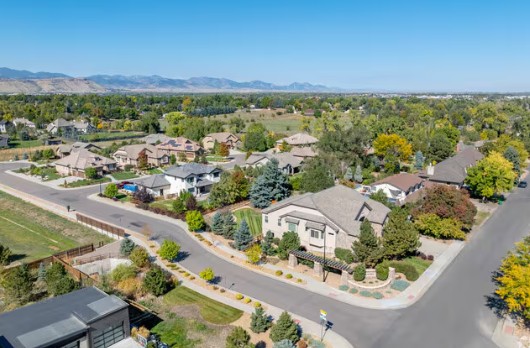
One by one, the local growers closed their doors. Some sold their land for new housing. Others simply retired without anyone to take over the greenhouses. The last carnation greenhouse in Wheat Ridge shut down in 2008, quietly ending nearly a century of local flower farming in the town that once supplied the White House. The fields that had once glowed pink and white in the Colorado sun gave way to rooftops, driveways, and parking lots.
A New Era at Anderson Park
Yet the festival never slowed down. It moved through a few different sites over the decades before settling into its current home at Anderson Park, a shady, open space well suited to a growing crowd. Today it stretches across three lively days each August, with a traveling circus, fireworks, live music, food trucks, and a beer garden drawing around 30,000 visitors from across the state.
A volunteer nonprofit organizes the entire event from start to finish, and every dollar raised goes straight back into the community, supporting local nonprofits, school groups, and senior organizations. New attractions have joined the festival over the years, but the core spirit remains the same: a free, family-friendly gathering built on civic pride. The greenhouses vanished, but the spirit behind them clearly did not.
A Bloom That Outlasted Its Fields
Wheat Ridge’s story is really the story of the American West in miniature. Gold rushes faded into farms, farms faded into greenhouses, and greenhouses eventually gave way to neighborhoods and shopping centers. Towns across the Intermountain region have followed that same restless pattern of boom, bust, and reinvention, again and again, for well over a century.
What makes Wheat Ridge unusual is what it chose to keep. Instead of letting the carnation years fade away along with the greenhouses, the town built a lasting festival to carry that memory forward. More than fifty years later, that memory still fills Anderson Park every August, proving that a community’s identity can outlive the very industry that first created it.
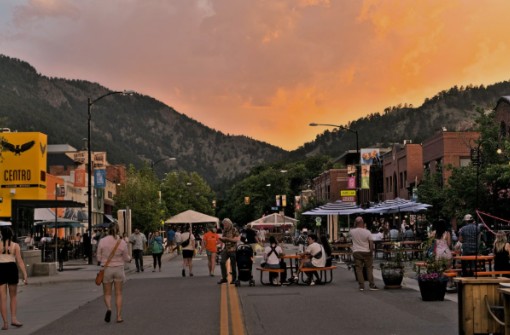
- For the latest on the Wheat Ridge Carnation Festival, you can find more information here.
- If you’re curious, here are more articles about interesting people, places, and things in Colorado.
Discover more from TheCuriousOnlooker
Subscribe to get the latest posts sent to your email.