How Did a Poor Geologist Become Utah’s Uranium King?
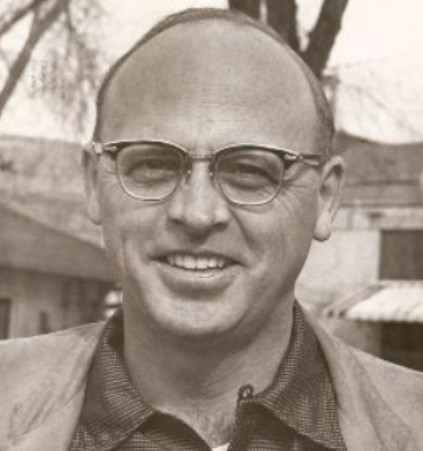
Photo: Wikimedia Commons
The making of a uranium king?
Ever wonder how a poor Texas boy became the Utah Uranium King?
Charlie Steen was born in Caddo, Texas, in 1919. His father was an oil prospector. Charlie grew up poor during the Great Depression (1920s). He watched speculators make and lose fortunes in the Texas oil fields. Charlie worked hard to pay for school. He became a geologist. In 1943, he graduated from the Texas College of Mines. During World War II, he couldn’t join the army because of his poor eyesight. Instead, he worked in South America looking for oil. After the war, Charlie heard about the uranium boom. The United States needed uranium for weapons and power plants. The government promised good money to anyone who found uranium ore.
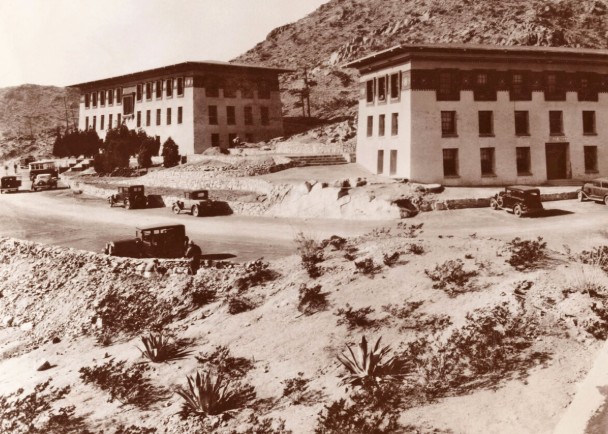
Photo: El Paso Museum of History
Why did Charlie Steen come to Utah?
In 1949, Charlie moved his family to Utah. He had a theory. He believed large amounts of uranium were hidden in places other geologists had overlooked. Most experts said he was wrong. They called Charlie the “Crackpot Geologist.”
Charlie had no money. His wife, Minnie Lee, and their four young boys lived in a tarpaper shack near Moab. They often had to borrow money to buy food. Charlie couldn’t afford a Geiger counter like other prospectors used. Instead, he bought an old, broken-down drilling rig. The family struggled. Minnie Lee got pneumonia. Medical bills ate up their last $350. Still, Charlie kept drilling. He believed Utah and uranium held his fortune.
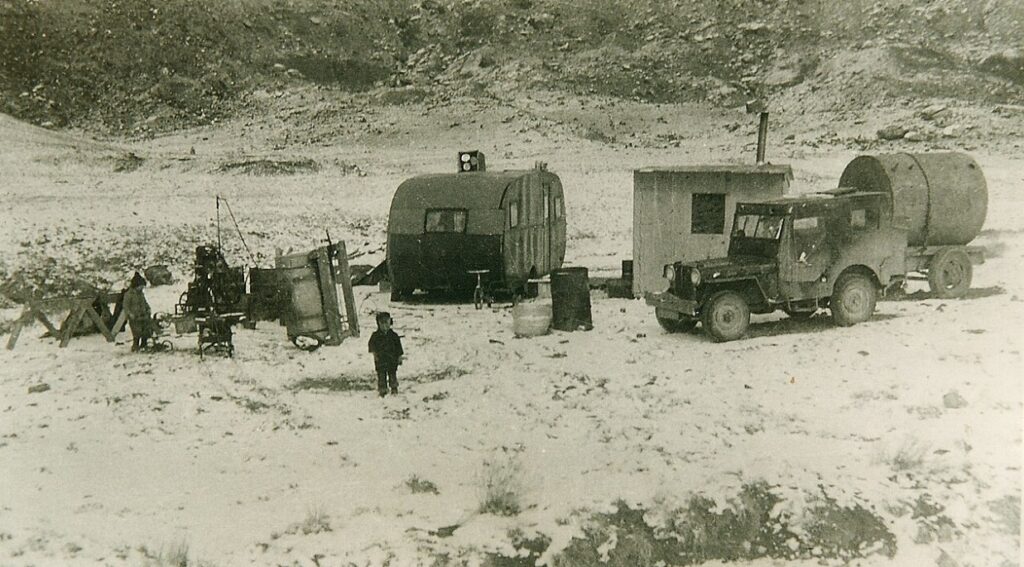
Photo: Wikimedia Commons
How did Charlie Steen discover the Mi Vida mine?
On July 6, 1952, everything changed. Charlie was drilling near the small town of La Sal, Utah. His drill bit broke at a depth of 197 feet. This accident became the luckiest break of his life. Three weeks later, Charlie took a dark rock sample to a friend in Cisco, not far from Moab. They tested it with a Geiger counter. The needle went wild. Charlie had drilled through 14 feet of pitchblende (the common name for uraninite, the radioactive mineral that is the main ore for uranium). This was the richest uranium ore anyone had found on the Colorado Plateau.
Charlie ran home. He burst through the door yelling to Minnie Lee. “We’ve hit it! It’s a million dollar lick!” He named his mine Mi Vida. In Spanish, this means “My Life.” The discovery made Charlie rich beyond his dreams. In six months, the mine produced $1.3 million worth of uranium. Over time, it would be worth more than $1 billion. Moab became known as “The Uranium Capital of the World.”
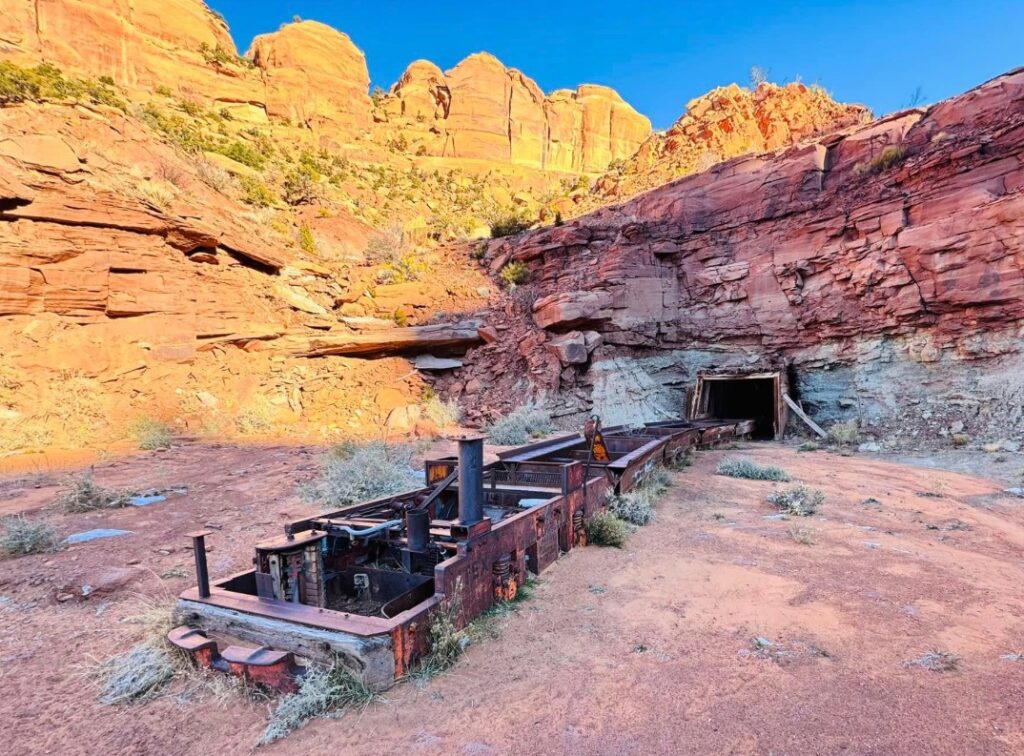
Photo: Ian Josly, Mine Explorers of Colorado
What did Charlie Steen do with his fortune?
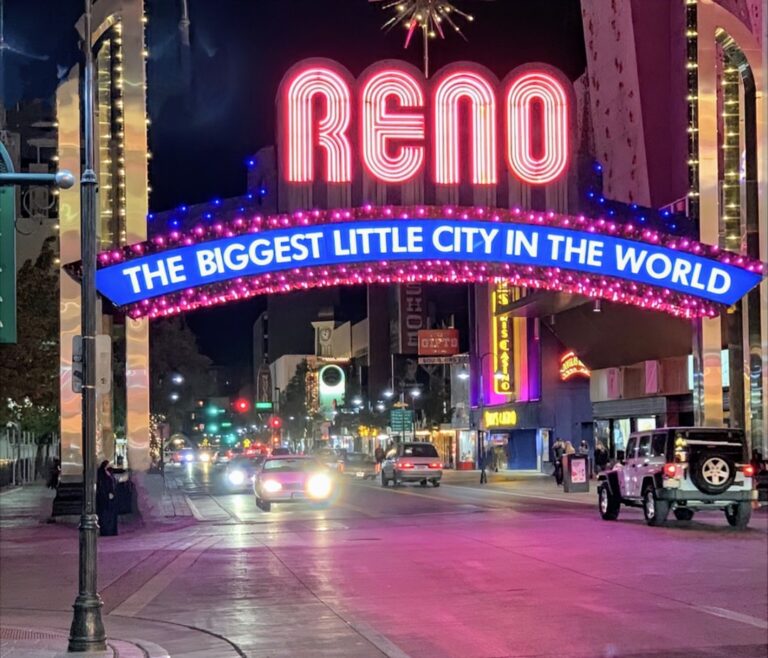
Charlie built a $250,000 mansion on a hill above Moab. It had a swimming pool and servants’ quarters. He flew his private plane to Salt Lake City for weekly rumba lessons. He had his old prospecting boots bronzed. Charlie loved to share. He invited the whole town of Moab to parties in an airport hangar. He gave $50,000 to build a hospital. He donated land for schools and churches. Charlie became a Utah State Senator in 1958, but he didn’t enjoy politics. He resigned from the Utah Senate in 1961 and moved to a ranch near Reno, Nevada.
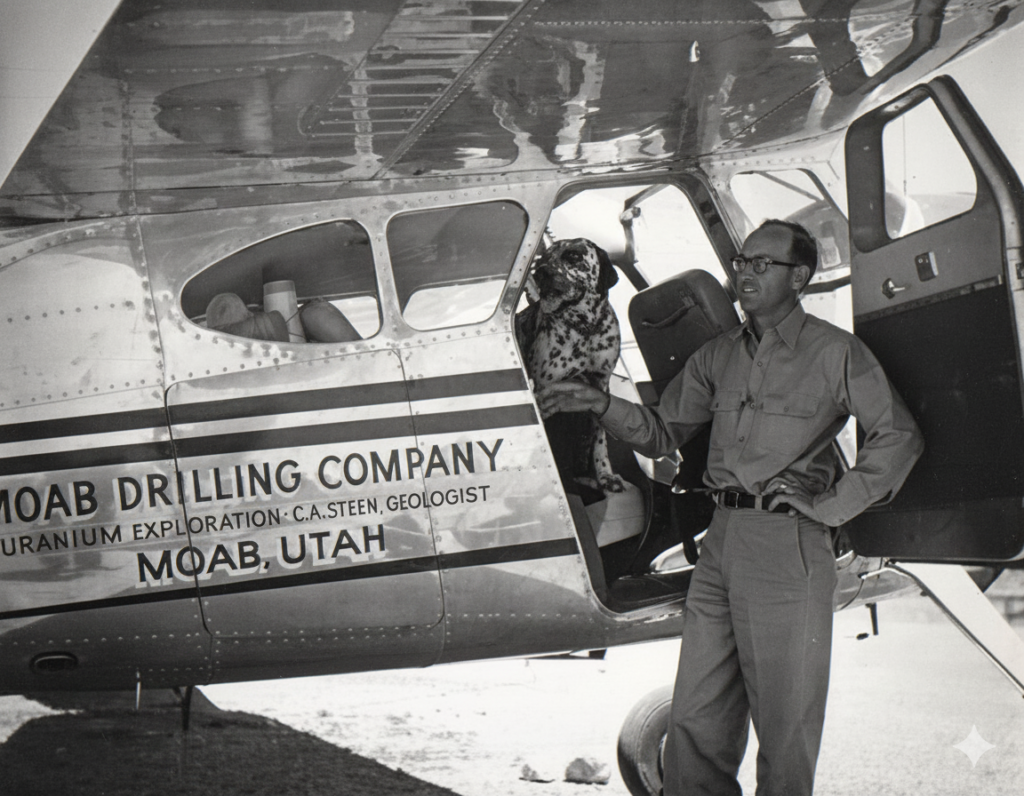
Photo: Mark Steen
How did it all end for Charlie Steen?
By the late 1950s, the uranium market crashed. The government had enough uranium. Prices dropped. Charlie tried other businesses. He bought Arabian horses and a marble quarry. He even bought a pickle plant. Nothing worked. In 1968, the tax authorities took everything. Charlie declared bankruptcy. He had lost his $130 million fortune. In 1971, Charlie suffered a bad head injury while working on a mining prospect in Nevada. He never fully recovered. Years later, he developed Alzheimer’s disease.
Charlie Steen died on January 1, 2006, in Loveland, Colorado. He was 86 years old. His wife Minnie Lee had died in 1997. Charlie passed away in humble circumstances. One of his four sons was at his bedside. His hilltop mansion in Moab still stands. Today it’s a restaurant called The Sunset Grill. Visitors can eat dinner while looking over the valley where Charlie Steen’s discovery changed Utah forever.
Charlie Steen’s story shows the strong spirit of the American West. One man’s determination transformed a small desert town. His discovery brought wealth and jobs to Utah. Though Charlie lost his fortune, his legacy lives on. Charlie Steen’s life reminds us that dreams can come true if people work hard and refuse to give up.
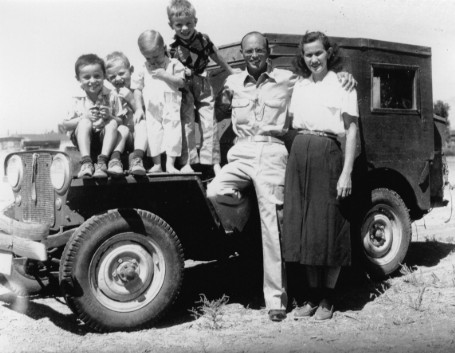
Photo: Moab Museum
Discover more from TheCuriousOnlooker
Subscribe to get the latest posts sent to your email.