
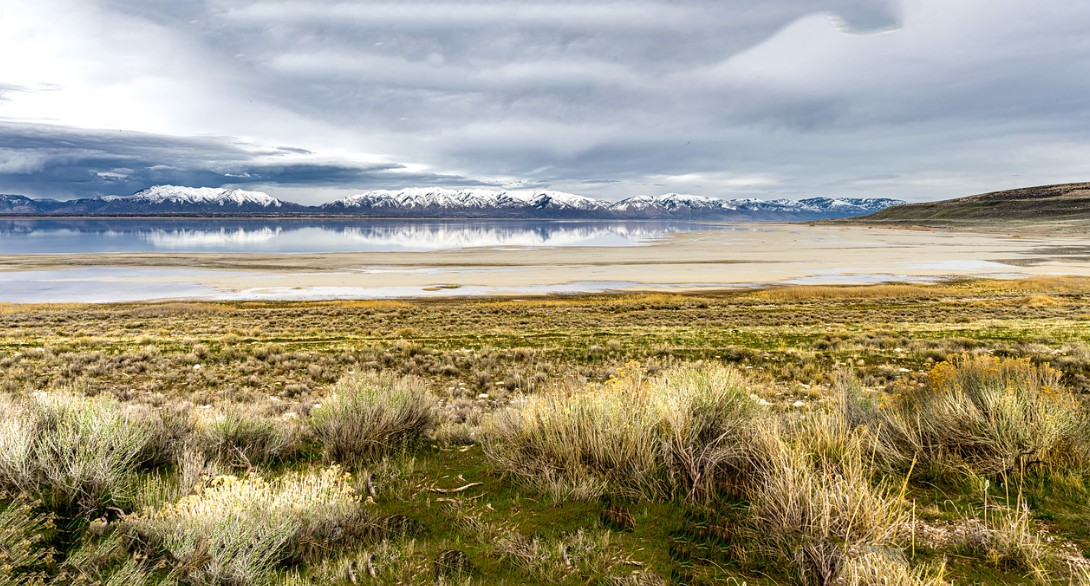
Antelope Island Utah: A Wild Gem in the Great Salt Lake
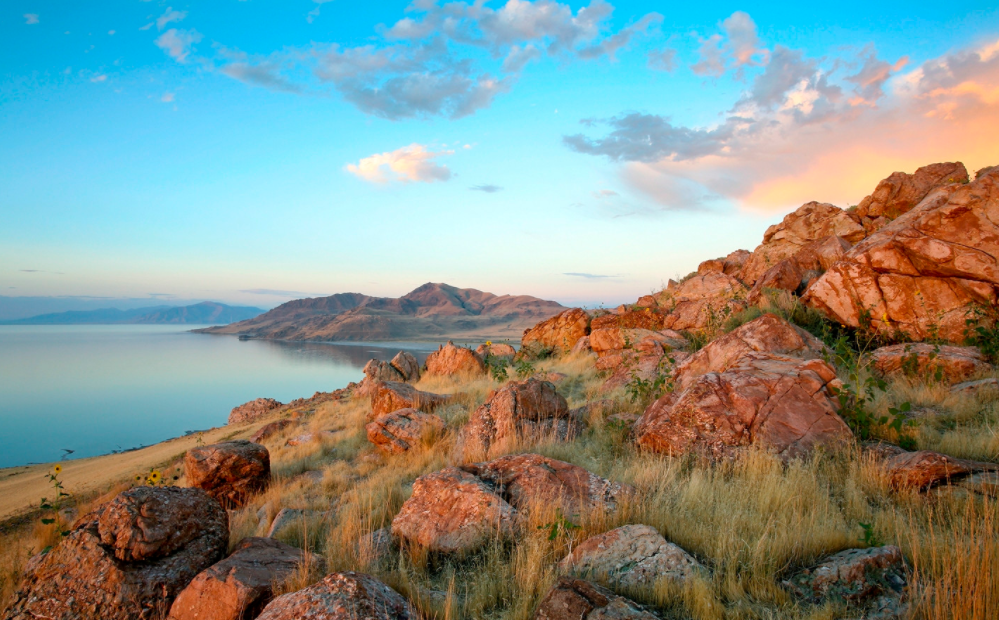
Antelope Island, Utah, is in the middle of the Great Salt Lake. Even though it’s only a short drive from Salt Lake City, it feels like another world. Bison graze on the island’s open grassland. Pronghorn antelope pass between clumps of sagebrush. Ancient rock formations push up through the soil. This is Antelope Island State Park…one of the most dramatic and overlooked natural treasures in the American West.
Table of Contents
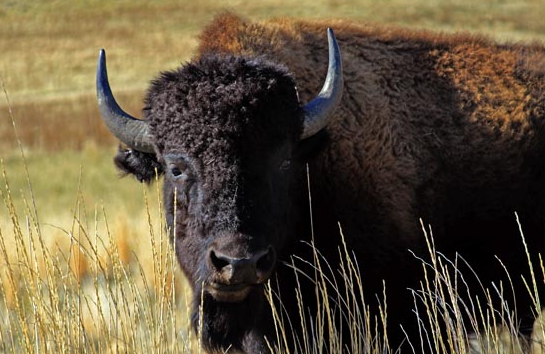
Photo: F R Lambrechtsen
An Island Born from Ancient Seas
Long before the Great Salt Lake existed, Prehistoric Lake Bonneville covered much of what is now Utah, Idaho, and Nevada. At its peak, around 14,500 years ago, Lake Bonneville stretched across nearly 20,000 square miles. When that ancient lake shrank and evaporated, it left behind the Great Salt Lake…and Antelope Island sitting in the middle of it.
The rocks beneath the island tell an even older story. The rocks found here are among the oldest exposed rocks in North America, dating back as far as 2.7 billion years. That’s more than half the age of Earth itself. Visitors who walk the island’s trails are stepping on some of the Earth’s most ancient ground. The Wasatch Mountains to the east reflect off the briny water. On a clear day, the view from the island looks almost prehistoric. It’s a strange and unique beauty.
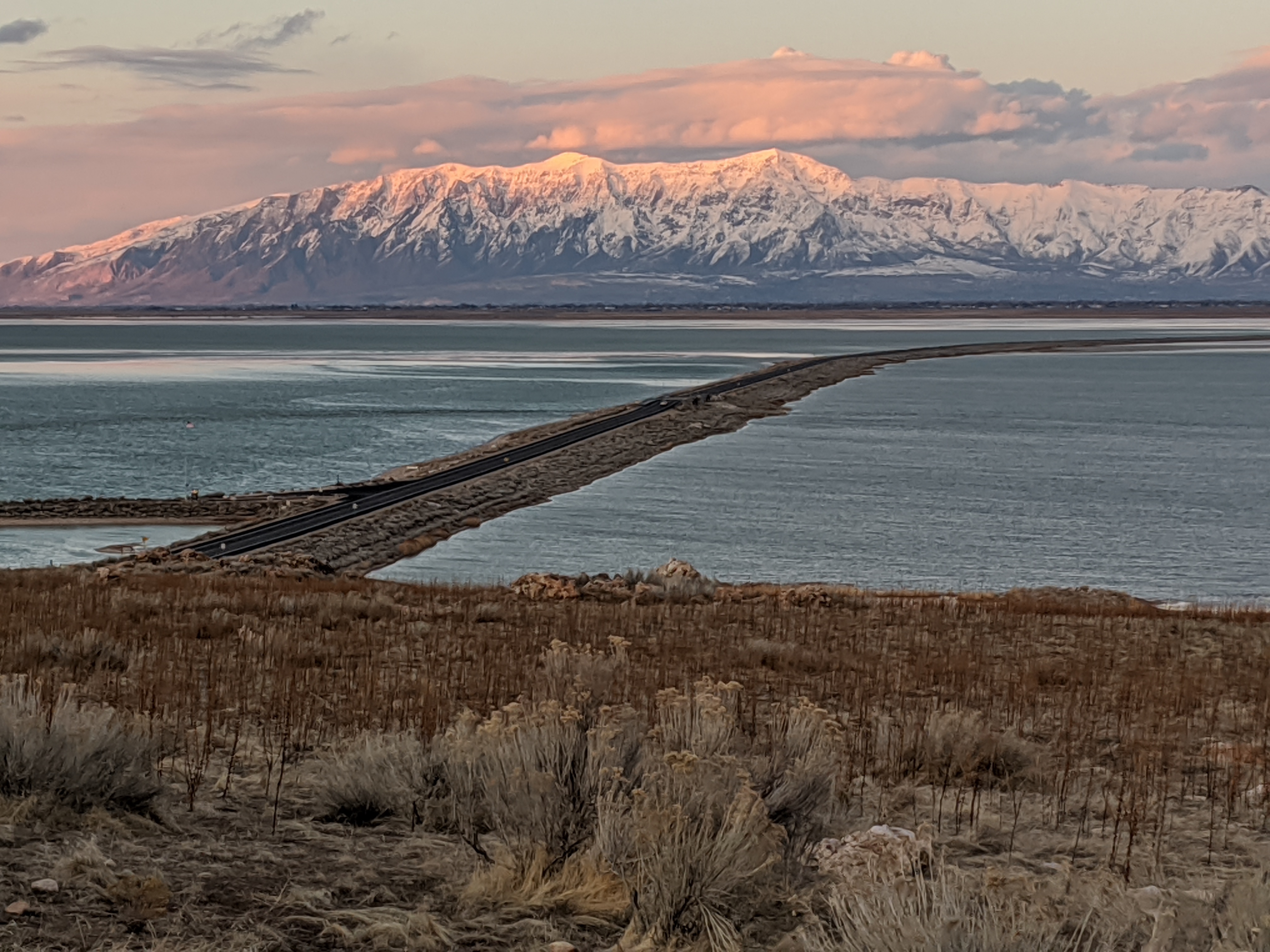
Photo: F R Lambrechtsen
The Bison of Antelope Island State Park
There’s a Bison roundup each year on Antelope Island. It’s usually in the fall of the year (October?). The event begins at the Fielding Garr Ranch. From there, the bison are pushed across the island to the corrals near Whiterock Bay. They are sorted, vaccinated, and checked for pregnancies, parasites, and other health issues. Some of the bison are sold. This helps strengthen other bison herds in North America and around the world.
The Buffalo Point trail has one of the best vantage points on the island. It’s a moderate hike with sweeping views of the lake and the Wasatch Front.
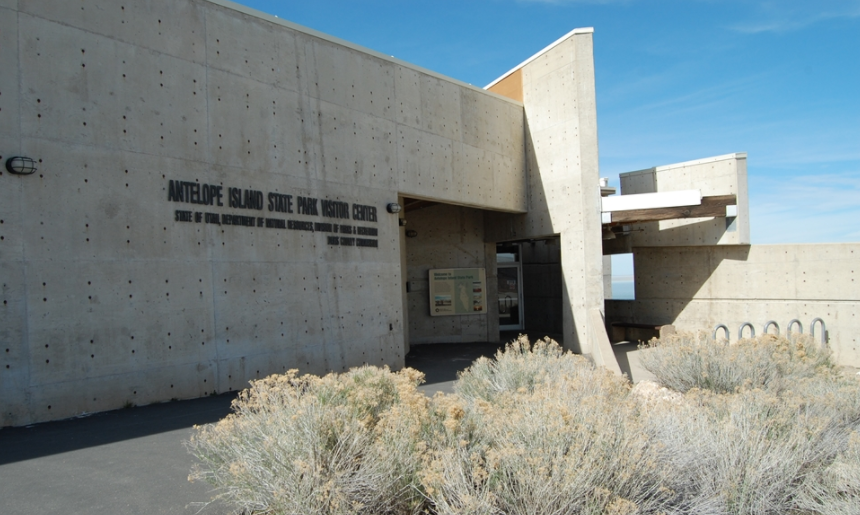
There’s also a very nice visitor center on the island. It’s maintained and managed by Utah’s state parks service. There’s plenty of parking, clean facilities, and a well stocked gift shop. There are nice beaches with pavillions, picnic tables, restrooms, and even showers. There are multiple campgrounds with room for tents, trailers, and RV’s. Some of the beaches are more remote, but they’re peaceful and worth the trip.
The Fielding Garr Ranch: A Pioneer Landmark
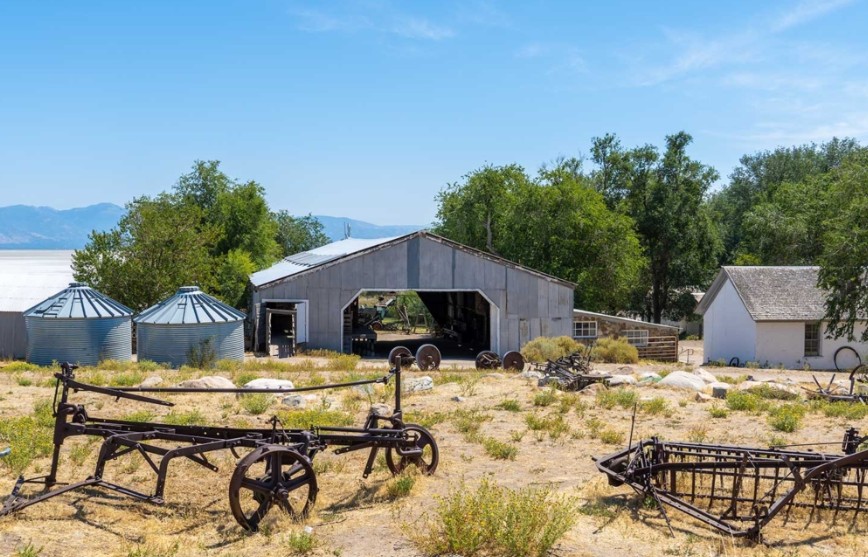
At the southeastern end of Antelope Island is a ranch. It’s been there since 1848. The Fielding Garr Ranch is one of the oldest continually used ranches in Utah’s history. Garr, an early Mormon pioneer, built the ranch to graze sheep for The Church of Jesus Christ of Latter-day Saints. Sheep ranching continued on the island for decades. Eventually, the sheep ranching gave way to cattle.
The ranch buildings are still there. The are the original adobe home, barns, corrals, a bunkhouse, and old shearing equipment. It’s very well preserved. Utah’s state parks service maintains the site and it’s open to visitors. Standing in the ranch yard with the Great Salt Lake in the distance, it’s easy to imagine the isolation the Garr family must have felt. The island didn’t have a connection to the mainland until 1969. For more than a century, ranching on Antelope Island really meant living cut off from the rest of the world.
Wildlife Beyond the Bison
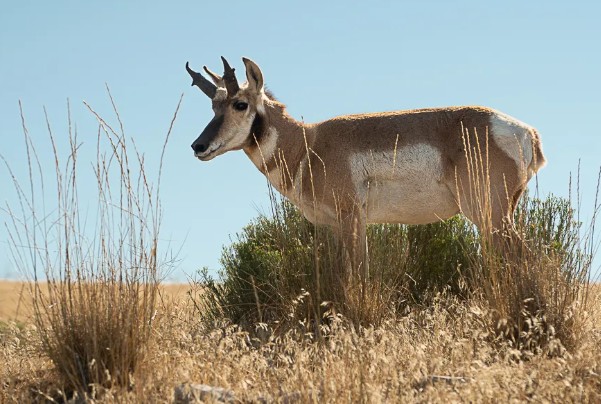
Antelope Island supports a surprising range of wildlife. Pronghorn antelope – the animal the island is actually named for – still roam here. They are more elusive than the bison. They are fast, cautious, and built for open terrain. Early explorer, John C. Frémont, noted their presence when he visited the island in 1845.
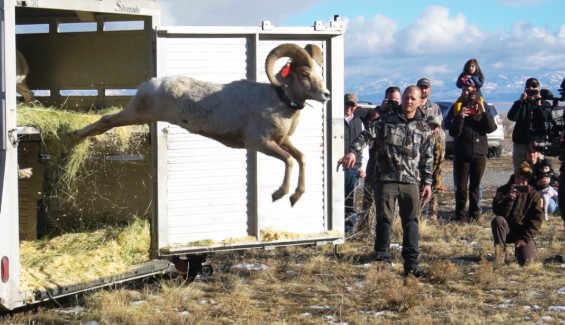
Even rarer are the island’s Bighorn sheep. They stay well inland and prefer some of the island’s higher and more rugged locations. Antelope Island has other inhabitants too. There are Sage Grouse, Terns, Mormon Seagulls, hawks, falcons, and the occasional Golden Eagle.
Birdwatchers find the island especially rewarding. The Great Salt Lake is one of the most important bird migration stops in the Western Hemisphere. Hundreds of species pass through the region each year. On and around the island, look for California gulls, white pelicans, terns, Sagebrush Grouse, hawks, falcons, and the Golden eagles.
A Window into the West
Antelope Island State Park is a special place. It has an extraordinary amount of history and nature in a single place. Ancient rock, prehistoric lake beds, pioneer ranches, and one of America’s great bison herds all exist together. The island sits in the middle of one of North America’s most unusual bodies of water…the Great Salt Lake.
Antelope Island is not just a day trip. It is a reminder of what this region looked like before highways and cities reshaped the landscape. The bison are still here. The rocks are still here. The shoreline of ancient Lake Bonneville is still visible. The silence at the water’s edge is still here. All are worth exploring.
The State of Utah has more details about what to see and do at Antelope Island State Park.
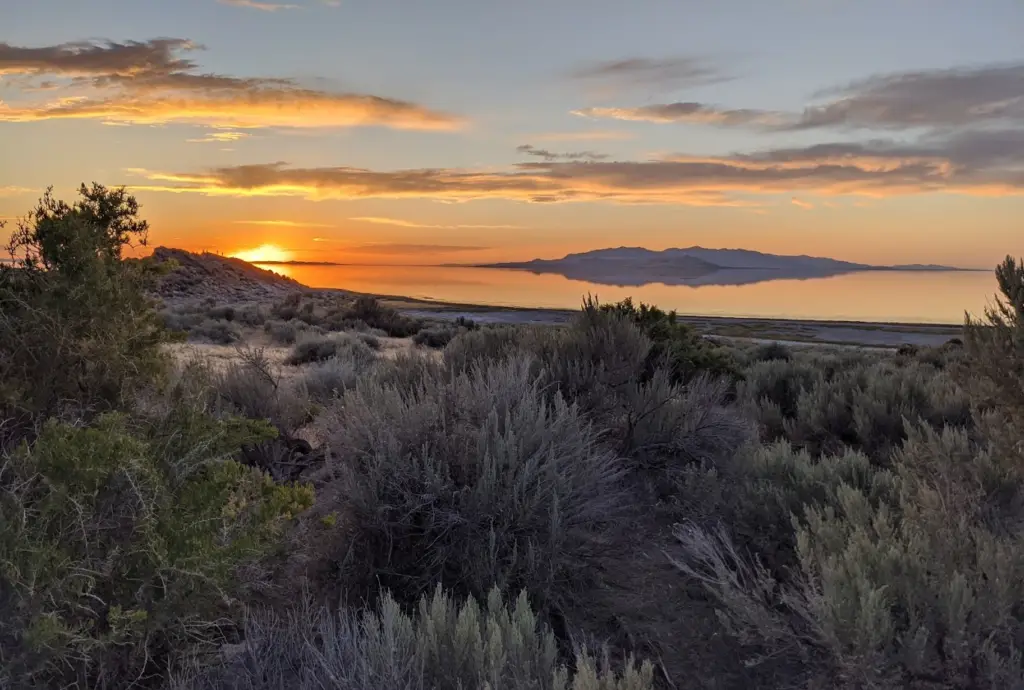
Photo: F R Lambrechtsen
Discover more from TheCuriousOnlooker
Subscribe to get the latest posts sent to your email.

This article has a lot more good information about Antelope Island: https://rootsrated.com/stories/the-fascinating-story-behind-antelope-island-state-park
Great article. I’ve lived in Utah for many years and have never been to Antelope island, even though it’s only a short drive. Bucket list for the near future!
Thanks Butch. Having Antelope Island on the bucket list is very much worth it. Have been many times. Don’t really get tired of it.