
Grand Canyon, Arizona: Nature’s Most Stunning Masterpiece
Stand at the South Rim of the Grand Canyon, Arizona, and your brain simply stops. Nothing in a photograph prepares you for the real thing. This is one of the most visited natural wonders on Earth — and for good reason. The Grand Canyon stretches more than 270 miles across northern Arizona, reaches nearly 18 miles wide in places, and drops over a mile straight down. It is raw. It is vast. And it has been building for nearly two billion years.
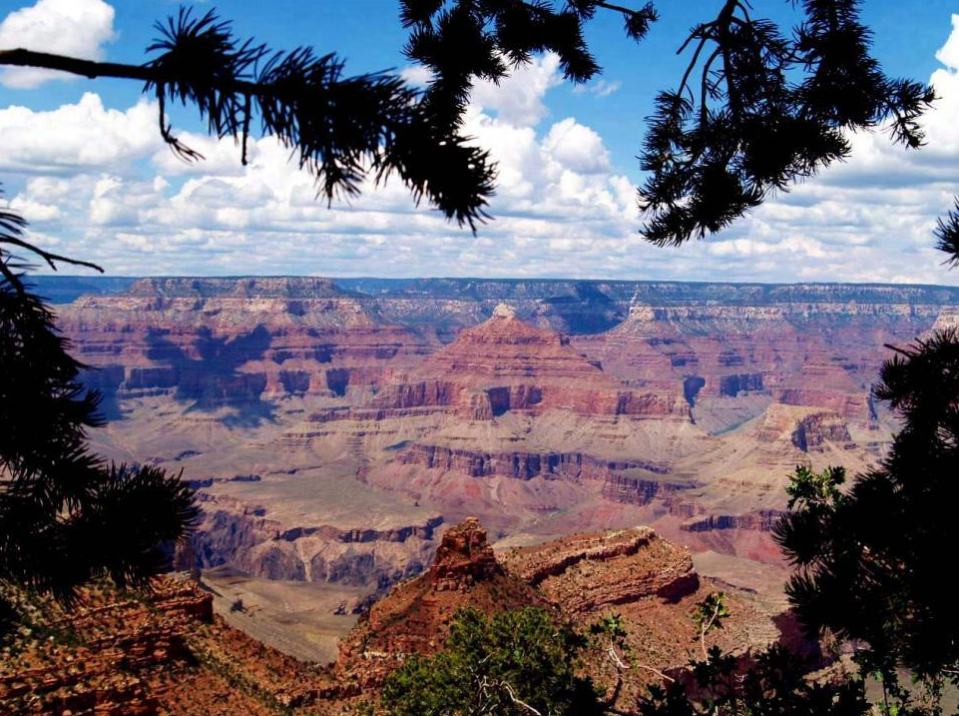
Photo: James R. Gray
Table of Contents
What You’ll Find Here
The Colorado River spent five million years carving this canyon — and the story behind that is wilder than you’d expect. Long before tourists arrived, Native American tribes called the canyon home and left a record that still shapes the region today.
The geology here is like a book with two billion years of Earth’s history written in the walls.
The Grand Canyon became a national park in 1919 — but the fight to protect it started much earlier and much closer to home.
How the Grand Canyon Formed
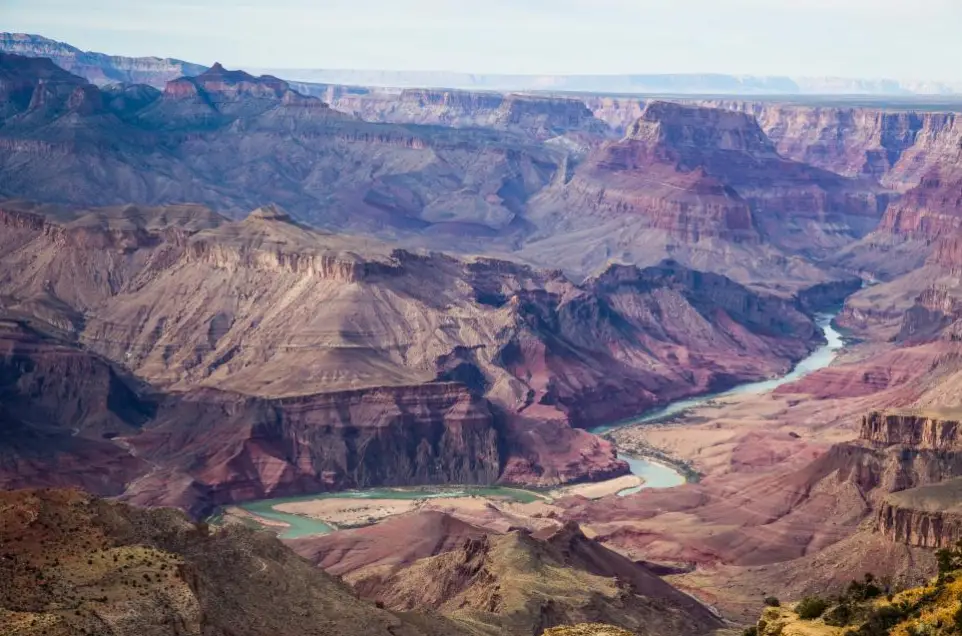
Wind and water did this. That is the short version. The long version is more remarkable. The Colorado River began cutting through the Colorado Plateau roughly five million years ago. As the land slowly pushed upward — a process geologists call uplift — the river kept cutting downward. Layer by layer. Century by century. The result is what you see today.
The canyon walls tell that story in color. Each band of rock is a different era of Earth’s history. The oldest rocks at the very bottom are nearly two billion years old. The layers above them were laid down by ancient seas, deserts, and swamps that no longer exist. Scientists estimate that the Grand Canyon exposes close to two billion years of geological time in a single glance. No museum on Earth can match that.
Rain, ice, and wind have also shaped the side canyons and buttes you see from the rim. Every storm that passes through moves a little more rock. The canyon is still being carved — just too slowly for human eyes to notice.
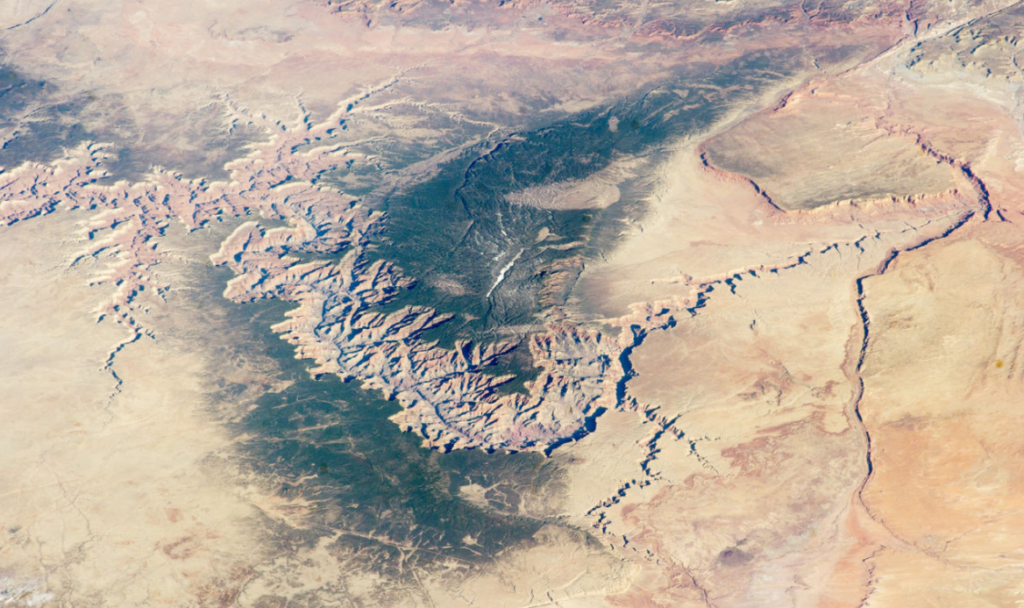
Photograph – NASA
The People Who Called the Canyon Home
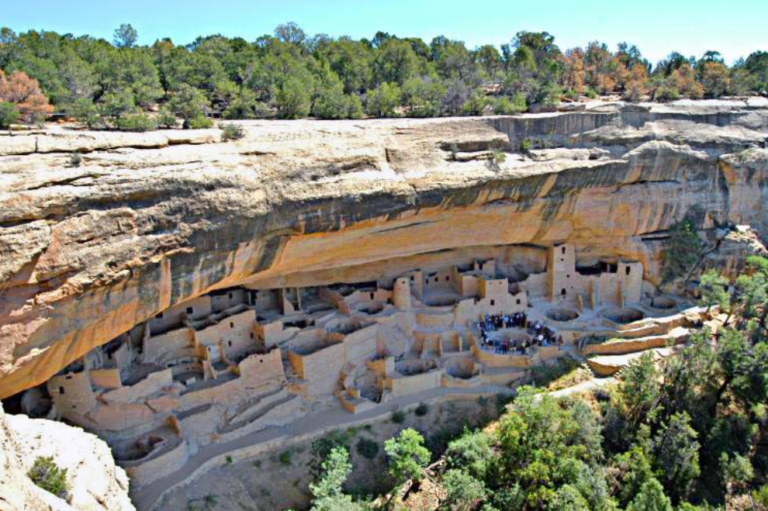
Long before anyone called it a national park, people lived here. The Ancestral Puebloans — also known as the Anasazi — built structures inside the canyon walls as far back as 2,000 years ago. Their split-twig figurines, found in canyon caves, date back even further — nearly 4,000 years. (Another article on TheCuriousOnlooker has more details about the Ancestral Puebloans.)
The Havasupai people have lived at the canyon’s western end for centuries. Their name means “people of the blue-green waters,” a reference to the stunning turquoise waterfalls that cascade through their reservation today. The Navajo, Hopi, Zuni, and Southern Paiute peoples all have deep ties to the canyon as well.
When Spanish explorers arrived in 1540, the Hopi guided them to the rim. The Spanish looked down into the canyon and had no idea how to reach the river. They gave up after three days. It would be more than 300 years before the next recorded European visit.
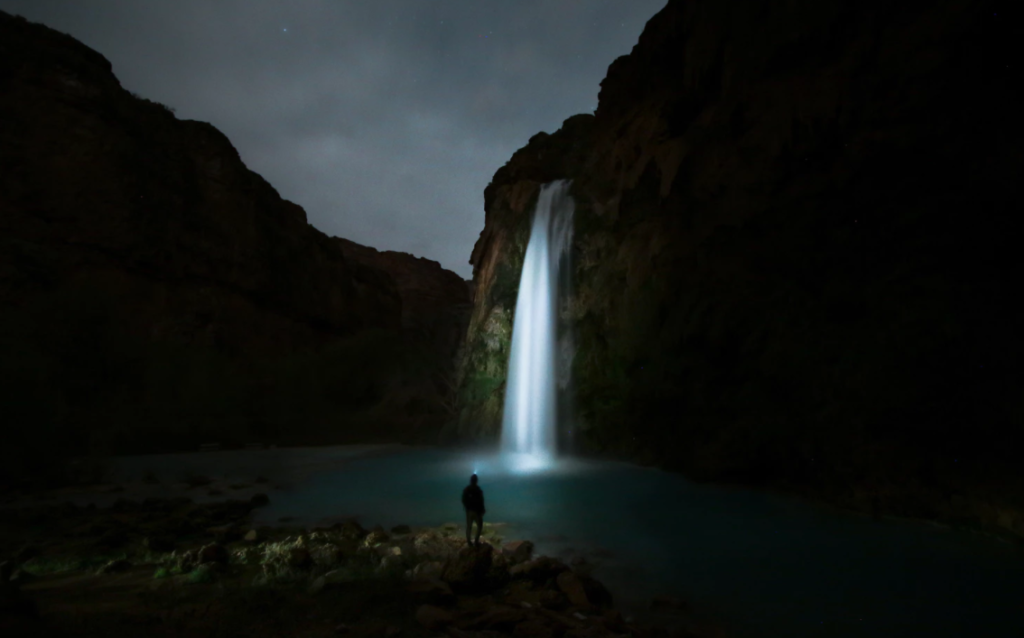
Photo – Jeremy Bishop
Grand Canyon National Park: A Fight Worth Having
President Theodore Roosevelt visited the Grand Canyon in 1903 and was stopped in his tracks. He told the crowd gathered there not to let anyone build on it, fence it, or change it in any way. “Leave it as it is,” he said. “You cannot improve on it.” He meant it. Roosevelt used the Antiquities Act to designate the canyon a national monument in 1908. It became a national park in 1919.
Today, the Grand Canyon draws around five million visitors each year. The South Rim is open year-round and offers the most accessible views. The North Rim sits about 1,000 feet higher and closes in winter due to heavy snowfall. Both rims reward visitors in completely different ways.
The Bright Angel Trail takes hikers from the South Rim all the way to the Colorado River below. Park rangers warn every hiker not to underestimate it. The walk down is easy. The walk back up, in desert heat, is a different challenge entirely.
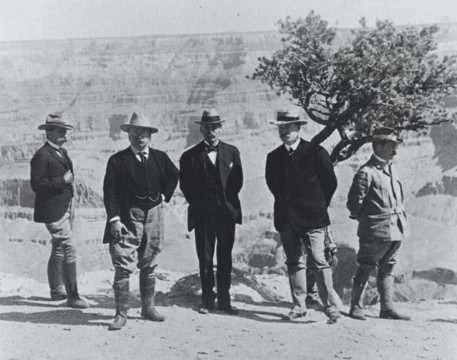
Photo: National Park Service
Getting to the Grand Canyon
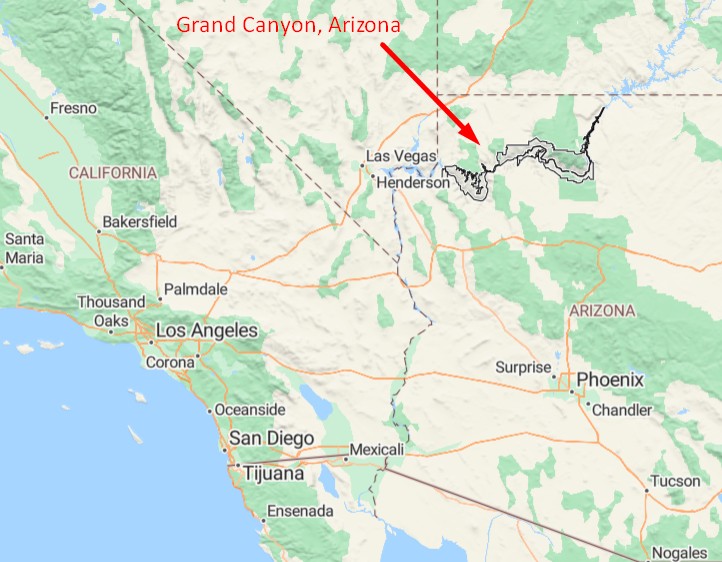
Most making a visit to the South Rim drive north from Phoenix on Interstate 17. They go to Flagstaff, then take Highway 180 northwest directly to the park entrance. That trip runs about four hours from Phoenix and passes through some of the most striking high desert scenery in Arizona.
Flagstaff itself is worth a stop all its own. It sits at 7,000 feet and has a solid selection of restaurants and hotels for an overnight before or after the canyon.
Visitors wanting to see the view from the North Rim typically approach by driving south from Kanab, Utah on Highway 89. That drive is through the Kaibab Plateau. It takes about 1.5 hours from Kanab and winds through beautiful forests of aspen and pine. The road ends with the quietest, most dramatic viewpoints in the American West.
Map: MS Bing
A Window into the West
The Grand Canyon is more than a pretty view. It is one of the oldest records of geological time on the planet. It is a home that humans have returned to for thousands of years. And it is a reminder of what the American West looks like when nature is left alone long enough to do its work. Few places on Earth make even the most distracted visitor stop, look, and feel genuinely small. That is not a flaw. That is the whole point.
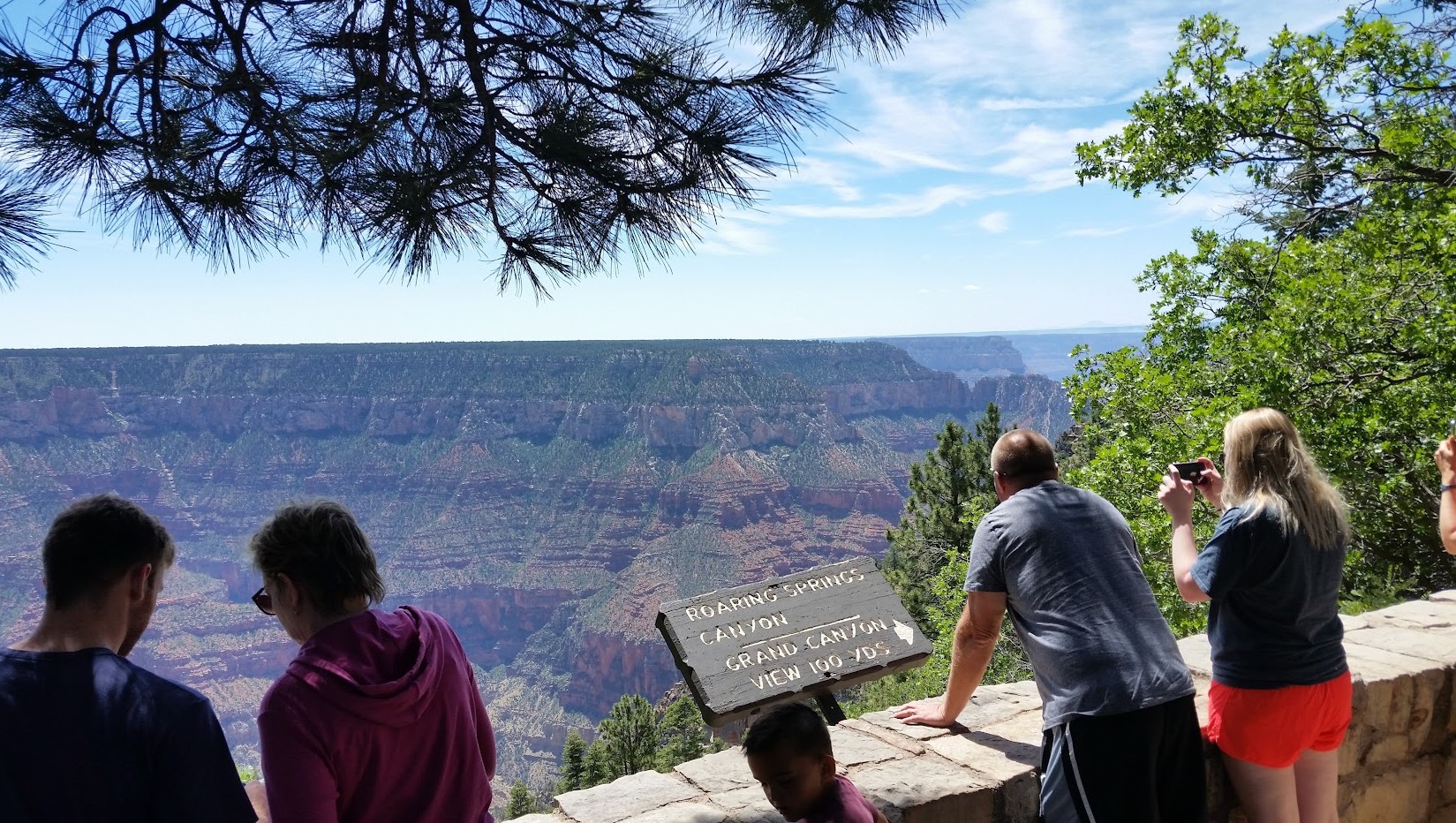
Photo: F R Lambrechtsen
The National Park Service has a lot more details about the Grand Canyon and helps for planning a visit.
Discover more from TheCuriousOnlooker
Subscribe to get the latest posts sent to your email.
Havasupai area is one of my favorite places on the entire planet. It is surreal and beautiful, I feel like I am visiting a Dr Seuss book. Some of my favorite memories for sure.
Thanks David. Glad you liked the article. Unfortunately for me, I haven’t been back since I was a teenager. I hope its been protected and kept well.