Glen Canyon Dam: The Mighty Wall That Tamed the Colorado River
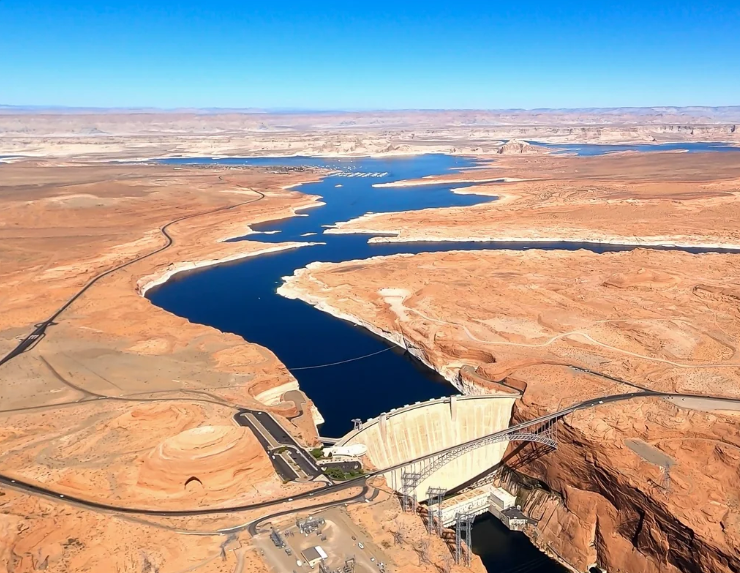
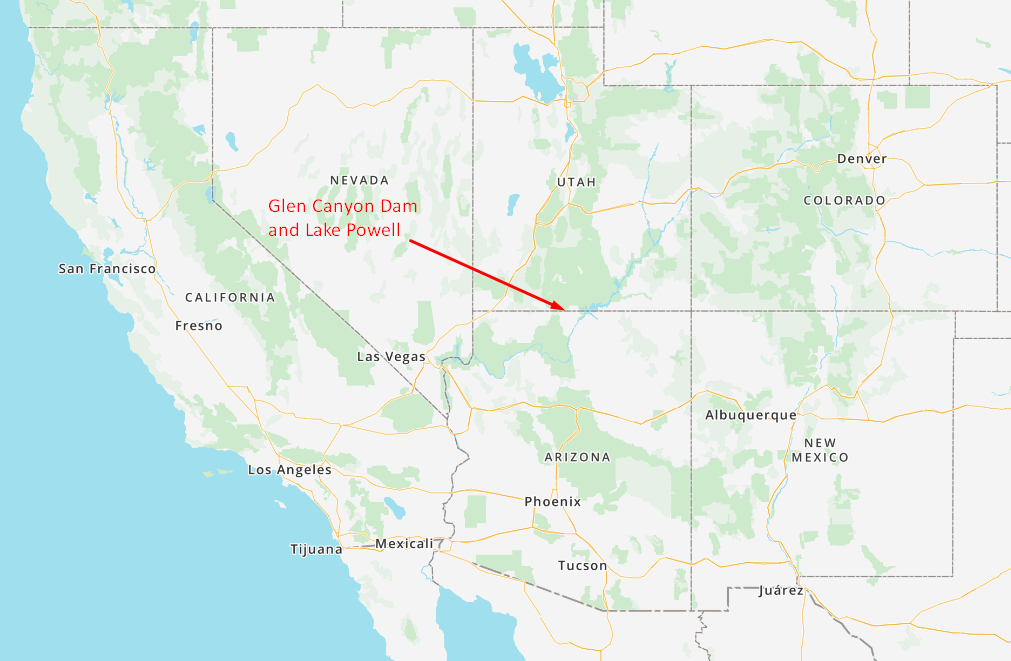
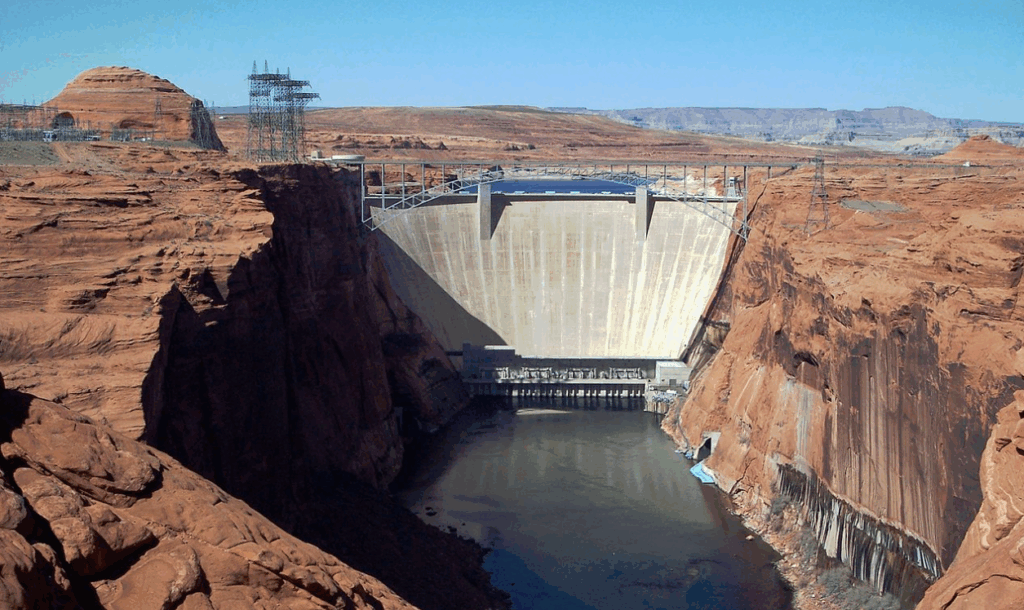
The Glen Canyon Dam is one of the largest and most famous in the United States. It is in northern Arizona, just outside the small town of Page. The dam holds back the waters of the Colorado River to form Lake Powell, the second largest water reservoir in the United States. It is a huge structure of concrete and steel. It is 710 feet tall and stretches 1,560 feet across Glen Canyon. When you stand near it, you will feel very small.
Highlights
- Massive Engineering Feat: Completed in 1963 after seven years of construction, the 710-foot-tall Glen Canyon Dam holds back the Colorado River in Northern Arizona using over 5 million cubic yards of concrete.
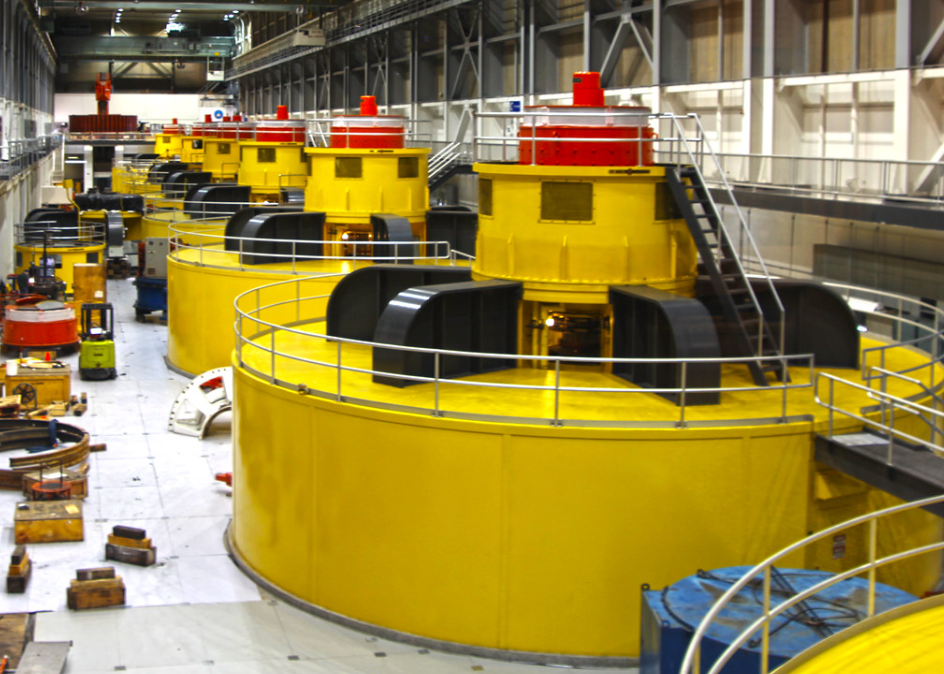
- Crucial Water & Power Hub: The dam created Lake Powell—stretching 186 miles into Utah—to store critical water supplies for millions while generating clean electricity via eight large hydroelectric turbines.
- Rich Regional History: The surrounding canyon lands encompass thousands of years of Native American heritage, later explored by John Wesley Powell during his famous 1869 river expedition.
- Purpose-Built Community: The nearby city of Page, Arizona, was originally established in 1957 by the U.S. government strictly as a temporary housing site for dam construction workers.
- Ongoing Environmental Debate: While Lake Powell transformed the region into a major destination for outdoor recreation, the submergence of natural canyons and cultural sites continues to spark environmental discussion.
Why Was It Built?
The Colorado River once flowed freely through the deep canyons of the American southwest. The river flooded often and its waters could not be controlled. In the 1950s, the U.S. government decided to build a dam to control the river and store its water. Construction began in 1956. Thousands of workers came to the remote desert to work on the dam. They lived in a new town called Page. The town was built just for the workers. The project took seven years to complete. In 1963, the last bucket of concrete was poured.
The dam made it possible to store water for millions of people. It also provides electricity. Inside the dam there is a large hydroelectric power plant. Today, the power from Glen Canyon Dam provides electricity to homes and businesses across seven western states.
Lake Powell
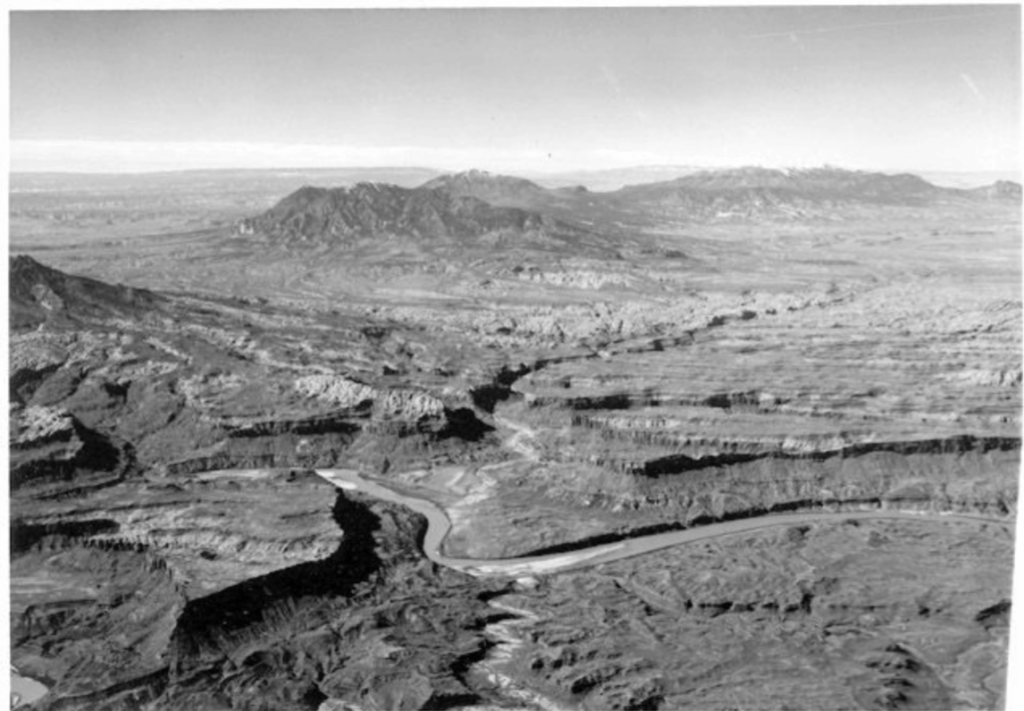
Behind the dam is Lake Powell. It was named after explorer John Wesley Powell. The lake stretches 186 miles from Arizona up into Utah. The arms of the lake fill more than 90 side canyons. The blue water of the lake contrasts against the red sandstone cliffs that surround the lake. Many think Lake Powell has become one of the most beautiful places in the American West. Thousands of boaters, swimmers, anglers, and campers visit the lake each year.
The lake also hides many canyons and rock formations that were once famous. Some people were sad to see these natural wonders covered by water. Others saw the lake as a great new recreation area. Even today, the debate continues for and against the lake.
Glen Canon and History
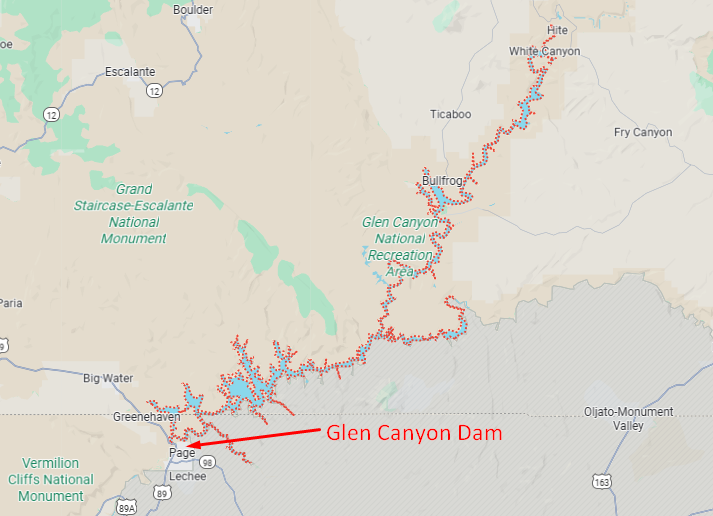
The Glen Canyon area has a long human history. Native American people lived in the canyons for thousands of years. They left behind petroglyphs, pottery, and cliff dwellings. Many of these sites are now under the waters of Lake Powell, but others can still be visited.
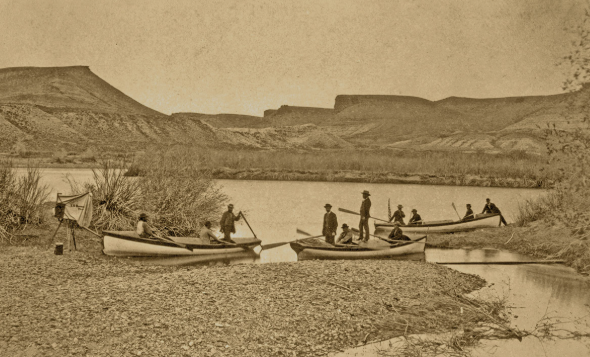
The Colorado River through Glen Canyon was once known for its challenging rapids and beautiful scenery. Explorer John Wesley Powell led expeditions down the river in the late 1860s. His journals described the towering cliffs and the difficulties of navigating the wild river.
Glen Canyon Dam Today
Glen Canyon Dam can be visited today. The Carl Hayden Visitor Center is in Page, Arizona. From there, you can walk onto the dam and look down at the Colorado River. Tours are offered inside the dam. Down below you can see the massive turbines that create electricity. Not far from the dam, you can also explore Horseshoe Bend, a dramatic curve in the Colorado River that offers one of the most photographed views in the United States.
More Than Just A Wall
The Glen Canyon Dam is more than just a wall of concrete. It is a story of how people changed a mighty river to meet their needs. The dam shows the creativity of human engineering. It is also a reminder to us of what was lost when the canyons were filled with water. Whether you are interested in history, nature, or breathtaking views, the Glen Canyon Dam is one of the most interesting things in the American West.
Standing on the dam, with the desert sun on your face, it is easy to understand why Glen Canyon Dam remains one of the most remarkable achievements in the American West.
- If you’re curious, here are more articles about interesting people, places, and things in Arizona.
Discover more from TheCuriousOnlooker
Subscribe to get the latest posts sent to your email.