
What Forgotten Struggles Shaped the Oregon Trail Through Idaho?
The historic Oregon Trail through Idaho was a long and difficult route for early American pioneers. Thousands of families traveled west in covered wagons during the nineteenth century. They left their homes to find fertile land and gold. This specific part of the journey across the modern state of Idaho brought many new challenges. Travelers had to navigate dry plains, deep rivers, and rocky paths. It became one of the most critical sections of the entire overland migration.
Table of Contents
The Origins of the Historic Route
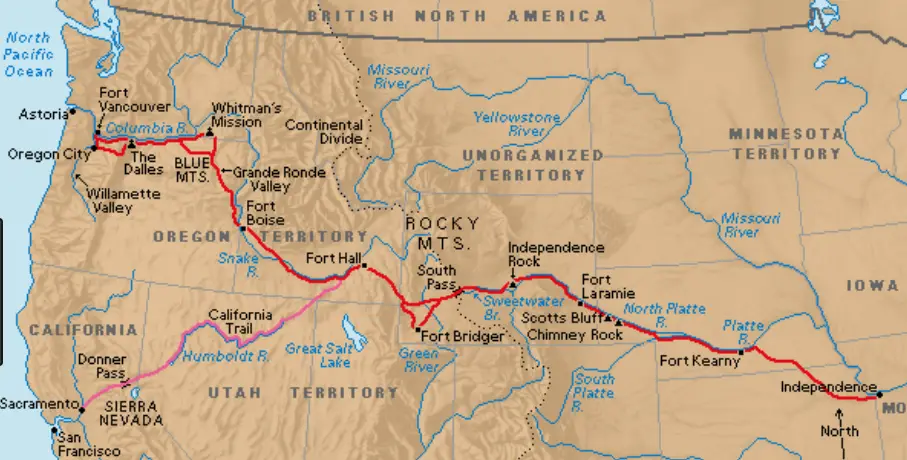
The Oregon Trail started in 1811. It was used by fur trappers, traders, and mountain men. At first, it could only be used either on foot or on horseback. Wagons first started passing over the trail in the late 1830’s. The trail started near Independence, Missouri. Travel was mostly east to west. People in the east heard there was good, fertile land…and plenty of it. Others heard stories of gold in the mountains of California. The road they all took heading west was the Oregon Trail.
Families gathered in Independence, Missouri, to begin their long trek toward the Pacific Ocean. They traveled over two thousand miles across the continent to reach their destination. The path across the territory became a permanent highway for people seeking a new life. It solved the problem of how to move large groups of citizens safely across the vast mountains.
– historyglobe.com
Steering Through the Volcanic Desert
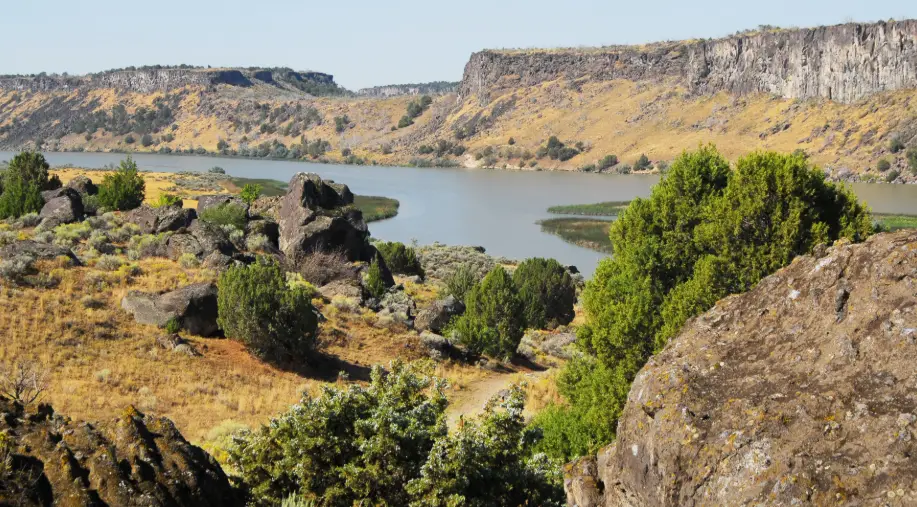
Long before covered wagons arrived, fur trappers and Native Americans traveled along these western paths. The route started in 1811 as a simple trail for people traveling on foot or horseback. Furs were traded at small mountain outposts across the region. In the late 1830s, the first large wheeled wagons began to roll across the terrain.
Families gathered in Independence, Missouri, to begin their long trek toward the Pacific Ocean. They traveled over two thousand miles across the continent to reach their destination. The path across the territory became a permanent highway for people seeking a new life. It solved the problem of how to move large groups of citizens safely across the vast mountains.
– visitidaho.org
The Critical Choice at Fort Hall
Fort Hall was a famous trading post built near the modern city of Pocatello. It was a vital resting place where travelers bought extra food, gunpowder, and fresh clothes. The workers at the fort repaired broken tools and helped sick travelers. It gave pioneers hope after they completed two-thirds of their long journey.
At the Raft River Valley, families had to make a very important decision. This junction was known to every traveler as the parting of the ways. One path continued northwest toward the green valleys of the Oregon Territory. The other path turned southwest across the dry Great Basin desert toward the gold fields of California.
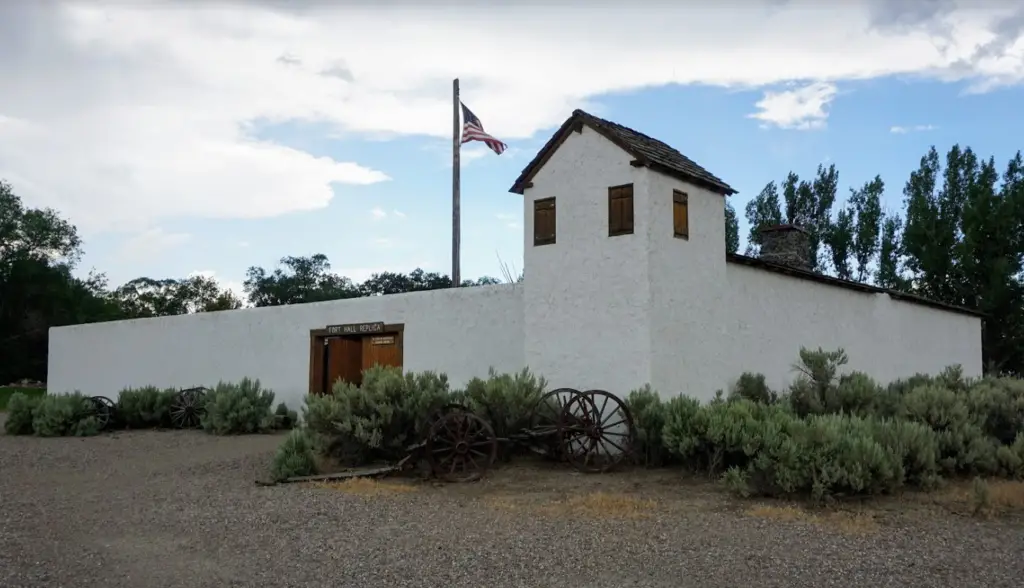
Photo – F R Lambrechtsen
To Oregon or California?
About 15 miles west of Massacre Rocks, Idaho, is the Raft River Valley. It was a vital turning point for thousands of early American pioneers. At this place, known to all as the “parting of the ways,” travelers had to make a final choice about their future. One path continued northwest toward the fertile farming valleys of the Oregon Territory. The other fork turned southwest across the dry, hot Great Basin desert toward the rich gold fields of California.
This spot was important because it changed the lives of migrating families forever. Making the decision meant committing to entirely different destinations and opportunities. The choice split up traveling companions. It split up families who had walked together for over one thousand miles. Today, this historic parting remains a powerful symbol of the dangerous, life-changing decisions that shaped the early settlement of the American West.
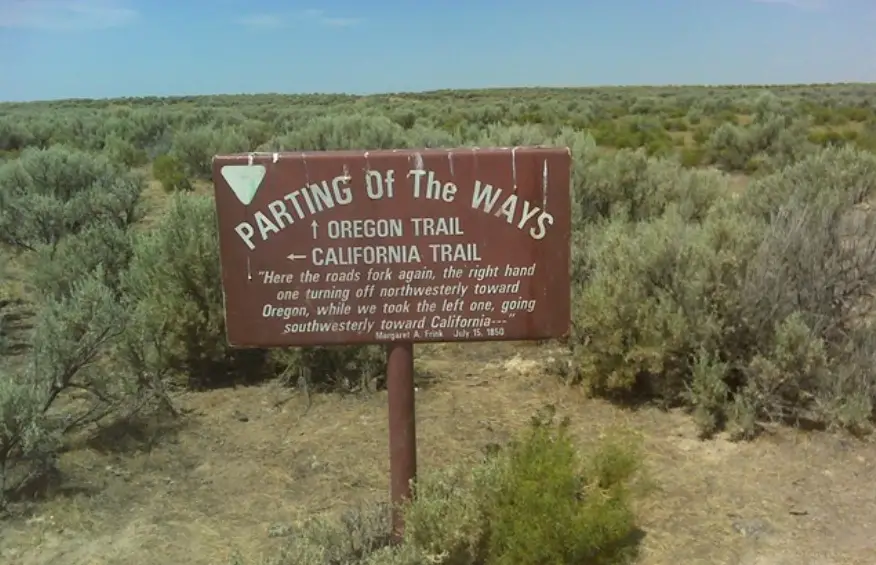
– geocaching.com
The Final Outposts and the Iron Horse
Wagons that continued northwest traveled safely past Fort Boise toward the Blue Mountains. This fort provided another safe place to stop before the pioneers faced the final hills. Today, the historic Oregon Trail Interpretive Center near Baker, Oregon, preserves these memories. Visitors can see large dioramas and real tools used by the early travelers.
The long era of the wagon trains ended quietly in the summer of 1869. The first transcontinental railroad was finally completed across the United States. Traveling by train took only days instead of many months of walking. The old dusty paths were abandoned as the modern world rushed forward into the west.
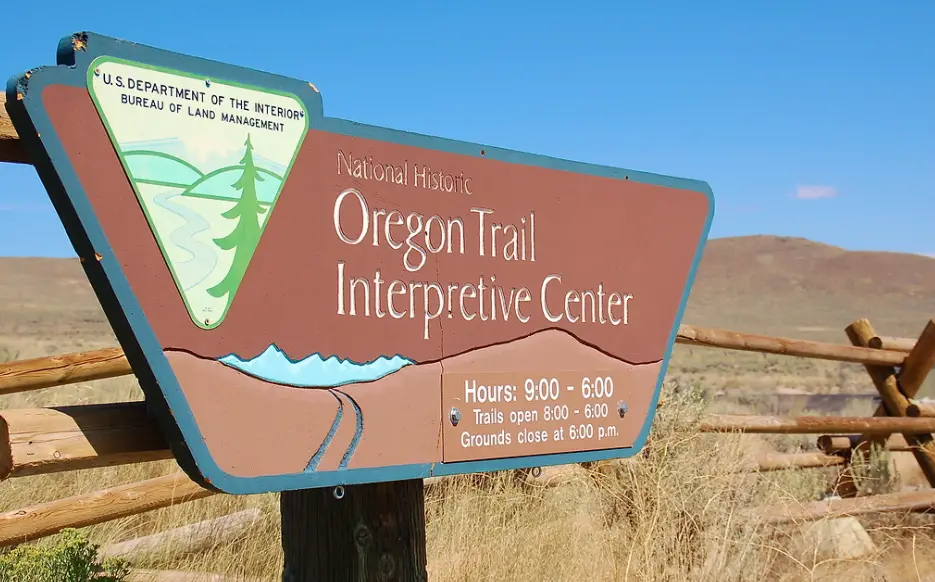
– Laurie Crow Nocia
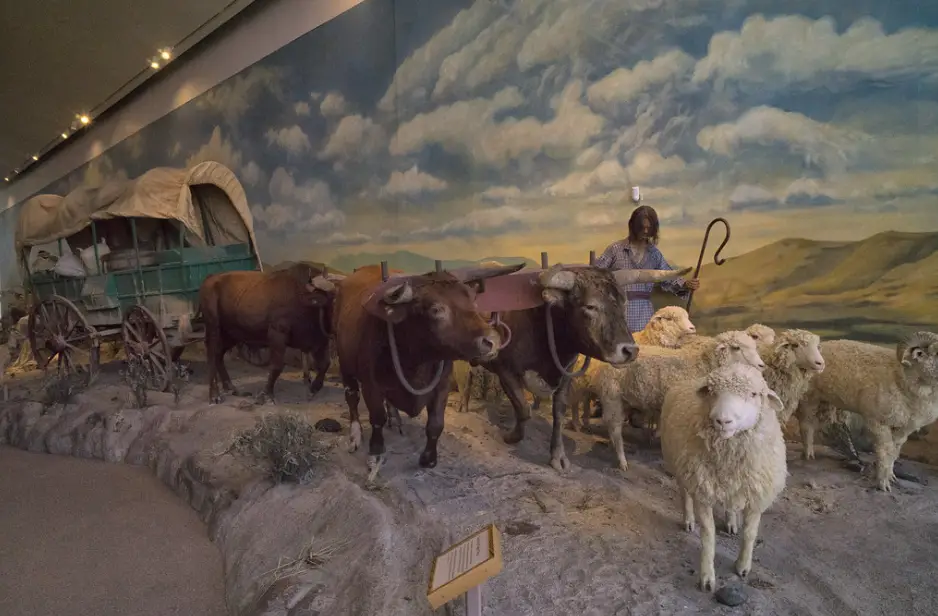
– Graeme Churchard
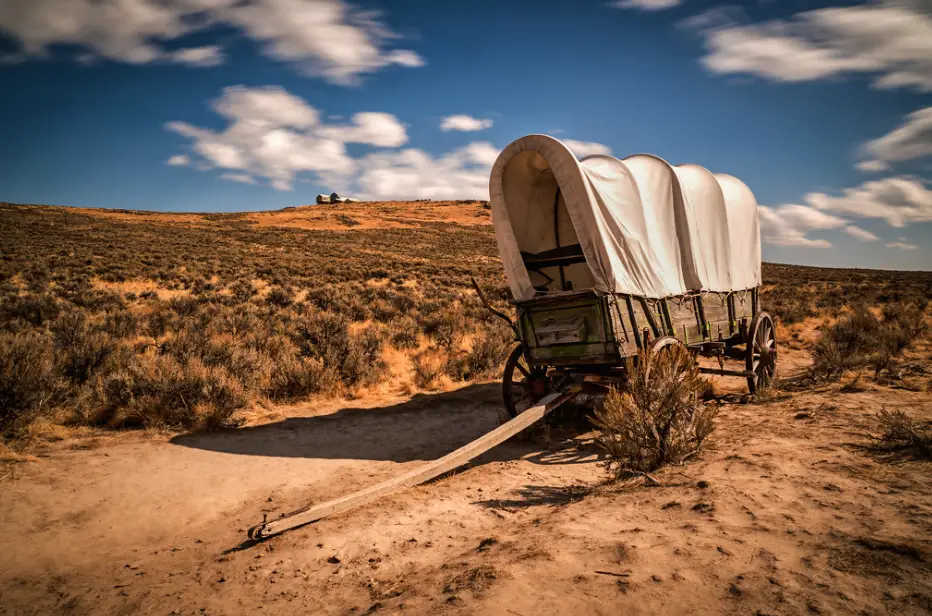
– Oregon State Archives
Echoes of the Basin
The historic path left a permanent mark on the geography of the American West. Today, modern drivers travel swiftly along Interstate 84 and Interstate 86 through Idaho. These highways were paved directly over the original tracks of the pioneer wagons. The choices made by early travelers helped establish the towns and cities we visit today.
We can still see the deep wagon ruts cut into the earth near the river banks. They remind us of the great determination shown by ordinary families long ago. The story of the Oregon Trail through Idaho is an essential chapter in the history of the American West. It shows how determined people shaped the landscape of the Intermountain region.
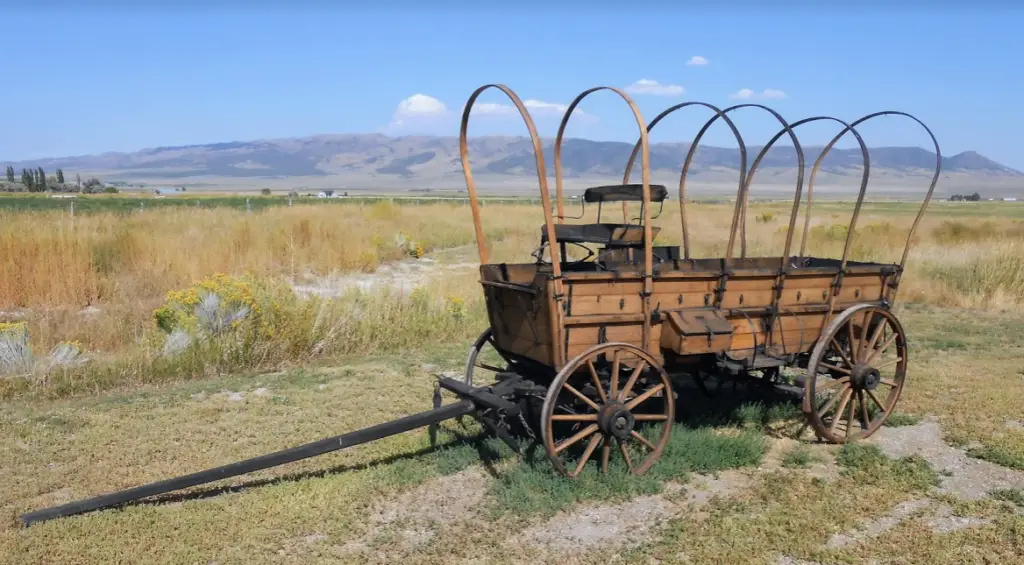
Photo – F R Lambrechtsen
- The State of Idaho offers detailed information about the Oregon Trail through the region here.
- If you’re curious and want to learn more about interesting people, places, and things in Idaho, have a look here.
Discover more from TheCuriousOnlooker
Subscribe to get the latest posts sent to your email.