Why Are Triceratops Fossils So Common in Wyoming?
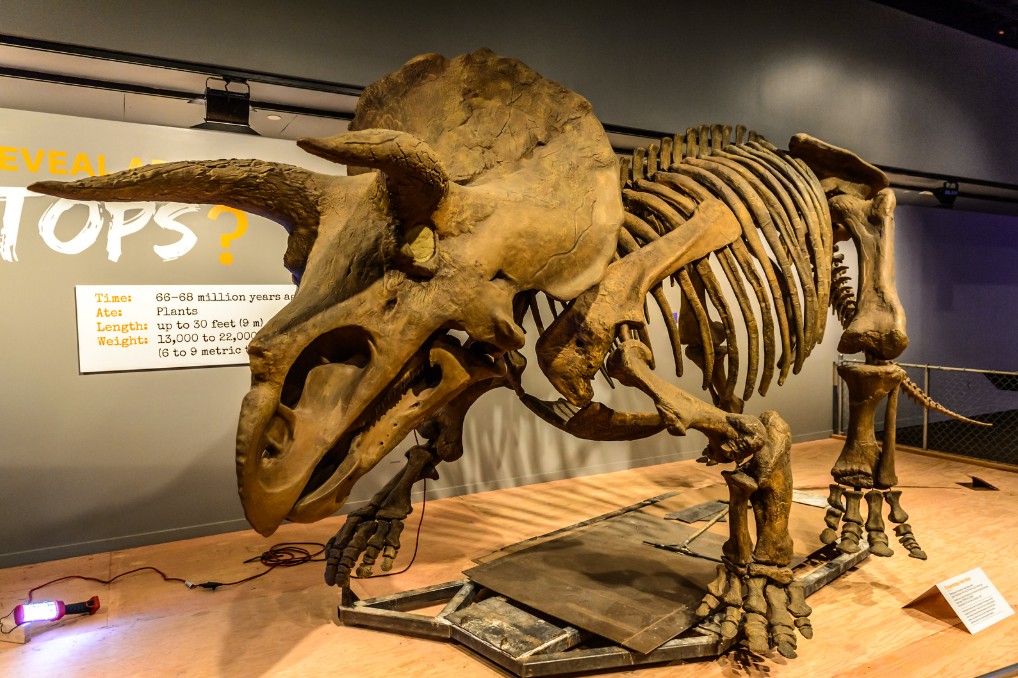
There are a lot of Triceratops fossils in Wyoming, perhaps more than almost any other place on Earth. Paleontologists call finding one “easy.” Bone hunters have dug up skulls, horns, and whole skeletons across the state’s badlands. In 1994, Wyoming made it official. Lawmakers named Triceratops the state dinosaur. The three-horned giant once roamed here 66 million years ago. Today, its bones still rise from the dust of eastern Wyoming. This is the story of how a plant-eating giant became a state symbol.
Key Takeaways
- Wyoming is a Triceratops treasure trove. Discover why the state’s ancient landscapes have yielded so many fossils of this famous three-horned dinosaur.
- A scientific rivalry helped uncover a prehistoric giant. The legendary Bone Wars, a mistaken identification, and a surprising discovery helped introduce Triceratops to the world.
- Some discoveries are anything but ordinary. From multiple skeletons buried together to remarkable skull discoveries, Wyoming’s fossil beds continue to surprise paleontologists.
- Wyoming’s state dinosaur is still making history. Learn why Triceratops became an official state symbol in 1994 and where visitors can experience real dinosaur discoveries today.
A Rivalry That Led to a Discovery
In the 1870s, two rival scientists raced across the American West. Othniel Charles Marsh and Edward Drinker Cope both wanted fame. They wanted to find the biggest, strangest dinosaurs first. Their contest became known as the Bone Wars. In 1872, workers found broken bones near the Green River in Wyoming. Cope named the creature Agathaumas. He did not know it was a Triceratops.
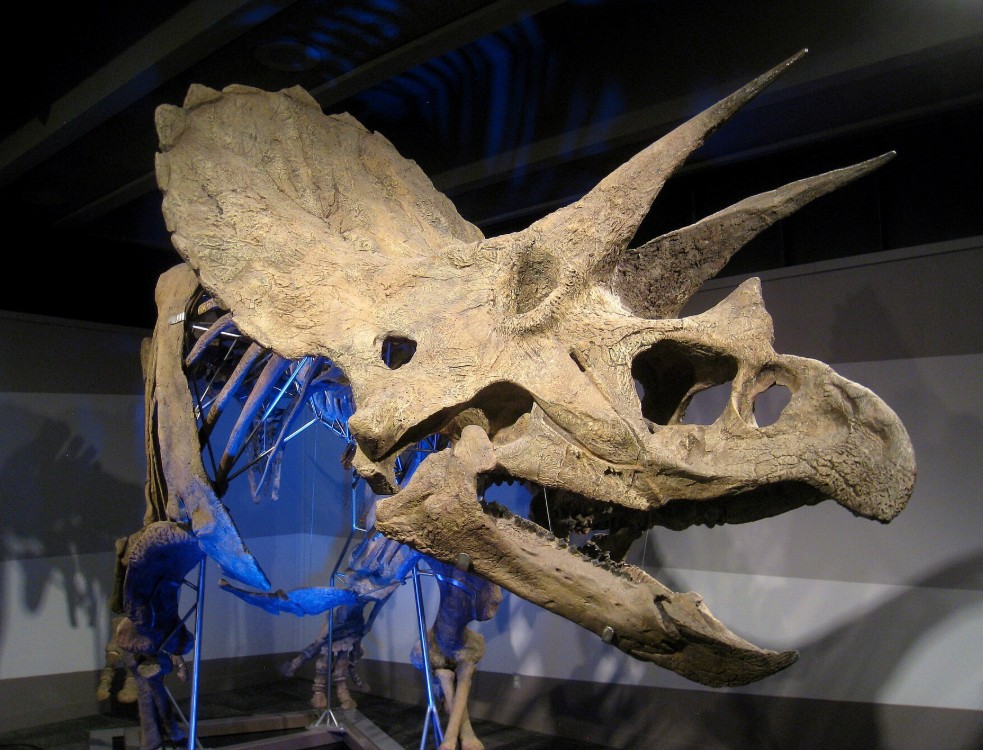
Marsh made the real breakthrough later. In 1887, he found a strange horn. He thought it came from an ancient bison. A year later, he found a complete skull and realized his mistake. In 1889, Marsh gave the dinosaur its true name: Triceratops, meaning “three-horned face.” Wyoming had given science one of its most famous dinosaurs.

Wyoming: Rich Ground for Triceratops
Most Triceratops fossils in Wyoming come from one place: the Lance Formation. This band of rock stretches across eastern Wyoming and formed near the end of the age of dinosaurs. Sixty-six million years ago, Wyoming looked different. Warm rivers and lush plants covered the land. Triceratops grazed near the water. When they died, mud and sand buried their bones.
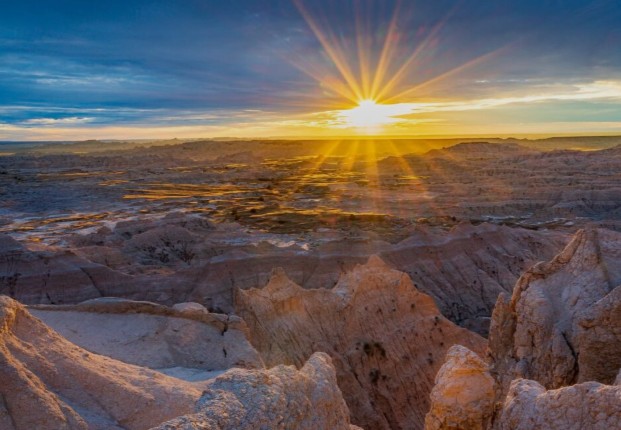
Over millions of years, that mud turned to stone. Today, wind and rain wear away the rock. This uncovers bones no one has seen in millions of years. Ranchers in Niobrara, Weston, and Converse counties often find them first. Some walk right past skull fragments lying on the surface. One expert says finding a piece of Triceratops skull is almost easy. The bones are so common that scientists sometimes feel disappointed, hoping for something rarer. Still, every bone tells a story about ancient Wyoming.
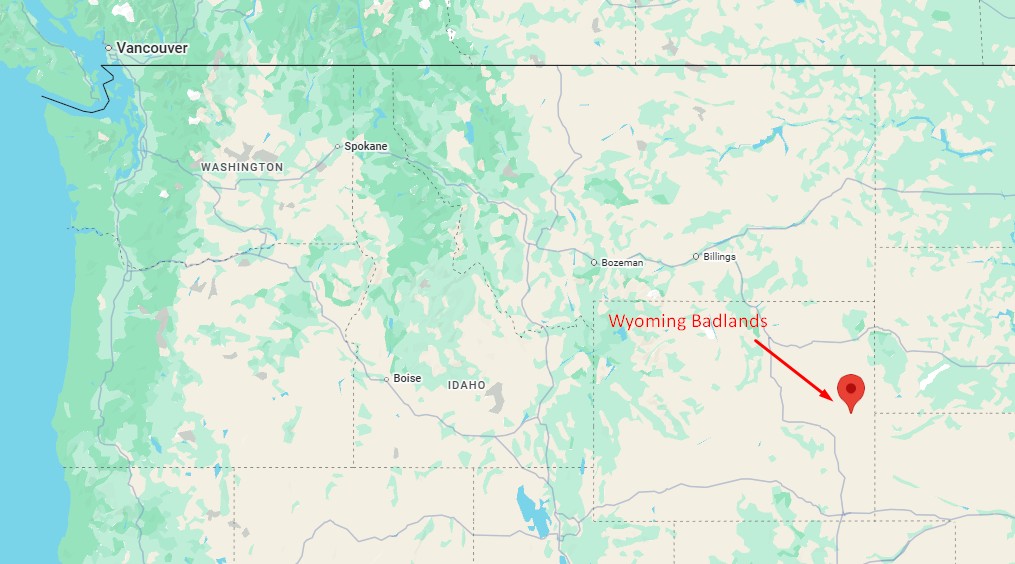
Map: Google
More Than a Dime a Dozen
Some finds still make headlines. In 2012, diggers near Newcastle found three Triceratops together, a rare discovery. The group may have included an adult, a smaller adult, and a young Triceratops. A year later, workers found a fourth skeleton nearby. Excavators removed 250 bones from that site, calling it one of the most complete Triceratops groups ever found.
Near Glenrock, hunters found a skull nicknamed “Lady Stephanie.” It gave an entire dig site its name: Triceratops Gulch. Visitors can now join real digs there each summer. Wyoming also gave the world its first museum-ready Triceratops skull. In 1895, a professor from Kansas traveled to Lusk, Wyoming, and collected the first Triceratops skull ever put on public display.
Wyoming Names Its State Dinosaur
Triceratops became more than a fossil. It became a symbol. On March 18, 1994, Wyoming lawmakers made it official and named Triceratops the state dinosaur. The choice made sense. Triceratops fossils turn up across the state more than almost any other dinosaur. Wyoming already had a state fossil too. In 1987, lawmakers chose Knightia, a small ancient fish, for that honor. Some might expect a fiercer choice, like Tyrannosaurus rex. But Triceratops earned its spot honestly. It is common, recognizable, and tied deeply to Wyoming’s ground.
The dinosaur also carries a peaceful message. Triceratops was a plant eater. It used its horns mainly for defense, not attack. That fits a state proud of ranching, wide-open land, and quiet endurance. Today, Triceratops appears in Wyoming classrooms, museums, and tourism materials, a reminder of the deep time hidden beneath the soil.
Where to See Triceratops Today
Visitors do not need a shovel to see a Triceratops fossil. Several museums display bones found right in the state. The Tate Geological Museum in Casper shows fossils collected nearby. The Wyoming Dinosaur Center in Thermopolis lets visitors watch real digs in progress, and families can join a “Dig for a Day” program.
Near Glenrock, the Triceratops Gulch Project invites citizen scientists to help. Participants search real rock layers for bones, teeth, and fossil plants. Many leave with dust on their boots and a story to tell. Fossil tourism also helps small Wyoming towns. Visitors need gas, food, and hotel rooms. A single dinosaur bone can bring travelers from across the country. Each summer, new discoveries add to the record, and Wyoming’s fossil beds keep giving up pieces of an ancient puzzle.
A Giant Still Rising from the Ground
Triceratops fossils in Wyoming connect people to a time before mountains and rivers. Triceratops roamed during the last days of the dinosaurs. Scientists believe they vanished when an asteroid changed the planet forever. Millions of years later, Triceratops fossils appear in Wyoming’s hills. The story of Triceratops is really the story of the American West. Both were shaped slowly, by wind, water, and time. Both hide surprises just beneath the surface.
Every rancher who finds a bone becomes part of that story. Every museum visitor adds a new chapter. Wyoming’s badlands remain one of the best places on Earth to meet a dinosaur face to face. The next Triceratops is likely still out there waiting in the rock for someone curious enough to look.
- More information about Triceratops fossils in Wyoming can be found here.
- If you’re curious, more interesting articles about interesting people, places, and things in Wyoming can be found here.
Discover more from TheCuriousOnlooker
Subscribe to get the latest posts sent to your email.