Bagdad, Arizona: The Little Town That Dug a Giant Hole in the Desert
Bagdad, Arizona, is a small copper mining town located about 100 miles northwest of Phoenix in Yavapai County, tucked into the dry mountains along State Route 96. The town sits on top of one of the richest copper deposits in North America, and the mine operating there today still ranks among Arizona’s top copper producers. Bagdad is also one of the last true company towns in the American West — a place where nearly every house, school, and business exists because of a single mining operation.
Key Takeaways
- Bagdad, Arizona, began as a copper mining camp in the late 1800s and grew into a company town in Yavapai County.
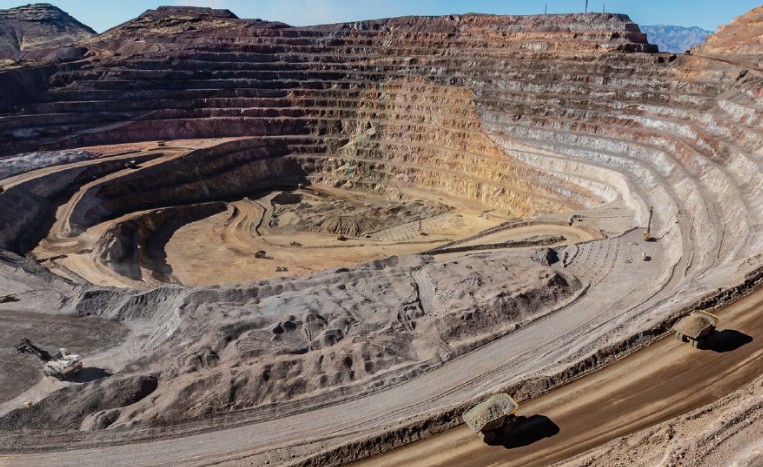
- The Bagdad Mine is more than 2,000 feet deep and nearly a mile wide, making its massive open pit the defining feature of the community.
- Copper still drives Bagdad’s economy. Freeport-McMoRan operates the mine and maintains much of the surrounding town infrastructure.
- Bagdad remains a remote mining community about 100 miles northwest of Phoenix, reached primarily by State Route 96.
- The Bagdad copper mine is private property and not open for public tours, although the surrounding landscape offers views of the mining operation.
A town with a surprising name
On a lonely highway in western Arizona a small sign reads: Bagdad.
The name feels out of place. Bagdad…in the American desert, really? Not in the Middle East somewhere? Travelers slow down. Some laugh. Some stop for a photo. Most have no idea that this quiet place helps build the modern world. Bagdad, Arizona, sits high in the mountains, about 100 miles northwest of Phoenix. The land is dry and rocky. The air smells of dust and sage. Hills roll out in soft browns and reds. It looks empty. But under the ground lies one of the richest copper deposits in North America. And that is how Bagdad was born.
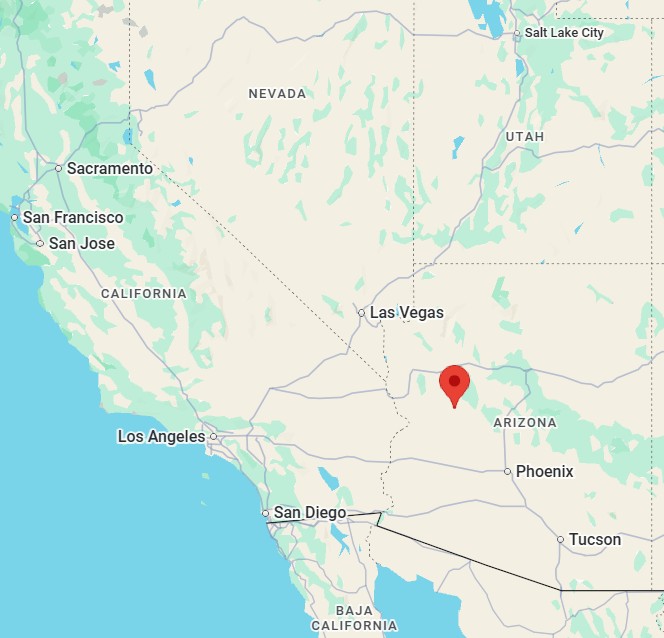
Map: Google Maps
How copper built a town
Bagdad began as a mining camp in the late 1800s. Prospectors came first. They were chasing copper, not gold. Copper was in high demand. It was used for wires, pipes, and machines. A growing country needed lots of it. Tents went up. Then wooden shacks. Then a real town. By the early 1900s, the mine was booming. A company store opened. So did a school, a post office, and small homes for families.
Life here was simple. Dusty boots. Long shifts. Hard work. Miners drilled deep into the hills. Ore cars rattled on narrow tracks. Steam whistles marked the start and end of each day. Copper paid the bills. Copper kept the lights on. Without it, Bagdad, Arizona, would not exist.
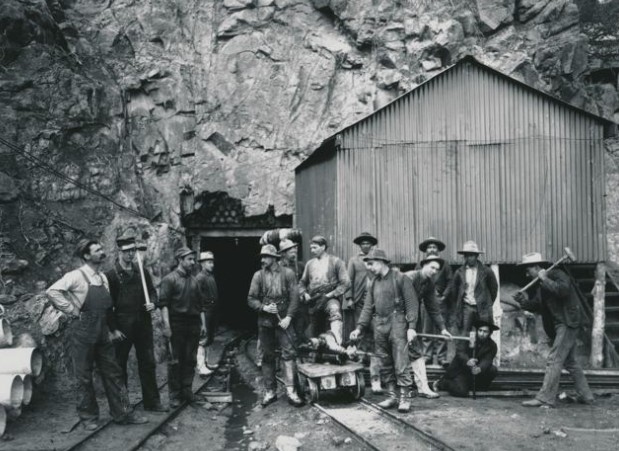
Photo: Arizona Mining History Association
The giant hole in the earth
Today, the mine looks almost unreal. Instead of tunnels underground, Bagdad has a HUGE open pit. It’s over 2000 feet deep! The pit is nearly a mile wide. It is like a crater, except it was made by people. Terraces step down in giant rings. Trucks the size of houses crawl along the roads like toys. From a distance, it looks small. Up close, it is massive. These trucks carry tons of rock with each load. The rock is crushed and treated to pull out tiny bits of copper.
It takes a lot of stone to make only a little metal. But the numbers add up. The Bagdad Mine is still one of Arizona’s top copper producers.The copper inside your phone, car, or home wiring might have started right here. That is a strange and wonderful thought.
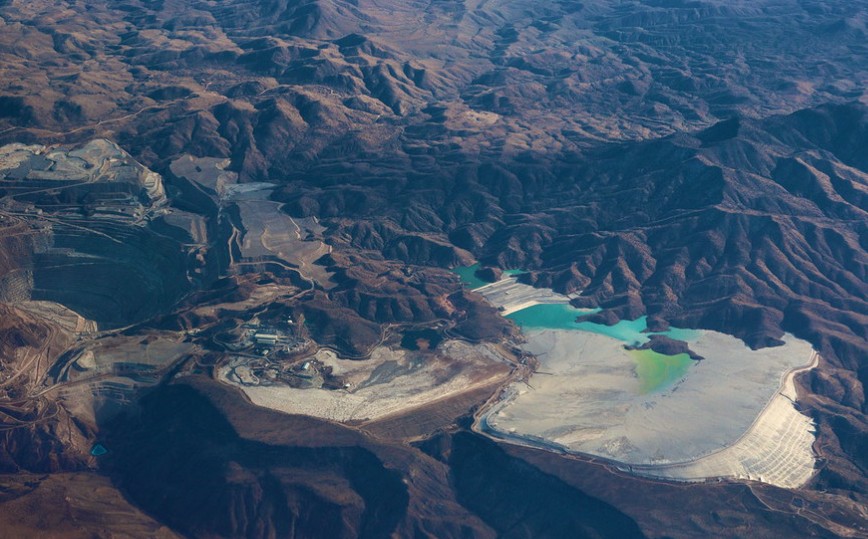
Photo: Jeff
Life in a “company town”
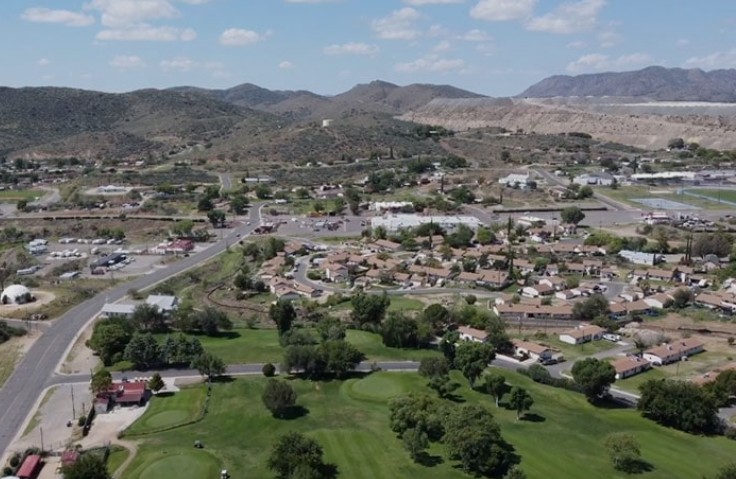
Bagdad, Arizona, is not just a mine. It is a community. Most of the people who live here work for the Freeport-McMoRan mining company. The company built much of the town itself. There are neat rows of houses. A small grocery store. A school. A medical clinic. A park with green grass that feels bright against the desert. Kids ride bikes in the evening. Neighbors know each other by name.
It feels safe and close, like an old-fashioned town. There is even a small museum that tells the story of the miners and their families. Old photos show dusty streets, mule teams, and smiling workers covered in grime. These are not famous people. They are ordinary people. But they built something lasting. Their stories are special.
Does Bagdad still matter?
Bagdad represents something more than just copper. It shows how Americans built communities in remote places. It shows how they survived isolation, how they turned barren land into productive ground. The town doesn’t have a movie theater. There are no shopping malls. No fancy restaurants. Traffic is light. But the night sky is filled with stars! The mornings are still and quiet. It has people who know their neighbors.
Bagdad also reminds us that America still makes things. The copper from the mine becomes electrical wire. It helps power homes, schools, and hospitals. It helps connect our modern world. The town is at a crossroads. Will company towns like Bagdad survive in the future? Can communities thrive when one company controls everything? These questions matter beyond Bagdad, Arizona.
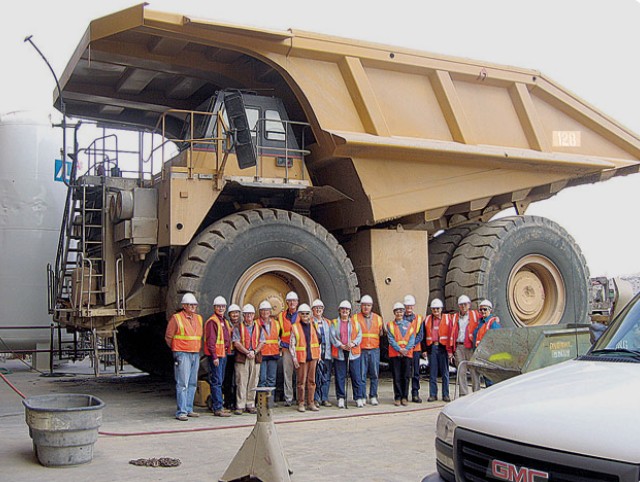
Photo: Ahwatukee Foothills News
- This article is a good reference for more information about Bagdad, Arizona, especially if you think you might want an adventure and make a visit.
- If you’re curious, here are more articles about interesting people, places, and things in Arizona.
Discover more from TheCuriousOnlooker
Subscribe to get the latest posts sent to your email.