
7 Hidden Secrets of Nevada’s National Atomic Testing Museum
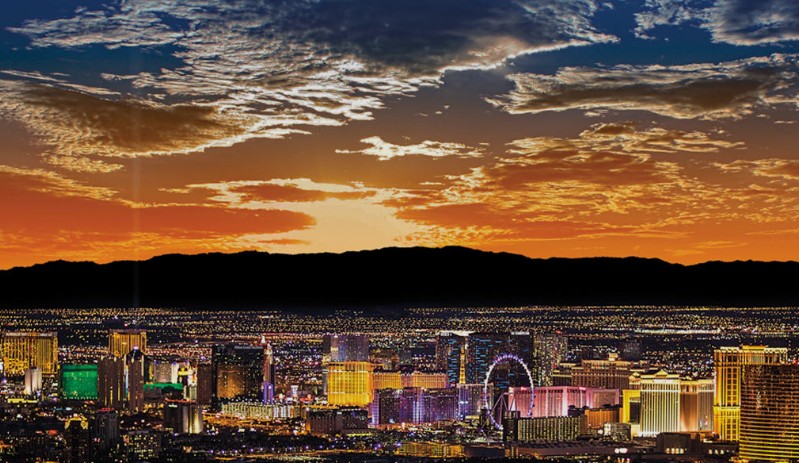
The National Atomic Testing Museum is one of the strangest museums in the American West. It sits just a few miles from the bright lights of the Las Vegas Strip. Inside, visitors find real Geiger counters, atomic bomb casings, underground test equipment, and stories from the Cold War. For decades, southern Nevada was the center of America’s nuclear testing program. The museum tells how atomic science shaped Nevada, changed world history, and even became part of everyday life in Las Vegas.
Table of Contents
The Birth of the Atomic Age in Nevada
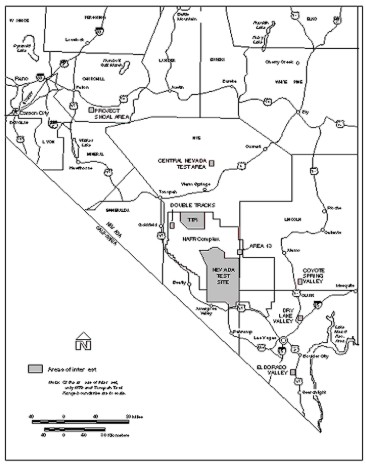
The story begins in 1951. That year, the United States government opened the Nevada Test Site about 65 miles northwest of Las Vegas. Today the area is called the Nevada National Security Site.
The desert was chosen because it was dry, remote, and already controlled by the federal government. Scientists and military leaders believed it was the perfect place to test nuclear weapons during the Cold War.
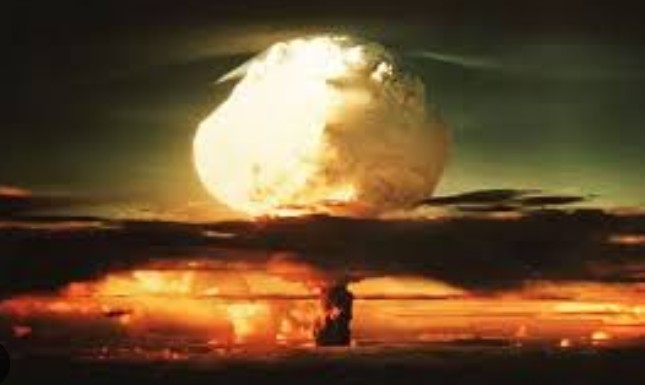
Over the next four decades, more than 900 nuclear tests took place there. Some exploded high above the ground. Others were buried deep underground. The blasts could sometimes be seen from Las Vegas hotels. Tourists even woke up early to watch mushroom clouds rise over the desert horizon.
In the 1950s, Las Vegas businesses leaned into the craze. Casinos held “atomic parties.” Bars served atomic-themed drinks. Beauty contests crowned “Miss Atomic Bomb.” It was one of the strangest tourism trends in American history.
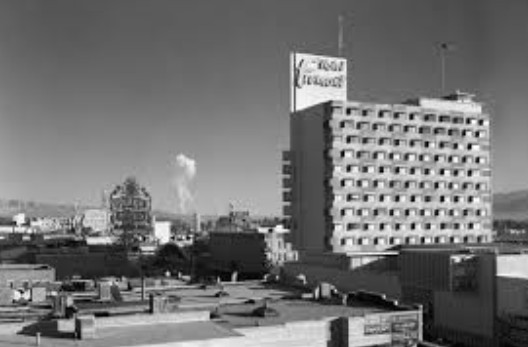
Photo: Las Vegas New Bureau
Inside the National Atomic Testing Museum
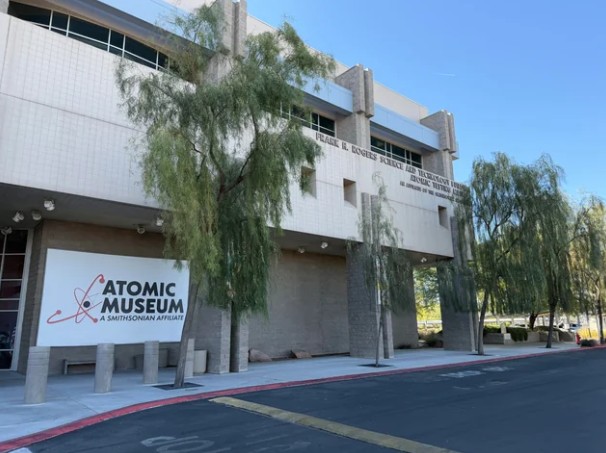
The National Atomic Testing Museum opened in 2005. It is part of the Smithsonian Institution affiliate program. The museum was created to preserve the history of nuclear testing and explain the science behind it.
One of the most popular exhibits is the simulated nuclear test room. Lights flash. The floor shakes. Visitors experience what a real test felt like in the Nevada desert.
The museum also displays equipment used by scientists during the Cold War. Visitors can see radiation detectors, military uniforms, bomb models, and tools used to drill deep underground shafts.
One unusual item is a piece of “Trinitite.” This green glassy material formed during the first atomic bomb test in New Mexico in 1945. Desert sand melted from the extreme heat of the explosion.
Another powerful exhibit focuses on the people who lived “downwind” from the tests. Some families in Nevada, Utah, and Arizona later reported illnesses they believed were connected to radioactive fallout. The museum does not avoid these difficult stories. Instead, it presents many sides of the debate.
Atomic Testing and the Cold War
The National Atomic Testing Museum is really about more than bombs. It is about fear, science, politics, and survival during the Cold War.
After World War II, tensions grew between the United States and the Soviet Union. Both countries raced to build stronger nuclear weapons. Leaders feared that falling behind could threaten national security.
Nevada became one of the most important places in that struggle. Scientists tested weapons designs, military tactics, and underground technology there. Some tests helped engineers learn how to protect missile silos and military bases.
The testing program also brought thousands of jobs to Nevada. Engineers, miners, truck drivers, soldiers, and construction workers all became part of the atomic economy.
Las Vegas itself changed because of this work. The city grew rapidly during the 1950s and 1960s. Many families moved to southern Nevada for stable government jobs connected to the test site.
Strange and Little-Known Facts
The museum is filled with surprising details that many visitors have never heard before.
For example, the largest underground nuclear test in Nevada happened in 1968. The blast was so strong that it created a massive dome in the desert ground above it.
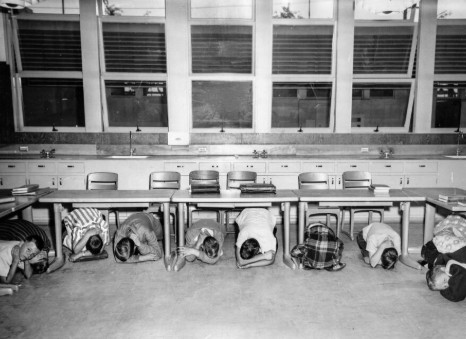
Another strange fact is that some schools once taught children how to “duck and cover” in case of nuclear attack. The museum displays old films and posters from that era.
Visitors also learn about “Operation Plowshare.” This government program explored peaceful uses for nuclear explosions. Scientists imagined using atomic bombs to dig harbors, create canals, and even help mining operations. Most of these ideas never became practical.
One exhibit explains how the test site became important during the space race. Astronauts trained in the Nevada desert because the rocky terrain looked similar to the moon.
How to Get There
The National Atomic Testing Museum is easy to reach by car from most parts of Las Vegas.
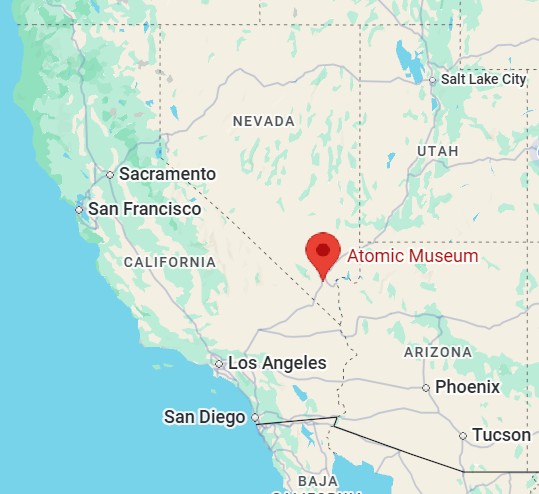
The museum is located on East Flamingo Road, just east of the Las Vegas Strip and near the University of Nevada, Las Vegas campus.
From Interstate 15, drivers can take the Flamingo Road exit and head east for about two miles. Parking is available on site.
Most visitors spend between 1½ and 3 hours exploring the exhibits. The museum is indoors, which makes it a good stop during Nevada’s very hot summer afternoons. To plan a visit, there are more details at the museum website.
Las Vegas, Nevada
Echoes Beneath the Desert
The National Atomic Testing Museum preserves a chapter of Western history that still feels both fascinating and unsettling. The Nevada desert became a testing ground for weapons powerful enough to change the world forever.
Yet the museum is not simply about destruction. It is also about science, courage, fear, and the rapid growth of the American West during the 20th century. Few places capture the strange mix of optimism and anxiety from the Cold War era so clearly.
Today, visitors walk through quiet exhibit halls where the echoes of atomic blasts still seem close. In many ways, the museum helps explain how Nevada became one of the most unusual crossroads in American history.
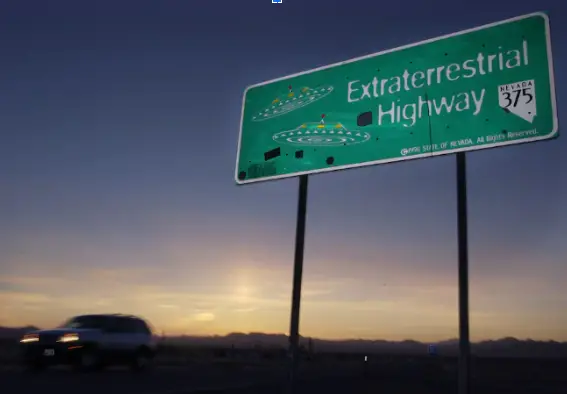
While you’re at the museum and if you have time, you might also consider another attraction near Las Vegas: The Extraterrestrial Highway.
Discover more from TheCuriousOnlooker
Subscribe to get the latest posts sent to your email.

Now I need to visit. Just went to National Museum of Nuclear Science & History in Albuquerque NM – which would be a good compliment to NV.
Appreciate the comment, Paul. I’ve added the National Museum of Nuclear Science & History in Albuquerque to the TCO’s editorial list for a future article! Nice one! 👍
Interesting article. I also enjoyed reading the Extraterrestrial Highway article. I hadn’t had any of these Curious Onlooker articles show up for over a year, so I resubscribed. I can see a whole list of articles I have missed that I am looking forward to reading in the next couple of weeks. 🤗❤️👍
Thanks, Mckell. Kind words. Sorry about having to resubscribe. I made some changes to the overall website recently. Those may have affected the site’s subscriber/mailing list (?). I’m trying to publish new articles about…..once a week now. If you find you’re still not being notified, let me know and I’ll have another look at site settings. – Frans