Who made the first photographs of the American West?
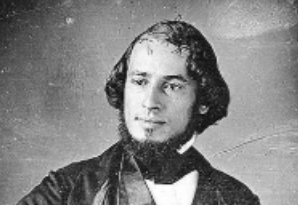
Solomon Nunes Carvalho was a painter and photographer who joined a dangerous trip into the Rocky Mountains in 1853. He carried heavy equipment to make the first photographs of the American West. The journey was led by John C. Fremont. Carvalho faced blizzards, hunger, and freezing cold. Many of his pictures were lost, but his drawings and writings survived. These records still show what the West looked like before railroads and towns changed the land.
Highlights
- Pioneering Western Photography: Sephardic Jewish artist and photographer Solomon Nunes Carvalho created some of the earliest photographic records of the American West using daguerreotypes.
- The 1853 Fremont Expedition: Carvalho was hired by explorer John C. Frémont during his fifth expedition to capture images of potential transcontinental railroad routes through the Rocky Mountains.
- Harsh Survival Conditions: Traversing rugged mountain terrain from St. Louis to Utah, the party faced severe blizzards, starvation, and extreme exhaustion, forcing them to eat their horses to survive.
- Recovery in Utah: Severely weakened by frostbite and illness, Carvalho left the expedition in Parowan, Utah, where local Mormon settlers nursed him back to health.
- Published Legacy: Though many original metal plates were lost to the elements, Carvalho documented the landscapes, Native American tribes, and hardships of the trail in his published memoir, Incidents of Travel and Adventure in the Far West.
Joining the Fremont Expedition
In 1853, Carvalho joined a famous expedition into the American West led by John C. Fremont, a noted explorer and politician. Fremont’s expedition wanted to find a route for a railroad through the Rocky Mountains to California. It was his fifth major expedition. He invited Carvalho to join the expedition as its photographer. Carvalho had little experience with harsh traveling conditions, but accepted the challenge. He was excited to document the journey with his photography skills.
The expedition began in the fall of 1853. The group set out from St. Louis, Missouri, and headed west into the rugged terrain of the Rocky Mountains. Carvalho’s job was to take daguerreotypes to capture the landscape and document the expedition’s progress. His work was essential for promoting the idea of a transcontinental railroad, which was critical for the expansion of the United States. (Construction on the Transcontinental Railroad began in January 1863.)
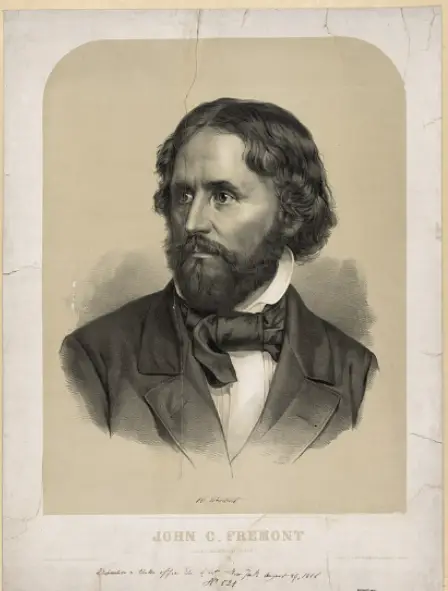
Lithograph – Crehan after Saintin
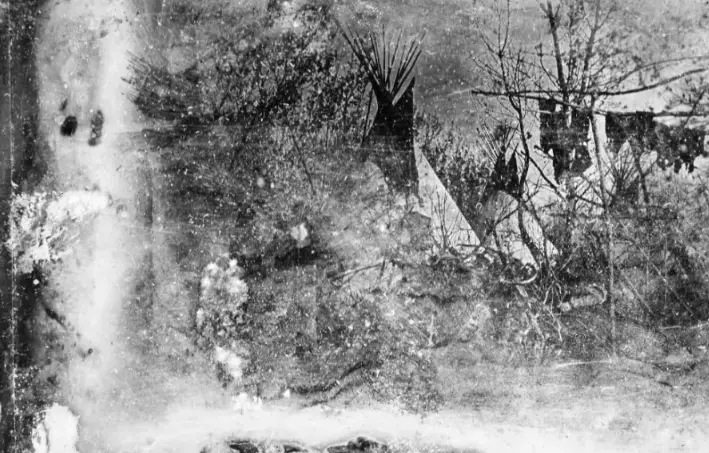
Daguerreotype – Solomon Nunes Carvalho
Hardships on the Mountain Trail
It was not long before the journey turned dangerous. The group encountered extreme weather, including blizzards and freezing temperatures. This made travel very difficult. Carvalho and the others suffered from frostbite, hunger, and exhaustion. At one point, their food supplies ran so low that in order to survive they had to kill and eat their horses.
Images of Native Villages and Landscapes
Despite these challenges, Carvalho took numerous photographs and made sketches of the landscape, Native American tribes, and the expedition members. His work provided the earliest photographic records of the American West. Because photographic technology was still very new, many of Carvalho’s daguerreotypes did not survive the harsh conditions. Still, his sketches and written accounts of the expedition gave valuable insight into the experience.
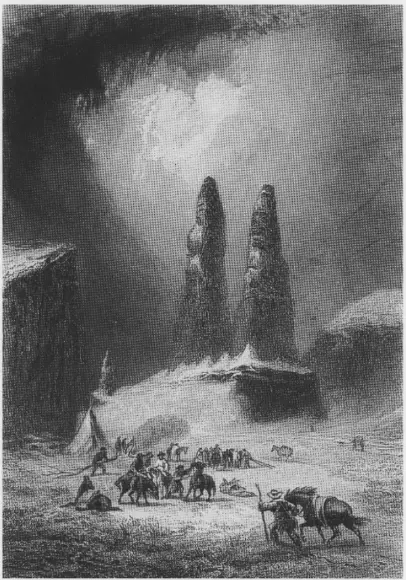
Sketch – Solomon Nunes Carvaldo
Recovery in Utah and the Published Book
After months of struggling through the Rocky Mountains, the expedition eventually reached what is now Utah. Carvalho’s health was severely weakened by the journey. He had to leave the group in Parowan, Utah. He was cared for there by Mormon settlers. He spent several weeks recovering from frostbite and illness before returning to the East Coast.
Though Carvalho did not complete the entire journey, his contributions to the expedition were significant. His accounts of the expedition were later published in a book called “Incidents of Travel and Adventure in the Far West.” The book offered a rare glimpse into the difficulties of exploring the uncharted American West. It also highlighted the beauty of the landscapes and the cultures of Native American tribes.
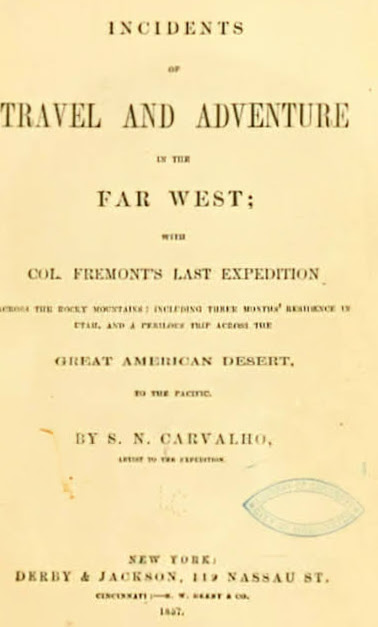
US Library of Congress
A Record That Outlased the Journey
John C. Fremont’s expedition didn’t find the railroad route it was looking for. Still, the expedition did provide valuable information about the American West. Carvalho’s artistic work helped bring the West to life for people on the East Coast. Most Americans at the time had never seen the rugged beauty of that part of the country.
Carvalho’s journey with Fremont remains an important chapter in the history of American exploration. It showed the bravery and endurance of those who ventured into unknown territories. It showed the role photography could play in documenting America’s westward expansion. Solomon Nunes Carvalho was a brave and innovative American explorer.
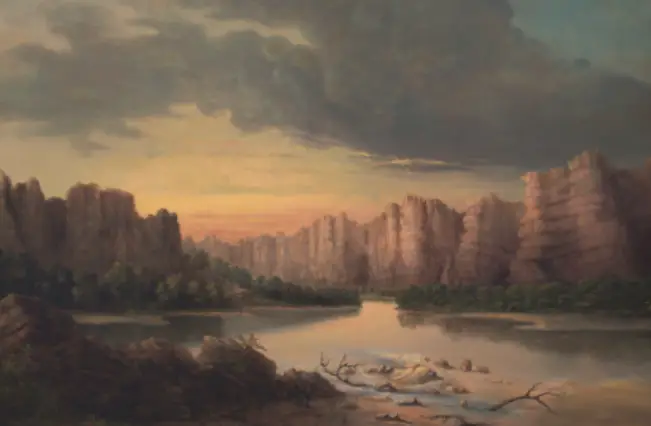
Solomon Nunes Carlvaho
- If you’re curious, here are more interesting articles about interesting people, places, and things in Utah.
Discover more from TheCuriousOnlooker
Subscribe to get the latest posts sent to your email.